
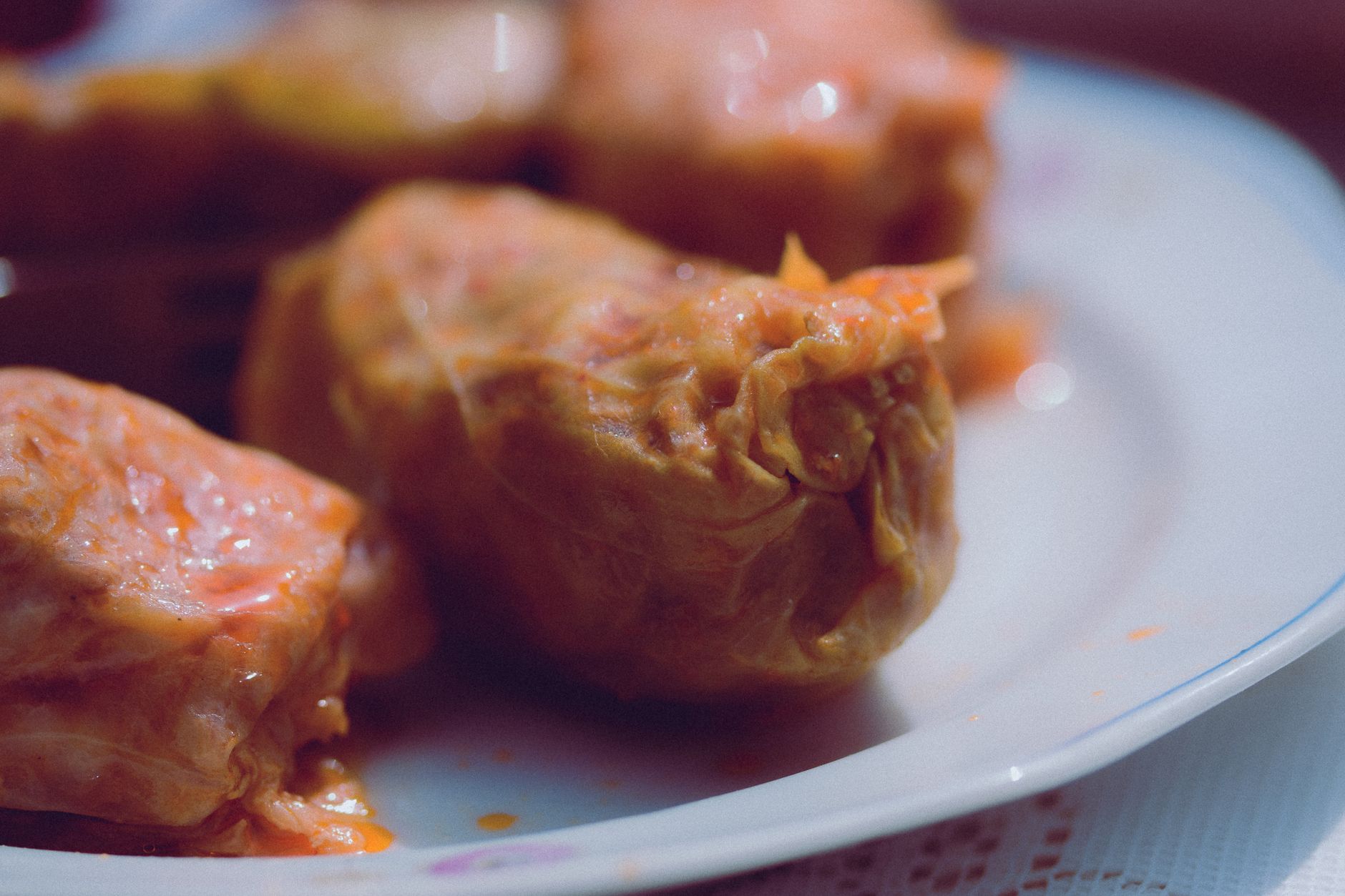
Cabbage is a versatile vegetable that can be enjoyed in a variety of dishes, from salads to soups and stir-fries. However, understanding how to cook cabbage properly is essential to unlocking its delicious potential. This guide will provide detailed information on how long to cook cabbage, along with tips on different cooking methods to ensure you achieve the best flavor and texture from this nutritious vegetable.
Whether you are preparing cabbage for a hearty meal or a simple side dish, knowing the right timing and technique will make a significant difference. Let’s dive into cooking cabbage, covering everything from boiling to sautéing, roasting, and steaming.
How Long Do You Cook Cabbage?
The cooking time for cabbage depends on the method of preparation and the specific type you are using. Generally, fresh cabbage takes about 5 to 10 minutes when boiled or steamed, 8 to 15 minutes when sautéed, and can take 20 to 30 minutes in the oven for roasting. It is important to consider the desired doneness and texture, as cabbage can be cooked to maintain a crisp bite or soften for a more tender finish.
Types of Cabbage
Before diving into cooking techniques, it’s important to understand the different types of cabbage. Each variety has its unique flavor and best cooking methods:
- Green Cabbage: The most common type, known for its crunchy texture and mildly sweet flavor. Great for boiling, sautéing, and slaws.
- Red Cabbage: Slightly sweeter and more robust than green cabbage. Best suited for raw dishes or quick cooking methods.
- Savoy Cabbage: Characterized by its crinkled, tender leaves, it cooks quickly and is excellent for steaming or sautéing.
- Napa Cabbage: Known for its light color and mild flavor. Often used in Asian cuisines and is best for stir-frying or braising.
Cooking Methods and Timing
Boiling Cabbage
Boiling is a straightforward method for cooking cabbage, especially for dishes like boiled cabbage or using it in soups.
- Bring a large pot of salted water to a boil.
- Remove the core from the cabbage and cut it into wedges or slices.
- Add the cabbage to the boiling water.
- Cook for about 5 to 10 minutes, until tender but still slightly crisp.
- Drain the cabbage and consider seasoning with butter or olive oil, salt, and pepper to enhance the flavor.
Note: Avoid overcooking cabbage to prevent it from becoming mushy or losing its vibrant color.
Steaming Cabbage
Steaming is an excellent cooking method to keep the nutrients intact while enhancing the natural flavor of the cabbage.
- Prepare a steaming pot or basket and bring water to a boil.
- Cut the cabbage into wedges or leave it whole, depending on your preference.
- Place the cabbage in the steamer and cover it with a lid.
- Steam for about 5 to 10 minutes, checking for doneness.
Steamed cabbage will retain its vibrant color and provide a tender texture that works well for salads or as a side dish.
Sautéing Cabbage
Sautéing cabbage allows for a quick cooking process that retains crunch and adds a slight caramelization.
- Heat a large pan over medium heat and add oil or butter.
- Slice the cabbage into thin strips or bite-sized pieces.
- Add the cabbage to the hot pan along with seasonings like garlic or onion if desired.
- Sauté for about 8 to 15 minutes, stirring occasionally.
- Cook until the cabbage is tender and slightly browned but still retains some crunch.
Caramelized sautéed cabbage can serve as an excellent accompaniment to meats or can be used as a topping for grain bowls.
Roasting Cabbage
Roasting cabbage creates deep flavors with a crispy exterior and tender inside, making it an ideal side dish.
- Preheat your oven to 400°F (200°C).
- Cut the cabbage into wedges and place them on a baking sheet.
- Drizzle with olive oil and season with salt, pepper, and any desired herbs or spices.
- Roast in the oven for 20 to 30 minutes, flipping halfway through for even cooking.
The cabbage should be golden brown around the edges and tender when pierced with a fork, offering a delightful flavor profile.
Microwaving Cabbage
Microwaving is one of the quickest ways to cook cabbage, especially if you’re short on time.
- Chop cabbage into even-sized pieces.
- Place in a microwave-safe bowl with a bit of water.
- Cover with a microwave-safe lid or plate.
- Cook on high for 3 to 5 minutes, checking for desired tenderness.
The result is tender cabbage perfect for a quick stir-fry or as a side dish.
Common Mistakes When Cooking Cabbage
While cooking cabbage may seem simple, there are a few common pitfalls to avoid:
- Overcooking: Be cautious not to boil cabbage for too long, as it can become mushy and lose its vivid color.
- Neglecting Seasoning: Cabbage can have a somewhat bland flavor on its own, so be sure to season it well with salt, pepper, and other spices to enhance its taste.
- Ignoring Cut Size: The size of the cabbage pieces will affect cooking time, so aim for uniformity to ensure even cooking.
Storage and Reheating
If you have leftover cooked cabbage, it is essential to store it properly to maintain its flavor and texture. Here are some tips:
- Allow cooked cabbage to cool to room temperature before storing it.
- Place it in an airtight container and store in the refrigerator for up to three days.
- If you’d like to freeze cabbage, ensure it is blanched before freezing to preserve its quality.
When reheating, it’s best to gently warm up your cabbage on the stovetop or microwave until just heated through to avoid overcooking it again.
Flavor Pairings and Serving Suggestions
Cabbage’s mild and versatile flavor allows it to pair excellently with various ingredients:
- Meats: Cabbage works well with pork, chicken, and beef. It’s often used in dishes like sausage and cabbage.
- Spices: Cumin, coriander, caraway seeds, and even red pepper flakes can elevate the flavor profile.
- Acids: Vinegar or lemon juice adds brightness and balances the earthiness of the cabbage.
- Cheese: A sprinkle of parmesan or feta adds richness to cabbage dishes.
Practical Tips for Cooking Cabbage
Here are additional tips to enhance your cabbage cooking experience:
- Experiment with different types of cabbage to discover your personal favorites.
- Cabbage can be used as a low-carb wrap alternative for sandwiches or tacos.
- Incorporate cabbage into soups or stews for added depth.
- Consider pickling cabbage for a tangy addition to salads and sandwiches.
Conclusion
Cabbage is a truly adaptable vegetable that can be cooked in numerous ways, each providing a unique flavor experience. Understanding how long to cook cabbage is essential for achieving your desired taste and texture. Whether boiled, steamed, sautéed, roasted, or microwaved, cabbage can serve as a nutritious side or main ingredient in various dishes.
For a delicious boiled cabbage dish, check out our cabbage boil recipe, or explore a savory and satisfying sausage and cabbage recipe to incorporate this versatile vegetable into your meals.