
As people become increasingly aware of the importance of protein in their diets, the question arises: what are foods that are high in protein? Protein is essential for building muscles, repairing tissues, and supporting overall health. Whether you’re an athlete looking to boost your performance, a bodybuilder aiming to increase muscle mass, or someone simply trying to maintain a healthy lifestyle, incorporating high-protein foods into your meals can help you meet your nutritional goals.
This article will explore a variety of protein-rich foods, their benefits, and suggestions on how to include them in your daily meals. From animal sources to plant-based options, we will provide an extensive overview to help you make informed choices.
What Are Foods That Are High in Protein?
Foods high in protein include meats, dairy, legumes, and some grains and seeds. Examples of protein-rich foods are chicken breast, fish, eggs, Greek yogurt, tofu, lentils, and quinoa. Each of these options offers a substantial amount of protein per serving, making them excellent choices for maintaining a balanced diet.
Animal-Based Protein Sources
An array of animal-based foods provide complete proteins, meaning they contain all nine essential amino acids. Here are some of the most notable options:
1. Chicken Breast
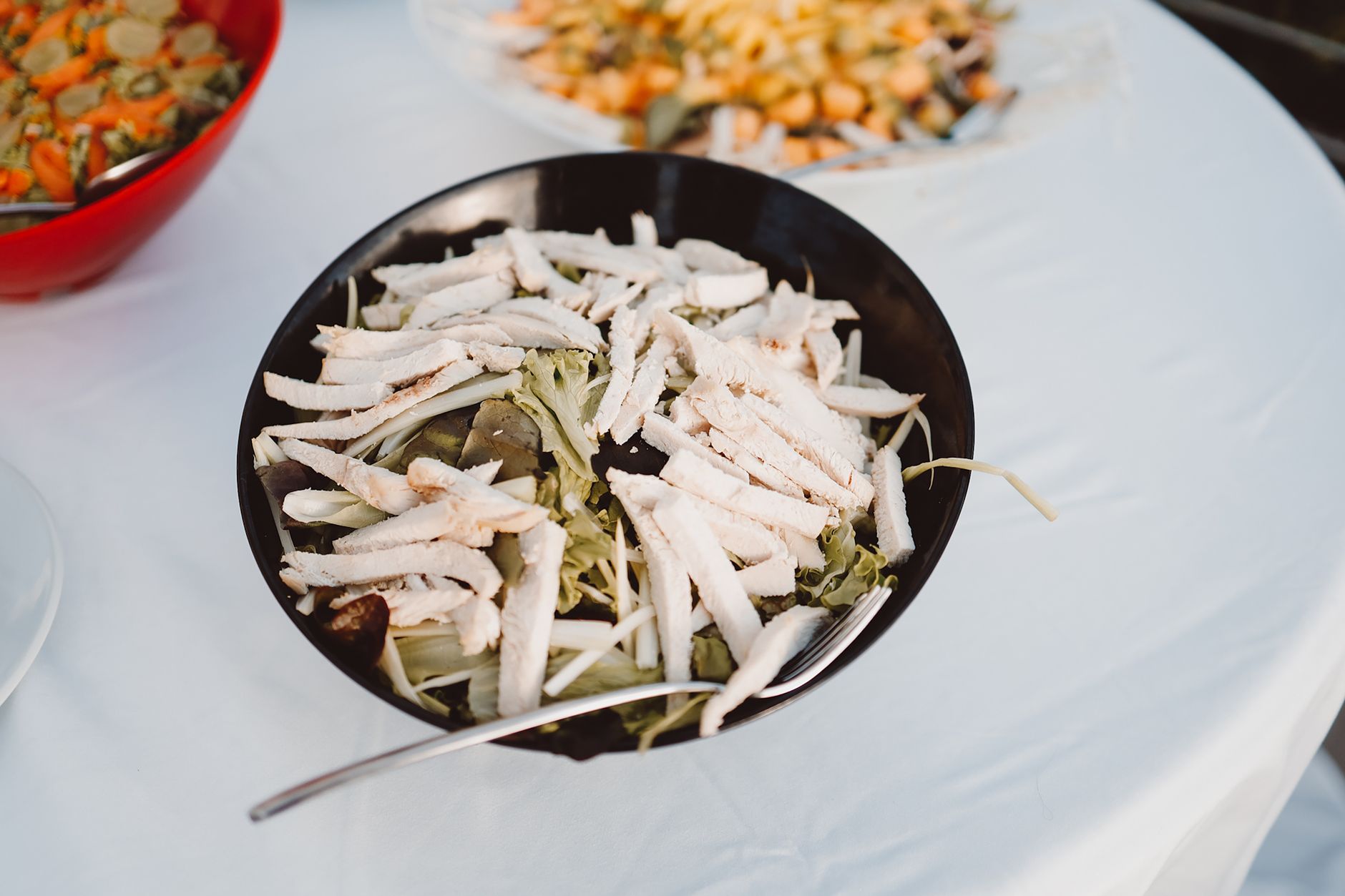
Chicken breast is a popular choice among health enthusiasts due to its high protein content and low-fat levels. A typical 3-ounce (85 grams) serving of cooked chicken breast contains about 26 grams of protein. It is versatile and can be grilled, baked, or stir-fried.
2. Eggs
Eggs are not just protein powerhouses; they also provide various essential nutrients. One large egg contains approximately 6 grams of protein. They can be enjoyed scrambled, boiled, poached, or as an ingredient in countless recipes.
3. Greek Yogurt
Greek yogurt is thicker than regular yogurt and boasts a significant protein concentration. One cup offers around 10 to 20 grams of protein, depending on the brand and preparation. Greek yogurt is great for breakfast, snacks, or as a base for smoothies.
4. Fish
Fish, especially varieties like salmon and tuna, are excellent protein sources. A 3-ounce (85 grams) serving of salmon has about 22 grams of protein, while canned tuna packs even more. Fish is also a good source of omega-3 fatty acids, contributing to heart health.
5. Lean Beef
Lean cuts of beef are rich in protein, with a 3-ounce (85 grams) serving providing around 22 grams. Opt for cuts like sirloin or tenderloin to reduce fat content. Beef can be grilled, roasted, or used in stews.
6. Pork Tenderloin
Pork tenderloin is another lean source of protein, containing about 22 grams per 3-ounce (85 grams) serving. It can be marinated or seasoned and cooked in various ways, making it a flavorful option for dinner.
Dairy Products
Dairy items are rich in protein, calcium, and other nutrients. Here are several dairy products to consider:
1. Cottage Cheese
Cottage cheese is low in fat and high in protein. A one-cup (226 grams) serving contains approximately 28 grams of protein. It can be consumed on its own or mixed with fruits, nuts, or grains.
2. Cheese
Cheese varieties such as Parmesan and Gouda also contain substantial protein. One ounce (28 grams) of Parmesan cheese has about 8 grams of protein. Cheese can be added to salads, sandwiches, and pasta dishes.
3. Milk
One cup (240 milliliters) of cow’s milk contains about 8 grams of protein. Choose low-fat or skim versions for a healthier option. Milk can be consumed as a beverage, used in cooking, or as a base for smoothies.
Plant-Based Protein Sources
For those who prefer plant-based diets or are looking to reduce their meat consumption, plenty of options provide ample protein. Here is a selection of protein-rich plant foods:
1. Lentils
Lentils are a fantastic source of plant-based protein, delivering about 18 grams per cooked cup (240 milliliters). They are high in fiber and great for soups, stews, and salads.
2. Chickpeas
Chickpeas, or garbanzo beans, provide around 15 grams of protein per cooked cup (240 milliliters). They can be used in salads, stir-fries, or blended into hummus.
3. Quinoa
Quinoa is a complete protein grain offering approximately 8 grams of protein per cooked cup (240 milliliters). It’s a delicious base for salads or bowls and makes an excellent side dish.
4. Tofu
Tofu, made from soybeans, contains around 10 grams of protein per half-cup (126 grams). It absorbs flavors well and can be grilled, sautéed, or used in stir-fries and soups.
5. Edamame
Edamame is young soybeans that provide about 17 grams of protein per cooked cup (240 milliliters). They can be enjoyed as a snack, added to salads, or incorporated into various Asian dishes.
Nuts and Seeds
Nuts and seeds are nutrient-dense and provide healthy fats, fiber, and protein. Here are a few notable mentions:
1. Almonds
Almonds contain about 6 grams of protein per ounce (28 grams). They make for a great snack on their own, or you can add them to smoothies, salads, or oatmeal.
2. Chia Seeds
Chia seeds are packed with protein, offering about 5 grams per ounce (28 grams). They can be used in smoothies, puddings, or as an egg substitute in baking.
3. Pumpkin Seeds
Pumpkin seeds are rich in protein, providing about 7 grams per ounce (28 grams). They can be consumed as a snack, sprinkled on salads, or added to oatmeal.
Incorporating High-Protein Foods Into Your Diet
Now that we’ve explored various high-protein foods, it’s crucial to discuss how to incorporate these foods into your meals. Here are some practical meal ideas and tips:
Breakfast Options
- Make a protein-packed smoothie with Greek yogurt, spinach, and a scoop of protein powder.
- Prepare an omelet filled with vegetables and cheese.
- Enjoy overnight oats mixed with almond butter and topped with nuts or seeds.
Lunch Ideas
- Fill a whole-grain wrap with grilled chicken, avocado, and leafy greens.
- Make a quinoa salad with chickpeas, vegetables, and feta cheese.
- Start with a hearty lentil soup or chili as your meal base.
Dinner Suggestions
- Grill or bake salmon and serve it with steamed broccoli and quinoa.
- Prepare a stir-fry with tofu, a mix of vegetables, and brown rice.
- Cook a pork tenderloin seasoned with herbs and serve it alongside roasted sweet potatoes.
Snacks and Treats
- Create a trail mix with almonds, dried fruit, and pumpkin seeds.
- Dip fruit slices in cottage cheese for a protein-rich snack.
- Bake protein cookies using protein powder, oats, and nut butter for a sweet treat without guilt!
Common Mistakes and Troubleshooting
When focusing on protein intake, it’s essential to avoid common pitfalls. Here are some mistakes to watch out for and tips to troubleshoot:
Avoiding Processed High-Protein Foods
While it may be tempting to choose processed protein bars or shakes, many contain added sugars and unhealthy additives. Opt for whole food sources whenever possible for better nutritional value.
Balancing Macronutrients
Focusing solely on protein can lead to an unbalanced diet. Ensure that you include adequate amounts of carbohydrates and healthy fats for a well-rounded nutritional profile.
Not Eating Enough Fiber
High-protein diets can sometimes lack fiber, especially if relying heavily on animal sources. Incorporate fruits, vegetables, and whole grains to maintain digestive health.
Conclusion
Identifying high-protein foods is a great step towards improving your diet and overall health. From meats and dairy to plant-based options like legumes and grains, there are plenty of ways to increase your protein intake. Consider planning your meals around these foods to reap their benefits, keeping in mind the importance of balance in your diet.
For more delicious ideas, explore our recipes for protein brownies and protein cookies. These options will satisfy your sweet tooth while boosting your protein in delicious ways!