
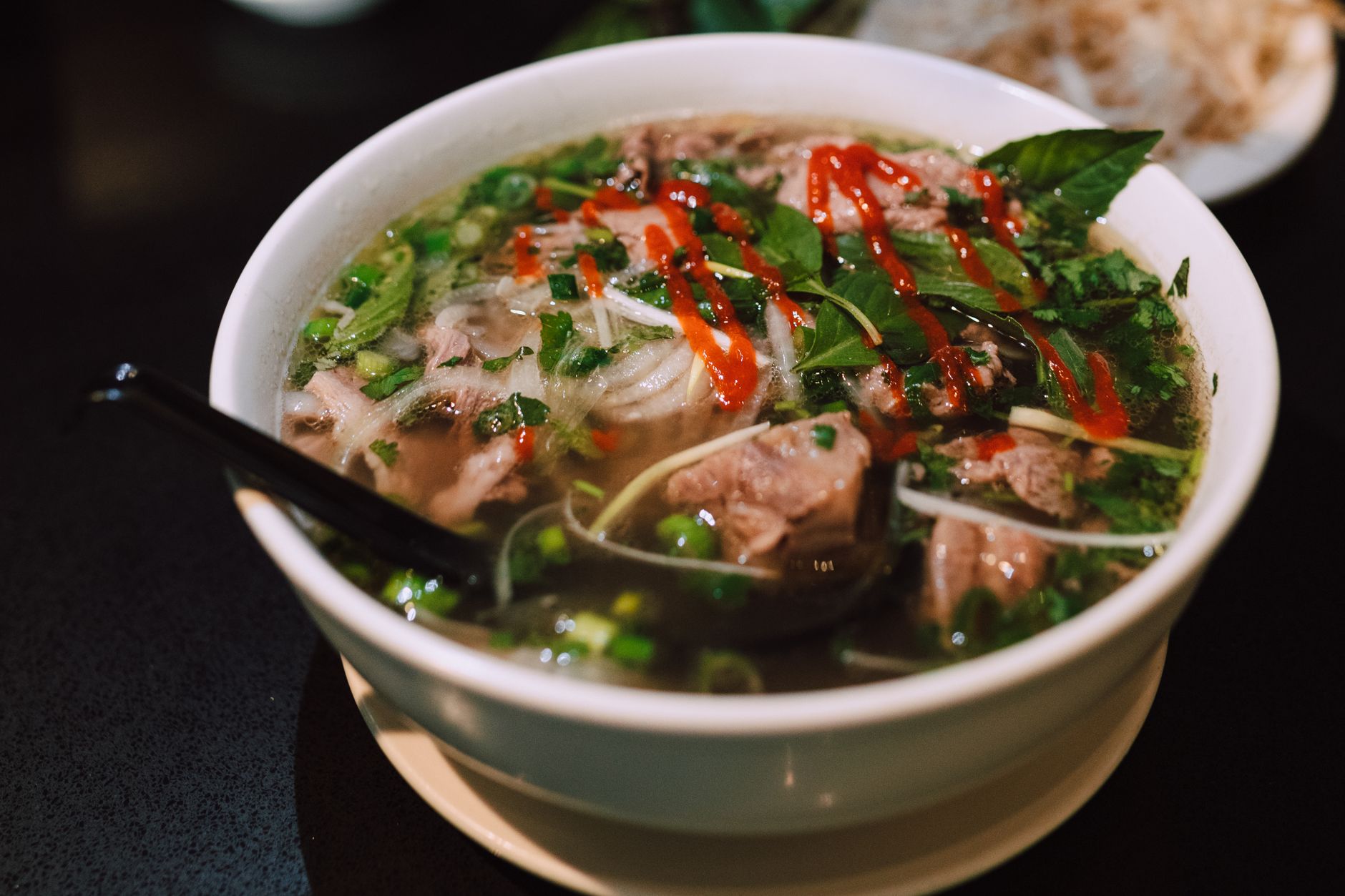
Pho, a beloved Vietnamese noodle soup, is renowned for its rich, aromatic broth and flavorful ingredients. Many wonder about its health benefits and nutritional value, as it’s often praised for being both delicious and comforting.
In this article, we will explore whether pho is a healthy choice by examining its ingredients, portion sizes, and potential considerations for a balanced diet. We’ll delve into its nutritional components and how they can fit into different dietary preferences.
Is Pho Healthy?
Pho can be a healthy option when made with wholesome ingredients and consumed in moderation. Its components, including broth, protein, and fresh herbs, contribute to its nutritional profile, which can offer various health benefits. However, factors such as portion sizes, added ingredients, and preparation methods influence its overall healthiness.
Understanding Pho
Pho is traditionally made with a savory broth, rice noodles (bánh phở), meat (commonly beef or chicken), and a variety of fresh herbs and vegetables. It’s often garnished with bean sprouts, lime, jalapeños, and herbs like basil, cilantro, and mint. The combination of these elements contributes to a spectrum of flavors and textures.
Nutritional Components of Pho
To assess whether pho is a healthy meal option, we need to examine its ingredients and their nutritional values.
1. Broth
The broth serves as the foundation of pho and is typically made by simmering meat bones, such as beef or chicken, with various spices. This results in a flavorful liquid rich in nutrients and minerals.
- Hydration: The broth contributes to hydration, especially when consumed hot.
- Vitamins and Minerals: Bone broth contains minerals like calcium and magnesium, along with collagen, which is beneficial for joint health.
- Low in Calories: Broth-based soups are often low in calories compared to cream-based ones, making them a great choice for those looking to maintain a healthy weight.
2. Noodles
The rice noodles used in pho are primarily made from rice flour and water. They are gluten-free and provide carbohydrates as a vital energy source.
- Carbohydrates: Rice noodles are a source of carbohydrates, essential for energy, especially for an active lifestyle.
- Low in Fiber: While the noodles are low in fiber compared to whole grains, they can still provide a quick source of energy.
- Portion Control: It’s important to monitor noodle portions to manage carbohydrate intake.
3. Protein
Protein options in pho often include slices of beef, chicken, or tofu for a vegetarian variant. Protein is crucial for muscle repair and overall health.
- Lean Proteins: Opting for lean cuts of beef or skinless chicken can reduce saturated fat intake.
- Vegetarian Options: Tofu or mushrooms provide plant-based protein alternatives for vegetarians.
- Protein Needs: Protein content in pho can help meet daily dietary needs, especially when combined with other ingredients.
4. Herbs and Vegetables
Fresh herbs and vegetables play a significant role in pho. The common additions help enhance flavor and nutritional value.
- Vitamins: Herbs like basil and cilantro provide vitamins A and C, along with antioxidants.
- Low-Calorie Fillers: Adding bean sprouts and jalapeños increases texture and volume without adding many calories.
- Flavor Enhancement: Fresh herbs enhance flavor, allowing for less reliance on salt or fat for taste, which is beneficial for heart health.
Portion Sizes and Serving Suggestions
One of the most important aspects influencing the healthiness of pho is portion size. A standard serving of pho usually ranges from 2 to 4 cups, depending on personal appetite and dietary preferences. Here’s a general guideline:
- For a main meal, aim for a serving of 2-3 cups of pho, ensuring a balance of broth, noodles, and protein.
- Consider pairing pho with a side salad or steamed vegetables to increase fiber content and promote fullness.
- Limiting high-calorie additives like fried shallots and sauces can help maintain a healthier balance in your meal.
Considerations for Pho Lovers
While pho has numerous health benefits, certain considerations should be noted to maximize its healthiness:
1. Sodium Content
Many pho broths, especially commercial ones, can be high in sodium. Excess sodium consumption is linked to high blood pressure and other health risks. Here are some tips:
- Look for low-sodium options when buying broth or consider making homemade broth to control the salt content.
- Use fresh herbs and spices to flavor your pho rather than relying solely on salt.
2. Caloric Awareness
While pho can be a low-calorie option, some variations can be calorie-dense, especially those with fatty cuts of meat or added oils. Keep the following in mind:
- Choose lean meats to keep calories in check.
- Be mindful of portion sizes, particularly with noodles, as they can significantly contribute to calorie count.
3. Dietary Restrictions
For individuals with specific dietary restrictions such as gluten intolerance or lactose intolerance, pho can still be made to accommodate their needs:
- Use gluten-free rice noodles for those with gluten sensitivities.
- Vegetable broth can be a suitable alternative for vegetarians or those avoiding meat.
Homemade vs. Restaurant Pho
When considering the healthiness of pho, the source—homemade or from a restaurant—plays a crucial role. Here’s how they differ:
1. Homemade Pho
Making pho at home allows for complete control over ingredients, broth preparation, and seasoning. Benefits include:
- Customization: You can choose quality ingredients that align with your health goals.
- Control Over Sodium: Homemade broths can be made with minimal sodium and unhealthy fats.
- Increased Nutrient Density: Adding extra fresh vegetables, herbs, or protein can enhance the nutritional profile.
2. Restaurant Pho
Restaurant pho is often convenient and delicious but may vary significantly in healthiness. Consider these factors:
- Broth Quality: Many restaurants use instant flavoring powders that can be high in sodium.
- Portion Sizes: Restaurant serving sizes may be larger or include more calories through added ingredients.
- Hidden Additives: Sauces and toppings may contain sugars or unhealthy fats that contribute to overall caloric intake.
Practical Tips for Enjoying Pho Healthily
To fully enjoy pho while prioritizing health, consider these practical suggestions:
1. Opt for Lean Proteins
Choose lean cuts of beef, chicken, or tofu to keep fat content lower while still enjoying a filling protein source.
2. Load Up on Vegetables
Add extra vegetables such as bok choy, mushrooms, or spinach to increase fiber and nutrients while adding volume.
3. Control the Noodles
Be mindful of noodle portions; you can often reduce the amount and replace it with more broth and veggies to keep the meal lighter.
4. Flavor Wisely
Utilize fresh herbs and spices to enhance flavors without resorting to excessive salt or high-calorie toppings.
5. Mindful Eating
Take time to enjoy your pho, savoring each bite and allowing your body to register fullness, which can help prevent overeating.
How to Make Healthier Pho at Home
Making pho at home allows for a personalized and healthier experience. Here’s a brief overview of how you can prepare a more wholesome version:
- Brew Your Broth: Simmer bones (or vegetables, for a vegetarian option) with spices like star anise, cinnamon, ginger, and garlic for at least 6-8 hours to extract flavor and nutrients.
- Select Noodles: Use rice noodles in moderation or explore alternatives like zucchini noodles for added nutrients.
- Pick Your Protein: Use lean cuts of meat or plant-based options such as tofu, ensuring balance in every bowl.
- Add Fresh Herbs: Go for an array of fresh herbs and vegetables to maximize flavor and nutrition; think basil, cilantro, bean sprouts, and lime.
- Serve and Enjoy: Assemble your pho with a well-crafted broth, noodles, protein, and a generous heap of fresh garnishes.
Storage and Reheating Pho
If you have leftovers, proper storage and reheating methods are important to maintain food safety and quality:
- Storage: Store broth and noodles separately in airtight containers in the refrigerator for up to 3 days.
- Reheating: Reheat the broth to a rolling boil before adding the noodles and cooked protein.
- Additional Fresh Ingredients: Consider adding fresh herbs and vegetables after reheating, as they retain their texture and flavor better.
With thoughtful ingredient choices and preparation methods, pho can be a nutritious meal that satisfies your cravings while supporting a healthy lifestyle. Understanding its components enables you to appreciate its value and tailor it to your dietary goals.
Explore related recipes and tips that can complement your culinary journey. Check out how many calories are in pho or discover what pho tastes like for deeper insights.