
Zinc is an essential mineral that plays a crucial role in various bodily functions, including immune response, wound healing, and protein synthesis. It’s vital to include zinc-rich foods in your diet to ensure you meet your nutritional needs. This guide explores the best foods that give you zinc along with their nutritional facts and serving sizes.
Whether you’re a meat lover, a vegetarian, or simply looking to diversify your meals, you’ll find numerous options to boost your zinc intake. This article breaks down zinc-rich foods across different categories for easy meal planning.
What Foods Give You Zinc?
The main foods that provide substantial amounts of zinc include meats, seafood, dairy products, legumes, seeds, nuts, whole grains, and fortified cereals. Understanding the quantity of zinc in each food source helps you incorporate them into your meals efficiently.
Animal-Based Sources of Zinc
Animal-based foods tend to be the richest sources of zinc due to the high bioavailability of this crucial nutrient in these products. Here are some of the best options:
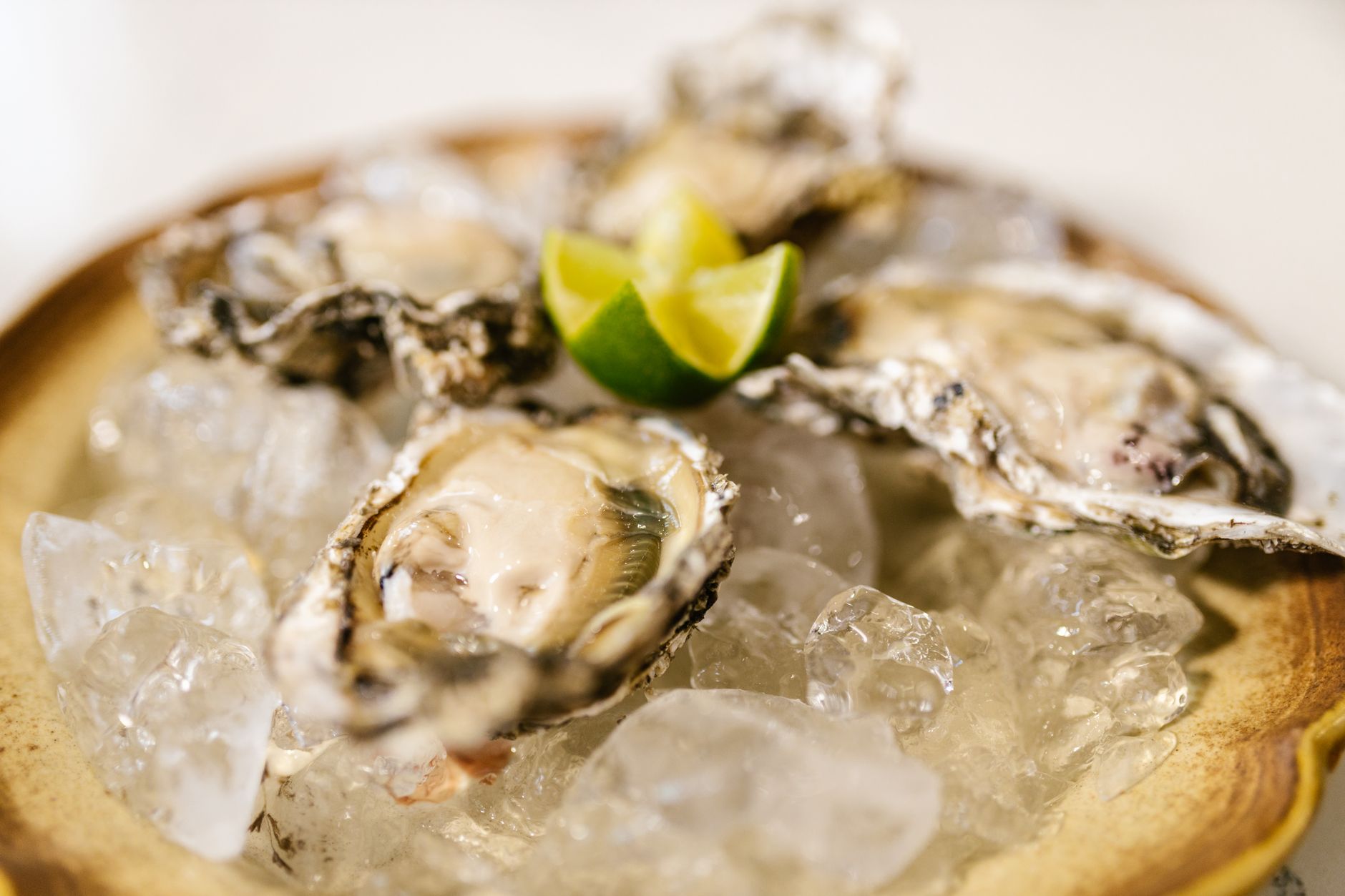
1. Oysters
Oysters are one of the best sources of zinc, providing significantly higher amounts than most foods.
- Serving Size: 3 ounces
- Zinc Content: Approximately 74 mg
They have a unique briny flavor and a tender texture, making them enjoyable raw or cooked in various dishes.
2. Beef
Beef is another excellent source of zinc, particularly cuts like chuck and shank.
- Serving Size: 3 ounces
- Zinc Content: Approximately 5.3 mg
Rich in flavor and protein, beef can be grilled, roasted, or incorporated into stews.
3. Pork
Pork also offers a good amount of zinc and can be enjoyed in various forms, from chops to tenderloin.
- Serving Size: 3 ounces
- Zinc Content: Approximately 2.9 mg
The meat is versatile, making it suitable for a range of dishes, including stir-fries and roasts.
4. Chicken
Chicken, specifically dark meat, contains zinc and can be a staple in many diets.
- Serving Size: 3 ounces
- Zinc Content: Approximately 2.4 mg
It’s mild in flavor and works well in numerous recipes, from salads to casseroles.
5. Dairy Products
Dairy products such as cheese and yogurt also provide zinc. They are beneficial for those who enjoy creamy and rich foods.
- Cheddar Cheese (1.5 ounces): 1.2 mg
- Yogurt (1 cup): Approximately 1.1 mg
These can be consumed on their own or used as toppings in various meals, adding both flavor and creaminess.
Plant-Based Sources of Zinc
For vegetarians and vegans, there are plenty of plant-based sources of zinc. While zinc from plant foods is less bioavailable than from animal sources, they can still contribute significantly to your daily intake.
1. Legumes
Legumes such as chickpeas, lentils, and beans are rich in zinc and provide dietary fiber as well.
- Chickpeas (1 cup cooked): Approximately 2.5 mg
- Lentils (1 cup cooked): Approximately 2.4 mg
- Black Beans (1 cup cooked): Approximately 1.9 mg
Add them to salads, soups, or stews for a nutritious boost.
2. Nuts and Seeds
Nuts and seeds offer healthy fats along with zinc. Some of the richest sources include:
- Pumpkin Seeds (1 ounce): Approximately 2.2 mg
- Caspian Nuts (1 ounce): Approximately 1.6 mg
- Almonds (1 ounce): Approximately 0.9 mg
These can be eaten as snacks or used in baking and cooking.
3. Whole Grains
Whole grains can provide zinc, especially when incorporated into a balanced diet.
- Quinoa (1 cup cooked): Approximately 2.0 mg
- Oats (1 cup cooked): Approximately 1.0 mg
Try whole grain bread or oatmeal for breakfast, or use quinoa as a base for salads.
4. Fortified Cereals
Many breakfast cereals are fortified with zinc, making them an easy way to increase your intake.
- Fortified Breakfast Cereal (1 cup): Up to 25% of the Daily Value (DV)
Check labels to find cereals high in zinc and enjoy them with milk or yogurt.
Other Food Sources of Zinc
In addition to the above, there are various other foods that contribute to zinc intake.
1. Shellfish
Other shellfish like crab and lobster also contain significant amounts of zinc.
- King Crab (3 ounces): Approximately 6.5 mg
- Lobster (3 ounces): Approximately 3.4 mg
They can be steamed, boiled, or grilled, making them delicious additions to any seafood platter.
2. Vegetables
While most vegetables contain lower amounts of zinc, some contribute to overall intake:
- Spinach (1 cup cooked): Approximately 1.4 mg
- Mushrooms (1 cup cooked): Approximately 0.6 mg
Incorporating these into salads, stir-fries, or pastas adds not only zinc but also vitamins and minerals.
Understanding Zinc absorption
When planning your zinc intake, it’s essential to recognize that the body absorbs zinc more effectively from animal sources than plant-based sources due to the presence of phytates in legumes and grains, which can hinder absorption. Here are a few tips to enhance zinc absorption:
- Combine zinc-rich foods with those high in protein.
- Avoid excessive fiber intake from grains and legumes if focusing on zinc absorption.
- Consider soaking or fermenting beans and grains to reduce phytate levels.
- Consider balancing meals with vitamin C-rich foods, which can enhance mineral absorption.
Daily Zinc Requirements
Understanding your daily zinc requirements can help you plan your meals accordingly. The recommended dietary allowance (RDA) for zinc varies by age, gender, and life stage:
| Age/Gender | Daily Zinc Requirement (mg) |
|---|---|
| Adult Men | 11 mg |
| Adult Women | 8 mg |
| Pregnant Women | 11 mg |
| Lactating Women | 12 mg |
By incorporating a variety of zinc-rich foods into your diet, you can easily meet these requirements.
Meal Planning with Zinc-Rich Foods
Including zinc-rich foods in your weekly meal plan can be straightforward. Here’s a sample meal plan incorporating several sources of zinc.
Sample Meal Plan
Breakfast
- Oatmeal topped with pumpkin seeds and almonds
- Fortified cereal with milk
Lunch
- Quinoa salad including chickpeas, spinach, and a vinaigrette
- Grilled chicken with a side of mixed greens
Dinner
- Beef stir-fry with vegetables
- Oysters or crab on the side
Snacks
- Yogurt with walnuts
- Cheese and crackers
This plan not only provides a rich source of zinc but also maintains a well-rounded nutrition profile.
Common Mistakes to Avoid
When incorporating zinc-rich foods into your meals, keep the following in mind:
- Relying solely on plant sources for zinc without proper combinations to enhance absorption.
- Overlooking portions—eating large quantities of low-zinc foods can still lead to insufficient intake.
- Ignoring dietary balance; while zinc is critical, a well-rounded diet is essential for overall health.
Final Thoughts
Ensuring adequate zinc intake through a variety of foods can help support your overall health and wellbeing. With multiple options available, it’s easy to plan meals that include this essential mineral. Incorporate both animal and plant sources into your meals to optimize zinc absorption and enjoy a diverse diet.
If you’re looking for more recipes or information on nutritious ingredients, explore our chia pudding recipe or find out what walnuts are good for. Expanding your knowledge of food can enhance your cooking and meal planning significantly.