
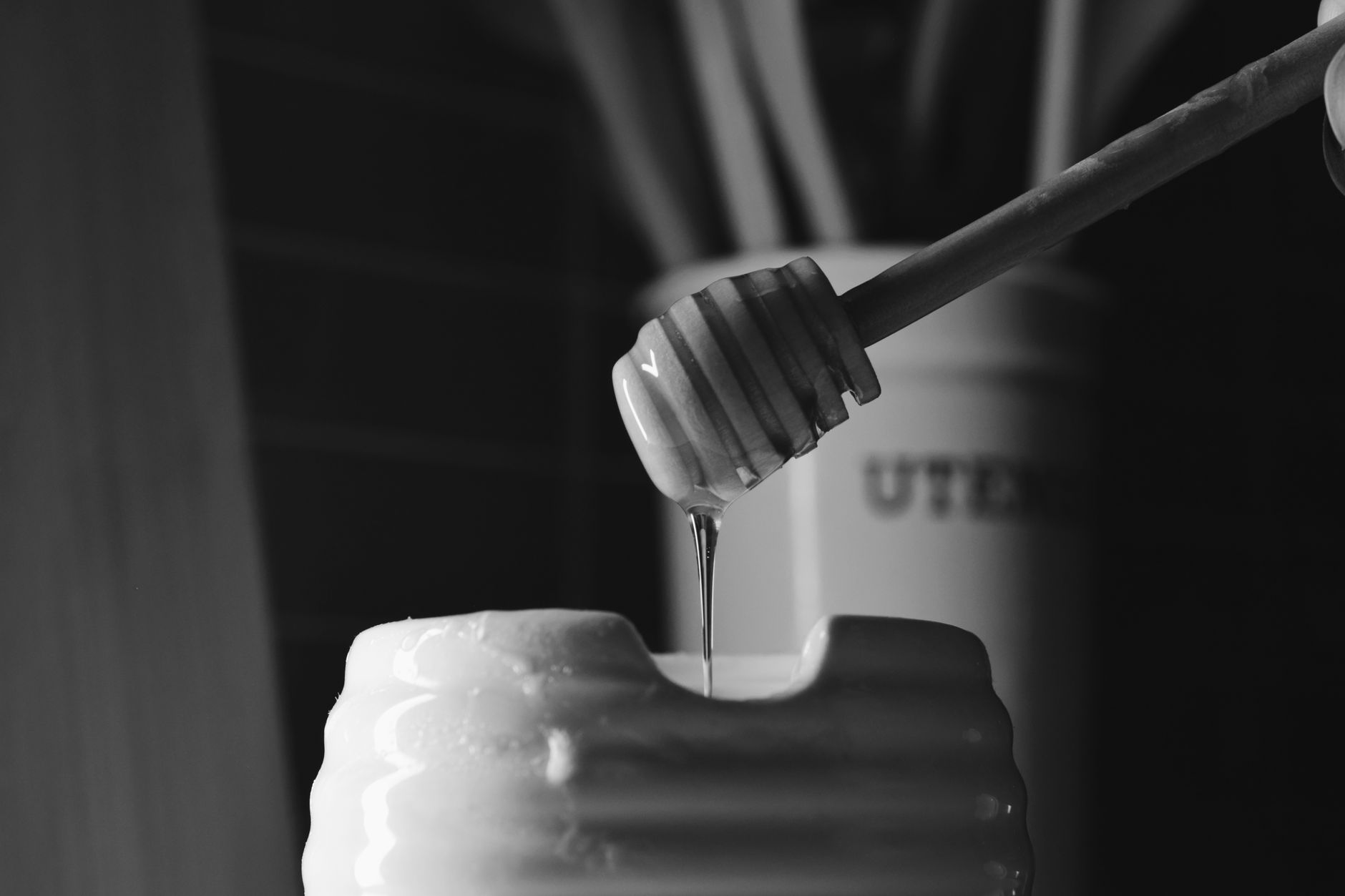
Honey is a beloved ingredient known for its sweet flavor and versatility in cooking and baking. However, if you’re wondering how much honey costs, you’ll find that prices can vary based on several factors like the type, origin, and packaging. This guide offers insights into the costs associated with honey, along with tips for selecting and using this sweet nectar in your kitchen.
This article explores different types of honey available on the market, provides average pricing information, and offers insights on how to make the most of your honey purchases. Additionally, you’ll discover some practical tips for incorporating honey into your culinary creations.
How Much Is Honey?
The price of honey typically ranges from $3 to $10 per pound depending on the type, source, and whether it’s raw or processed. Organic and specialty honeys like Manuka can be significantly higher, often exceeding $30 per pound. Understanding the market and what affects prices will help you make informed decisions when purchasing honey.
Factors Influencing Honey Prices
Several factors contribute to the price variations in honey, including:
- Type of Honey: Different varieties like wildflower, clover, and Manuka vary in flavor, texture, and price.
- Source: Locally sourced honey may be less expensive than imported varieties due to shipping costs.
- Processing: Raw honey, which is minimally processed and retains more of its natural properties, often costs more than filtered honey.
- Organic Certification: Organic honey is produced without synthetic pesticides and fertilizers, which can increase its market price.
- Packaging: Honey sold in larger quantities or in specialty jars may also come with a higher price tag.
Types of Honey and Their Prices
Honey comes in various types, each with its unique flavor profile and price range. Here are a few common varieties:
1. Clover Honey
Clover honey is light in flavor and color, making it a popular choice for everyday use. Prices typically range from $3 to $8 per pound.
2. Wildflower Honey
Wildflower honey can vary significantly in taste depending on the flowers visited by bees. The price usually falls between $4 and $10 per pound.
3. Manuka Honey
Manuka honey, produced in New Zealand from the Manuka tree, is known for its health benefits. It is among the most expensive options, often ranging from $30 to $70 per pound.
4. Buckwheat Honey
Buckwheat honey is dark, robust, and rich in antioxidants. Its price typically ranges from $5 to $12 per pound, depending on availability.
5. Orange Blossom Honey
With its sweet citrus notes, orange blossom honey is a fragrant choice. Prices usually range from $5 to $15 per pound.
Where to Buy Honey
Buying honey can be done at various places, each offering different price points and types. Here’s a breakdown of some shopping avenues:
1. Grocery Stores
Most grocery stores have a honey aisle with several options, ranging from budget-friendly to premium types. It’s important to check labels for quality indicators like raw or organic certifications.
2. Farmers’ Markets
For local flavors and unique varieties, farmers’ markets provide an excellent opportunity to buy honey directly from beekeepers. Prices may vary but can often be more reasonable than retail establishments.
3. Online Retailers
Buying honey online can give consumers access to a wide variety of products, including specialty honeys that may not be available locally. Keep an eye on shipping costs, as they can add to the overall price.
4. Health Food Stores
Health food stores often carry organic and raw honey products. While prices might be higher, you can expect lower contamination levels and better sourcing practices.
Ordering Tips
When purchasing honey, consider these tips to ensure you get the best product for your needs:
- Check the Source: Look for details on the label indicating where the honey was sourced. Local honey supports local beekeepers and may offer health benefits, particularly for allergies.
- Look for Raw Honey: If you want to maximize the health benefits and flavor, choose raw honey, which contains beneficial enzymes.
- Watch for Additives: Some bottles may contain additives like high fructose corn syrup or other sweeteners. Check ingredients to make sure you’re buying pure honey.
- Sample Unique Varieties: If you find a farmers’ market or specialty store, take the opportunity to sample before purchasing to find your preferred flavor.
- Consider Buying in Bulk: If you use honey frequently, buying in larger quantities can save money in the long run, even though the initial cost may be higher.
Using Honey in Cooking and Baking
Honey is a versatile ingredient that can elevate various dishes, from savory meals to sweet treats. Here are some ideas for using honey in your cooking:
1. Sweetening Drinks
Honey can serve as a natural sweetener for teas, coffees, and smoothies. It dissolves well in warm liquids, making it an excellent choice for beverages.
2. Marinades and Glazes
Use honey as a base for marinades to add sweetness and depth to meats and vegetables. A simple honey glaze can enhance roasted meats and vegetables.
3. Baking
Honey can replace sugar in many baking recipes. It adds moisture and a unique flavor to cookies, cakes, and breads. For every cup of sugar replaced, use about ¾ cup of honey and reduce the liquid in the recipe slightly.
4. Salad Dressings
Honey can be whipped into salad dressings for a touch of sweetness. Combine it with vinegar, olive oil, and herbs for a balanced, flavorful dressing.
5. Health-Packed Smoothies
For a nutritious boost, add honey to smoothies. Blend it with fruits, yogurt, and greens for a healthy treat.
Practical Substitutions for Honey
If you find yourself out of honey or need a substitute for dietary reasons, here are some alternatives:
1. Agave Nectar
Agave nectar has a similar sweetness level but is thinner in consistency. Use it in a 1:1 ratio as a substitute for honey.
2. Maple Syrup
Maple syrup offers a unique flavor that can complement many recipes. Substitute it in a 1:1 ratio, but keep in mind it may alter the taste slightly.
3. Simple Syrup
Simple syrup can replace honey in beverages. Mix equal parts sugar and water, boiling until the sugar dissolves before cooling.
4. Brown Rice Syrup
This syrup is less sweet than honey. Use 1 ½ times the amount of brown rice syrup as a substitute, but be aware it has a different flavor profile.
Common Mistakes When Using Honey
Using honey in cooking and baking can be straightforward, but here are some common pitfalls to avoid:
1. Overheating
Heating honey above 140°F can destroy its beneficial properties and flavor. Be cautious when incorporating it into hot sauces or baked goods.
2. Not Adjusting Liquid Levels
Since honey adds moisture to recipes, you may need to reduce other liquid ingredients when using it in place of sugar.
3. Using Processed Honey
Processed honey often loses many of its natural enzymes and flavors. Choose raw honey for the best quality.
Storage Tips for Honey
To maximize the shelf life of honey and maintain its flavor and quality, follow these storage guidelines:
- Keep it Sealed: Honey should be stored in a tightly sealed container to prevent fermentation and absorption of moisture.
- Store in a Cool, Dark Place: The best storage conditions are a cool pantry away from sunlight and heat sources.
- Avoid Refrigeration: Storing honey in the refrigerator can lead to crystallization. It’s best to keep it at room temperature.
Conclusion
Understanding the costs and factors associated with honey can enhance your cooking and baking experiences. Selecting the right type of honey for your needs and knowing how to use and store it can transform your dishes. To continue exploring culinary inspiration, consider trying recipes that feature honey.
Check out these related recipes: Honey Sesame Chicken Recipe and Honey Glaze Recipe for delicious ways to incorporate honey into your meals.