
High sodium foods are those that contain elevated levels of sodium, which is often used as a preservative or flavor enhancer. Consuming too much sodium can lead to health issues, including hypertension and heart disease. Understanding what these foods are is crucial for maintaining a balanced diet.
This article explores high sodium foods, their sodium content, commonly found portions, and nutritional aspects. By gaining insight into which foods contain high levels of sodium, you can make informed choices about your diet.
What Are High Sodium Foods?
High sodium foods generally contain more than 400 milligrams of sodium per serving. Common sources include processed foods, snacks, canned products, and dining out. To maintain a healthy lifestyle, it’s essential to limit sodium intake, as excessive consumption can lead to health complications.
Common High Sodium Foods
Here is a list of typical high sodium foods you might encounter:
- Processed meats (bacon, ham, salami)
- Canned soups and broths
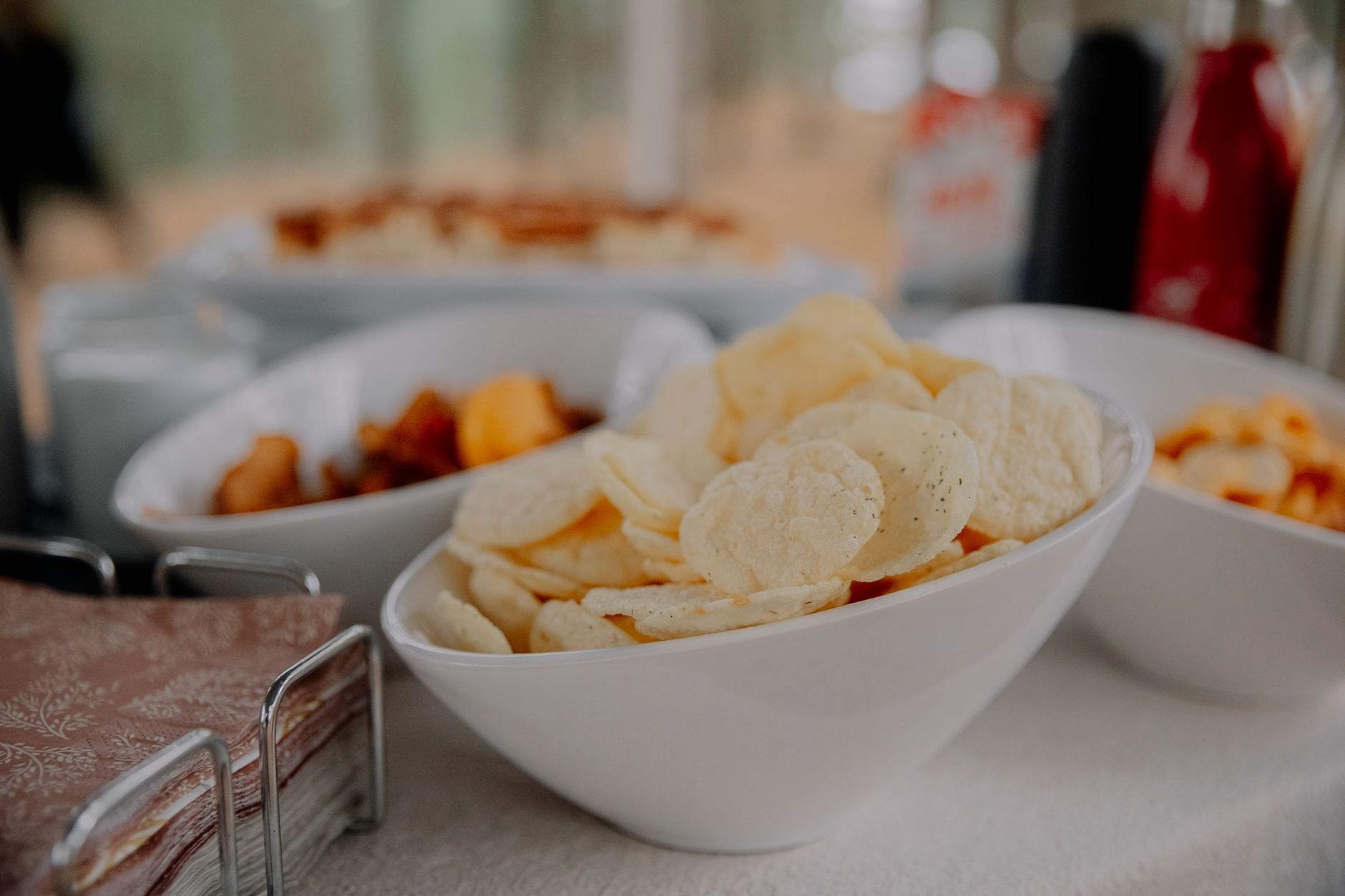
- Snack foods (chips, pretzels, salted nuts)
- Frozen meals and pizza
- Condiments (soy sauce, ketchup, mustard)
- Cheeses (especially processed or aged varieties)
- Pickled vegetables
- Fast food items
Sodium Content in Common Foods
Understanding sodium content is essential in making dietary choices. Here’s an approximate chart of sodium content in various high sodium foods:
| Food Item | Sodium Content (mg) |
|---|---|
| Processed cheese (1 slice) | 300-500 |
| Bacon (2 slices) | 400-500 |
| Canned soup (1 cup) | 800-1,200 |
| Packaged ramen noodles (1 serving) | 1,500-2,000 |
| Frozen pizza (1 slice) | 400-700 |
How Much Sodium Should You Consume?
The American Heart Association recommends that adults limit their sodium intake to less than 2,300 milligrams per day, ideally aiming for 1,500 milligrams for most adults. This is particularly important for individuals with high blood pressure, heart disease, or other health issues.
Portion Sizes and Sodium Content
Beyond just knowing which foods are high in sodium, understanding portion sizes is crucial as well. For instance, while a cracker may have a decent amount of sodium per serving, it’s easy to consume multiple servings without realizing it. Here are some typical portion sizes for high sodium foods:
- Canned soup: 1 cup (often equals 1 serving)
- Processed cheese: 1 slice (large servings may double sodium)
- Snack chips: 1 oz (about a handful can exceed the recommended limit)
- Frozen meal: 1 meal (often exceeds daily sodium limit)
Nutritional Impact of High Sodium Foods
While sodium is an essential nutrient necessary for various body functions, high amounts can have adverse effects. Here’s how excessive sodium consumption can affect your health:
- Hypertension: High sodium intake has been linked to increased blood pressure.
- Heart Disease: Excessive sodium can lead to heart-related issues over time.
- Kidney Damage: High sodium can put stress on the kidneys, affecting their function.
- Edema: Excess sodium can cause fluid retention, leading to swollen extremities.
How to Reduce Sodium Intake
Reducing sodium intake doesn’t have to be challenging. Here are some practical tips:
- Choose fresh, whole foods over processed ones.
- Read labels to compare sodium content between similar products.
- Cook from scratch and emphasize herbs and spices for flavor.
- Use low-sodium or sodium-free versions of condiments and snacks.
- Limit fast-food consumption, as these often contain high amounts of sodium.
Identifying Hidden Sources of Sodium
Sodium is often hidden in unexpected foods. Here are some sources that may surprise you:
- Baking soda and baking powder
- Vegetable juices
- Processed bread and rolls
- Canned vegetables (even those labeled as “no salt added”)
High Sodium Foods in Different Cuisines
Various cuisines can be high in sodium due to their traditional cooking methods and ingredients. Here’s an overview:
Asian Cuisine
Dishes often include soy sauce and fish sauce, both of which are high in sodium. Example dishes include stir-fries and ramen.
Italian Cuisine
Processed meats like salami and cheeses are common in Italian dishes, contributing to higher sodium levels.
Mexican Cuisine
Salsas, sauces, and pickled ingredients are frequent in Mexican cooking, all of which can be high in sodium.
Practical Ingredient Substitutions
When cooking, you can often substitute high sodium ingredients for lower-sodium options without sacrificing flavor. Here are some effective substitutions:
- Salt: Use herbs, spices, or citrus juices instead of salt to enhance flavors.
- Bacon: Use turkey bacon or mushrooms for a smoky flavor with less sodium.
- Soy sauce: Opt for low-sodium soy sauce or coconut aminos.
- Processed canned soup: Make homemade soup using fresh ingredients and spices.
Cooking Techniques to Lower Sodium
Your cooking methods can also impact sodium content. Here are some techniques that help:
- Grilling: Grilling meats and vegetables can enhance flavor without added salt.
- Roasting: Roasting brings out natural sweetness in vegetables, reducing the need for salt.
- Steaming: This technique preserves the natural taste and nutrients of vegetables.
Common Mistakes When Reducing Sodium
When trying to reduce sodium, it’s easy to make a few common mistakes:
- Assuming “low sodium” means no taste—explore other flavor enhancers.
- Not tracking overall sodium intake—monitoring can help in making better choices.
- Overlooking portion sizes—eating larger servings can heighten sodium consumption quickly.
Foods to Embrace
Embracing certain foods can lead to a naturally low-sodium diet. Consider incorporating these options into your meals:
- Fresh fruits and vegetables
- Whole grains like brown rice and quinoa
- Lean proteins such as chicken, turkey, and fish
- Nuts and seeds without added salt
Conclusion
Understanding high sodium foods is an essential aspect of managing your health and eating well. By identifying which foods are high in sodium, learning to cook using lower-sodium alternatives, and embracing a broader range of wholesome foods, you can create a balanced, nutritious diet. Start by assessing your current sodium intake and making small adjustments—your body will thank you.
For more practical food ideas, explore our recipes including salt potatoes or saltine crackers for inspiration on delicious dishes that won’t compromise your dietary goals.