
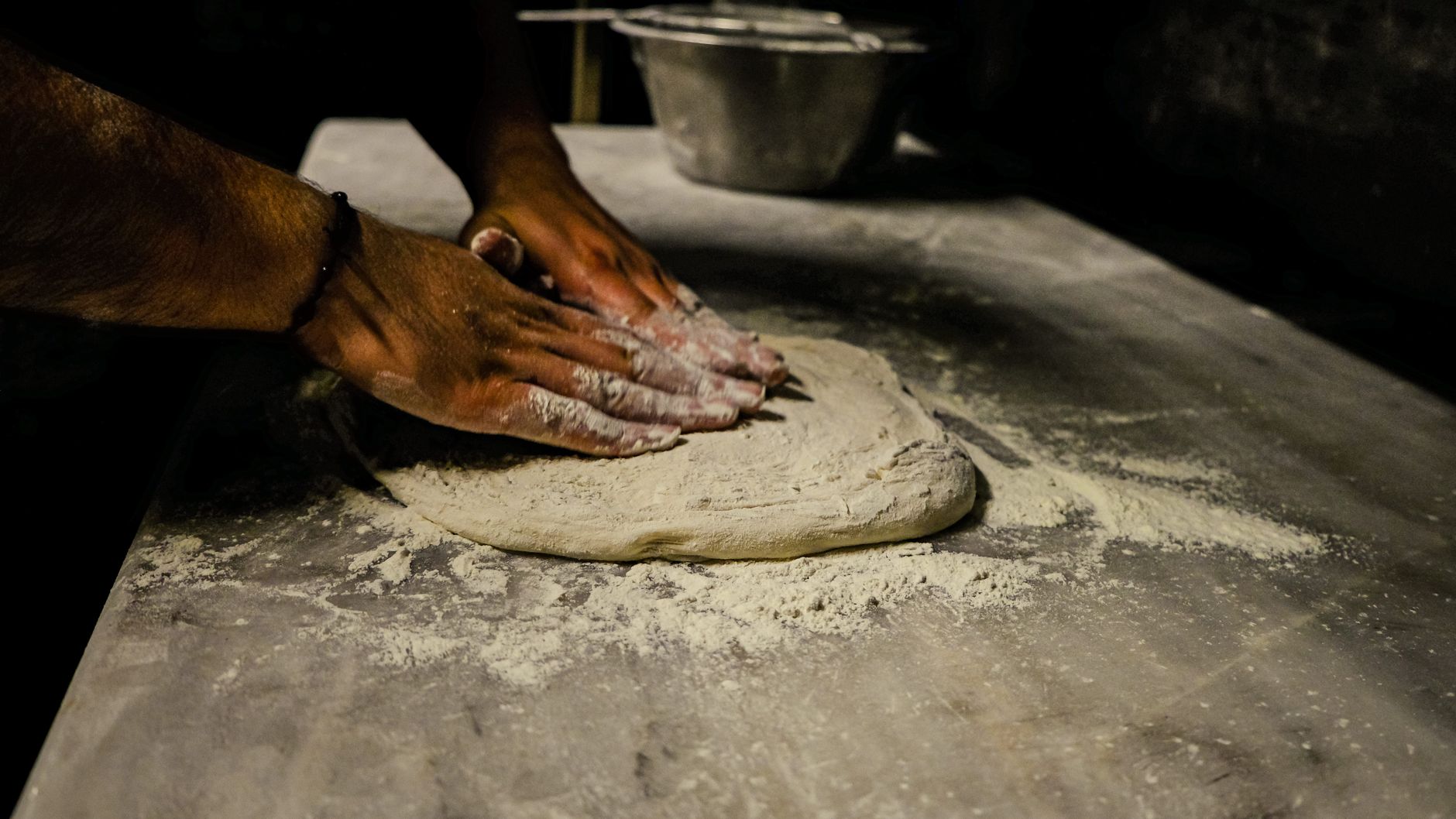
Pizza dough is a staple in many households and a key ingredient for a delightful homemade pizza. Knowing how to store and handle pizza dough properly can enhance your cooking experience and ensure that the end result is consistently delicious. But what happens when pizza dough is not used right away? Does pizza dough go bad?
The answer is yes, pizza dough can go bad, but understanding how to store it and the signs of spoilage can help you maximize its shelf life. This article will explore how long pizza dough lasts, the signs that indicate it is no longer good, and tips for proper storage.
Does Pizza Dough Go Bad?
Yes, pizza dough can go bad. Fresh dough made from flour, water, yeast, and salt will eventually spoil if not stored properly. Factors like the dough’s original ingredients, how it is stored, and the environment it is kept in can affect its longevity.
Understanding the Ingredients
To understand pizza dough storage, it’s essential to know the main ingredients:
- Flour: Provides structure and texture.
- Water: Hydrates the flour to activate gluten.
- Yeast: Acts as a leavening agent, causing the dough to rise.
- Salt: Adds flavor and controls yeast activity.
These ingredients can influence how long pizza dough lasts and how it should be stored. Freshness and quality are key to ensuring your dough remains safe and tasty.
Storage Times for Pizza Dough
Storage times vary based on whether the dough is fresh, frozen, or cooked. Here’s a breakdown:
Fresh Pizza Dough
When properly stored, fresh pizza dough can typically last:
- At room temperature: 2 to 3 hours, covered with a towel or plastic wrap to prevent drying out.
- In the refrigerator: 3 to 5 days, if stored in an airtight container or wrapped tightly in plastic wrap.
- In the freezer: up to 3 months, provided it’s wrapped well in plastic wrap and aluminum foil or placed in a freezer bag.
Baked Pizza Dough
If you have leftover cooked pizza, it should be stored differently:
- In the refrigerator: 3 to 4 days, in an airtight container or wrapped tightly.
- In the freezer: 1 to 2 months, wrapped to prevent freezer burn.
Signs of Spoilage
It’s crucial to recognize the signs that your pizza dough has gone bad. Here are some indicators to watch for:
Visual Signs
- Color Change: Fresh dough is usually light beige. If it looks darker or discolored, this is a sign of spoilage.
- Mold: Any signs of mold (green, black, or white fuzzy spots) mean the dough should be discarded immediately.
Texture and Smell
- Texture: Spoiled dough may feel overly sticky or dry. Fresh dough should be smooth and slightly tacky.
- Smell: If the dough has developed an off or sour smell, it is no longer safe to use.
How to Store Pizza Dough
Proper storage can significantly extend the life of your pizza dough. Here are some tips:
Storing Fresh Pizza Dough
- Room Temperature: If you plan to use the dough soon (within a few hours), store it at room temperature. Keep it covered to prevent drying out.
- Refrigeration: For longer storage, place the dough in a greased bowl, cover it tightly with plastic wrap, and refrigerate. This slows down fermentation and keeps the dough fresh.
- Freezing: For extended storage, divide the dough into portions and wrap each in plastic wrap. Place these in a labeled freezer bag to keep track of them.
Thawing Frozen Pizza Dough
When ready to use frozen pizza dough, thaw it in the refrigerator overnight. For quicker thawing, you can leave it on the counter for about 1 to 2 hours, but make sure to keep it covered to prevent drying.
Using Leftover Pizza Dough
If you’ve had too much pizza dough on hand, here are some ways to utilize it:
- Make Pizza Rolls: Roll out the dough, fill it with cheeses and toppings, then roll and bake for a tasty twist.
- Flatbreads: Create simple flatbreads by rolling out the dough and baking it in a hot oven.
- Garlic Knots: Shape dough into knots, brush with garlic butter, and bake for a flavorful side dish.
Common Mistakes to Avoid
Avoid these common mistakes to ensure your pizza dough remains fresh:
- Not Storing Properly: Failing to use airtight containers can lead to drying out or absorbing odors from other foods.
- Ignoring Expiration Dates: Always check for any expiration signs before using your dough.
- Freezing without Wrapping: Ice crystals can form inside unwrapped dough, leading to freezer burn.
Practical Tips for Pizza Dough Management
These tips will help you manage your pizza dough effectively:
- Batch Preparation: Consider making pizza dough in batches. You can freeze what you don’t use immediately.
- Label Everything: Write dates on your storage containers to keep track of when your dough was made or frozen.
- Use Fresh Ingredients: Ensure your yeast and other ingredients are fresh to maximize dough effectiveness.
Conclusion and Next Steps
Pizza dough can go bad, but with proper storage and awareness of spoilage signs, you can keep it fresh for longer. Whether you choose to freeze, refrigerate, or simply enjoy it soon after making it, understanding the best practices will enhance your pizza-making experience. Consider exploring further recipes such as King Arthur Pizza Dough Recipe or try a unique twist with Sourdough Discard Pizza Dough Recipe.