
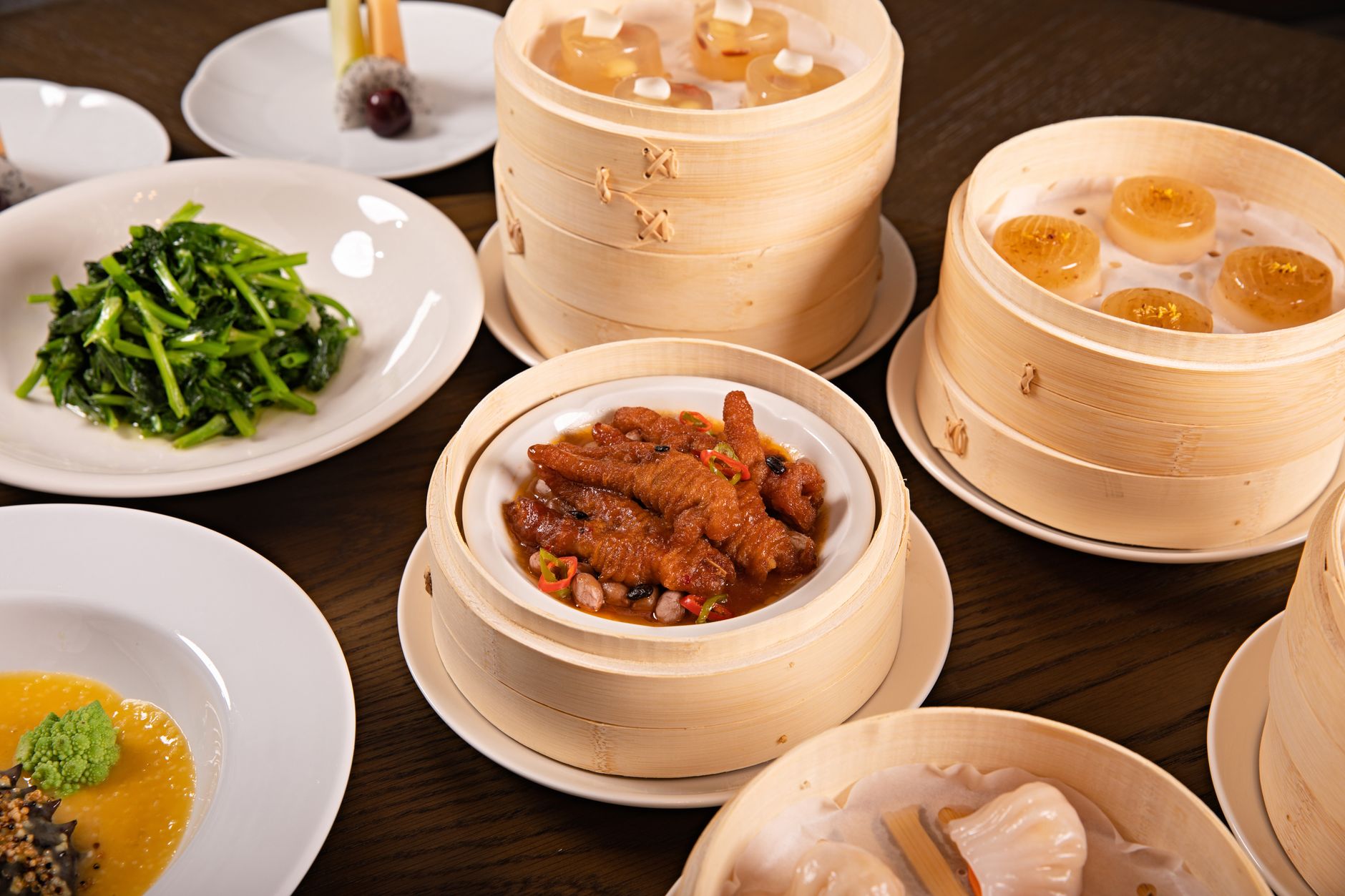
Asian cuisine is incredibly diverse, reflecting a rich tapestry of cultures, traditions, and geographic influences. While it is difficult to encompass the entirety of what Asian people eat, this article will explore the common ingredients, flavors, and cooking techniques found across various Asian cuisines. Understanding these elements will enhance any cook’s repertoire.
In this guide, we will delve into staple ingredients, popular dishes, and unique cooking methods that define Asian culinary practices. Whether you’re looking to recreate authentic recipes or simply broaden your understanding of Asian food, this article will serve as a comprehensive resource.
What Do Asian People Eat?
Asian food varies greatly from region to region, but there are a few common elements that unite them: rice, noodles, fresh vegetables, sauces, and various forms of protein. Cooking methods like stir-frying, steaming, and simmering are prevalent, allowing for a harmonious balance of taste and texture.
Staple Ingredients in Asian Cuisine
The foundation of many Asian dishes rests upon a handful of staple ingredients. Understanding these can provide insights into flavor profiles and cooking methods.
Rice
Rice is the cornerstone of many Asian diets, especially in countries like China, Japan, India, and Thailand. It comes in various forms, including:
- Jasmine Rice: A fragrant long-grain rice commonly used in Thai dishes.
- Basmat Rice: An aromatic long-grain rice favored in Indian biryanis and pilafs.
- Sushi Rice: Short-grain, sticky rice essential for Japanese sushi.
Cooking rice typically involves rinsing, soaking, and then steaming or boiling until fluffy and tender.
Noodles
Noodles are another staple, with numerous varieties playing significant roles in different cuisines:
- Rice Noodles: Common in Vietnamese pho and Thai pad Thai.
- Egg Noodles: Used in Chinese lo mein and wonton soup.
- Soba Noodles: Buckwheat noodles popular in Japan, often served cold.
Noodles can be stir-fried, boiled, or served cold, creating various dish possibilities.
Sauces
Sauces add depth and flavor to Asian cuisine. Here are a few essential ones:
- Soy Sauce: A savory liquid made from fermented soybeans, used widely in numerous Asian dishes.
- Fish Sauce: A fermented condiment with robust umami flavors, crucial in Thai and Vietnamese cuisines.
- Oyster Sauce: A thick sauce made from oyster extract, frequently used in Chinese stir-fries.
Each sauce brings a unique flavor profile and is often used in marinades, dips, or as a cooking base.
Vegetables and Herbs
Fresh vegetables and herbs are integral to Asian cuisine, providing textural contrast and brightness. Common choices include:
- Bok Choy: A leafy green that can be stir-fried or steamed.
- Snow Peas: Crunchy additions for freshness in stir-fries.
- Cilantro: A staple herb for garnishing in dishes across various Asian culinary traditions.
Proteins
Proteins in Asian diets are diverse, ranging from tofu to meat and seafood. Here’s a brief overview:
- Tofu: A versatile plant-based protein that absorbs flavors well, used in stir-fries, soups, and salads.
- Poultry: Chicken is a favored ingredient; think of dishes like Hainanese chicken rice.
- Fish and Seafood: Essential in coastal regions, often featured in sushi, curries, and soups.
Popular Asian Dishes
Each country in Asia has its own signature dishes that embody its unique culinary tradition. Here are a few notable examples:
Chinese Cuisine
Chinese food is known for its balance of flavors and techniques. Some iconic dishes include:
- Kung Pao Chicken: Stir-fried chicken with peanuts, vegetables, and a fragrant sauce.
- Dumplings: Steamed or fried pockets filled with meat, vegetables, or a combination, often served with dipping sauce.
- Sweet and Sour Pork: Pork in a tangy sauce, usually served with bell peppers and pineapple.
Japanese Cuisine
Japanese cooking emphasizes seasonality and presentation. Key dishes include:
- Sushi: Vinegared rice paired with fish or vegetables.
- Ramen: Noodles in broth, garnished with various toppings, like chashu pork and green onions.
- Tempura: Battered and deep-fried seafood or vegetables.
Thai Cuisine
Thai food is known for its balance of sweet, sour, spicy, and salty flavors. Popular dishes are:
- Pad Thai: Stir-fried rice noodles with shrimp, bean sprouts, and peanuts.
- Green Curry: A spicy coconut milk-based curry with meat and vegetables.
- Mango Sticky Rice: A popular dessert made with sweetened sticky rice and fresh mango.
Indian Cuisine
Indian cuisine is characterized by its use of spices and herbs. Notable dishes include:
- Biryani: A fragrant rice dish layered with marinated meat and spices.
- Curry: A complex dish made with meat or vegetables in a spicy sauce.
- Naan: A leavened flatbread often served with curry.
Cooking Techniques in Asian Cuisine
Cooking techniques in Asian cuisine are as varied as the cuisines themselves. Familiarizing yourself with these methods can open up new ways to enjoy cooking at home.
Stir-Frying
Stir-frying is a high-heat cooking method that involves quickly cooking ingredients in a wok with a small amount of oil. Suitable ingredients include:
- Vegetables: Broccoli, bell peppers, carrots.
- Proteins: Chicken, beef, tofu.
Visual cues include vibrant colors and a slight char. Ensure your wok is sufficiently heated before adding ingredients to achieve that desired sear.
Steaming
Steaming is a gentle cooking method ideal for retaining nutrients. Popular items include:
- Dumplings
- Fish
- Vegetables
Steamed dishes tend to have a soft texture and are often served with sauce for added flavor.
Simmering
Simmering involves cooking food in liquid at a low temperature. This method is suitable for:
- Curries
- Stocks
- Soups
Look for small bubbles breaking the surface of the liquid. Simmering helps to infuse flavors over time, creating rich, hearty dishes.
How to Prepare an Asian Meal
Bringing together an Asian meal can be both exciting and approachable. Here is a simple guide to preparing a complete meal using common Asian ingredients.
Meal Planning Tips
- Choose a protein source (e.g., chicken, tofu, or shrimp).
- Select a base (e.g., rice or noodles).
- Add a variety of vegetables for crunch and flavor.
- Incorporate aromatics like garlic, ginger, or shallots.
- Finish with a sauce or seasoning to tie everything together.
Sample Asian Meal Plan
A simple yet flavorful example could include:
- Main Dish: Stir-fried chicken with broccoli and bell peppers in oyster sauce.
- Base: Steamed jasmine rice.
- Vegetable Side: Garlic sautéed bok choy.
- Dessert: Fresh mango slices or coconut milk-based pudding.
Ingredient Substitutions in Asian Cooking
Sometimes, specific ingredients may not be available in your area. Here are reliable substitutions you can use without losing flavor:
Common Substitutions
- Soy Sauce: Use tamari for a gluten-free option, or coconut aminos for a milder flavor.
- Fish Sauce: Substitute with soy sauce combined with a splash of vinegar for a similar umami effect.
- Rice Vinegar: Apple cider vinegar can be a good alternative.
- Tofu: If avoiding soy, try using chickpeas or tempeh.
Common Mistakes and Troubleshooting
Cooking Asian cuisine can be straightforward, but several common pitfalls may arise:
Overcooking Vegetables
Vegetables can lose their vibrant color and texture if overcooked. Stir-fry quickly over high heat to keep them crisp and bright.
Incorrect Heat Levels
A hot pan is critical for quick cooking methods like stir-frying and searing. Always preheat your pan and add oil only once it’s hot.
Underseasoning
Asian cuisine relies on bold flavors. Taste as you cook and adjust seasonings throughout the process to balance sweet, salty, and umami elements.
Storage and Reheating Tips
Knowing how to store and reheat dishes can contribute to meal planning and reduce waste:
Storage
- Let dishes cool before transferring them to airtight containers.
- Store cooked rice in the fridge for up to four days.
- Stir-fry dishes are best consumed within three days for optimal texture.
Reheating
Reheat dishes gently in a pan or microwave; add a splash of water to keep rice and noodles from drying out.
Explore Asian Cuisine Further
Asian cuisine is vast and varied, with countless dishes and techniques waiting to be discovered. From regional specialties to everyday home-cooked meals, there’s something for every palate.
By trying out different ingredients and cooking methods, you can create authentic Asian flavors in your own kitchen. Explore further by trying new recipes, such as Asian Green Bean Recipe or making your own General Tso Sauce Recipe.