
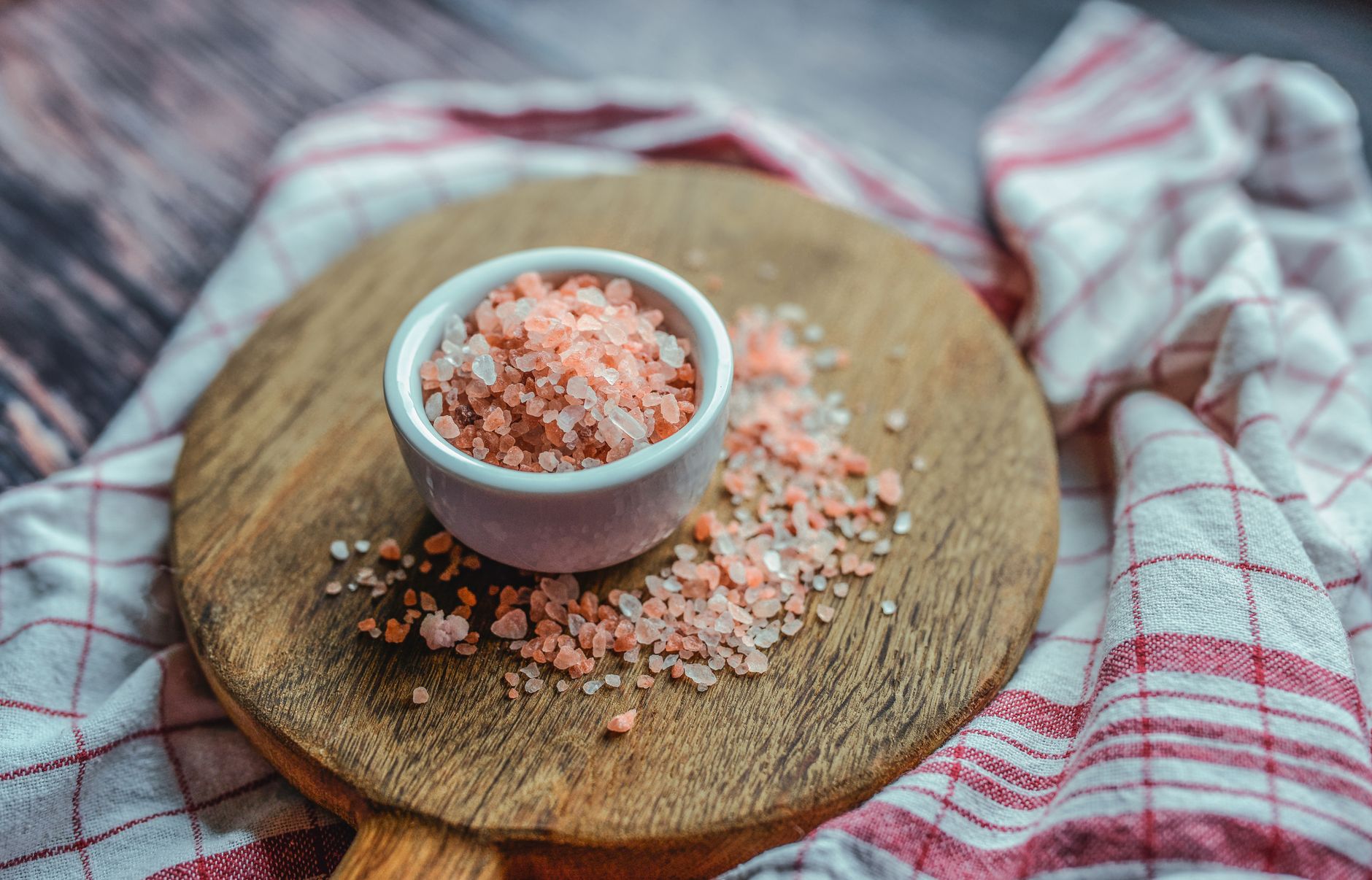
Salt is a crucial ingredient in cooking, enhancing flavor and preserving food. Among the varieties available, coarse salt and kosher salt are commonly found in kitchens. Understanding whether they are the same can help you make informed choices when cooking.
This guide examines the differences and similarities between coarse salt and kosher salt, helping you determine when to use each type and how they can affect the taste and texture of your dishes.
Is Coarse Salt the Same as Kosher Salt?
No, coarse salt and kosher salt are not the same, despite some similarities. While both are coarse-grained salts and used in cooking and seasoning, they differ in texture, flavor, and specific culinary applications.
Understanding Coarse Salt
Coarse salt refers to any salt that has larger crystals compared to regular table salt. This type generally includes sea salt and can be found in various mineral compositions, depending on its origin. Here are some characteristics of coarse salt:
- Texture: Coarse salt has a gritty texture and larger crystal size, which can vary depending on the brand or type.
- Flavor: Coarse salt can have a more complex flavor profile, especially if it is sea salt, as it may retain trace minerals.
- Uses: It is often used in cooking, as a finishing salt, or in brines due to its texture and ability to draw out moisture.
Understanding Kosher Salt
Kosher salt is named for its traditional use in the koshering process of meat, adhering to Jewish dietary laws. Its unique crystal shape and size contribute to its specific culinary functions. Here are the main characteristics of kosher salt:
- Texture: Kosher salt is typically flatter and more irregular in shape, which allows for better adherence to food.
- Flavor: Kosher salt tends to have a purer, cleaner taste without the additives often found in table salt.
- Uses: It is commonly used for seasoning, brining, and as a finishing salt because it dissolves easily and provides a nice crunch.
Key Differences Between Coarse Salt and Kosher Salt
Recognizing the distinctions can help you use these salts more effectively in your cooking.
1. Crystal Size and Shape
The most noticeable difference lies in the size and shape of the crystals. Coarse salt has larger, irregular crystals, whereas kosher salt features smaller, flat, and flaky crystals. This difference means that kosher salt can dissolve more readily in foods, which can influence the salinity of a dish.
2. Flavor Profile
Coarse salt may have a briny flavor, especially when sourced from the sea, due to the presence of minerals. Kosher salt, on the other hand, is known for its clean taste, making it an ideal choice for seasoning without altering the dish’s flavor profile significantly.
3. Culinary Uses
Versatility also differs. While both can be used interchangeably in some cases, there are specific applications where one may be preferred over the other. Kosher salt is favored in many culinary settings for seasoning meats and vegetables as it allows chefs to control the amount of salt being added due to its crystal shape.
4. Packaging and Additives
Coarse salt may sometimes have additives, like anti-caking agents, especially if commercially packaged. Kosher salt, especially well-known brands, typically does not include additives, allowing for a purer seasoning experience.
When to Use Coarse Salt
Coarse salt is beneficial in several culinary applications:
- Brining: Its size allows it to draw out moisture effectively, making it ideal for brining meats before cooking.
- Finishing Salt: The larger texture provides a satisfying crunch when sprinkled on dishes just before serving.
- Baking: When used in dough or batters, it can create a delightful texture in breads, enhancing the crust’s flavor.
- Grilling: Coarse salt can be ideal for seasoning meats or vegetables before grilling, allowing for a burst of salty flavor
When to Use Kosher Salt
Kosher salt shines in various culinary settings and is often the salt of choice for chefs:
- Seasoning Foods: Its ability to season food without overpowering makes it a favorite among cooks, particularly for meats and vegetables.
- Salting Water: Adding to pasta or vegetable boiling water ensures even seasoning.
- Brining: Like coarse salt, kosher salt is suitable for brining, allowing for a well-seasoned end product.
- Baking: Kosher salt can be used in making baked goods for seasoning without the overly processed taste, often preferred for cookies and pastries.
Substitutions: Can You Use Coarse Salt for Kosher Salt and Vice Versa?
Substitutions between coarse salt and kosher salt can work, but the outcome may vary depending on dish specifications. Here are some guidelines:
- Swapping Kosher Salt for Coarse Salt: If the recipe calls for coarse salt and you use kosher salt, consider using about 1/2 to 3/4 of the amount specified in the recipe because kosher salt can taste saltier due to its crystal shape and texture.
- Swapping Coarse Salt for Kosher Salt: If using coarse salt instead of kosher salt, you may need to use a bit more since it has a different texture. Start with a 1:1 substitution and adjust to taste.
Common Mistakes When Using Coarse Salt and Kosher Salt
Understanding how to properly use coarse salt and kosher salt can help avoid common cooking pitfalls:
- Misjudging Saltiness: Due to differences in texture, it is easy to misjudge the saltiness of a dish. Always start with a smaller amount and add more to taste.
- Using the Wrong Salt in Baking: Baking is more sensitive to salt variations. Always stick to what the recipe specifies to achieve the desired results.
- Forgetting to Adjust for Substitutions: When substituting, remember to adjust the quantities; not doing so can lead to over-salted or under-salted dishes.
Practical Tips for Using Salt in Cooking
Effective seasoning is an art, especially when using different salts. Here are some practical tips to consider:
- Taste as you go: Always taste your dishes during the cooking process to ensure the salt levels are just right.
- Layering flavors: Season ingredients at different stages of cooking to enhance flavor depth.
- Use flaky salt for finishing: Consider using flaky kosher salt or coarse salt as a finishing touch to retain texture and flavor.
Conclusion
Coarse salt and kosher salt each have unique characteristics suitable for different culinary applications. While they can sometimes be interchanged, understanding their differences will enhance your cooking outcomes. Pay attention to texture, flavor, and specific uses for each type of salt to achieve the best results in your cooking endeavors. The next time you’re in the kitchen, experiment with these salts and discover the perfect balance for your dishes!
For more yummy recipes and cooking tips, check out these guides: learn how to make salt potatoes and find out substitutes for vanilla extract.