
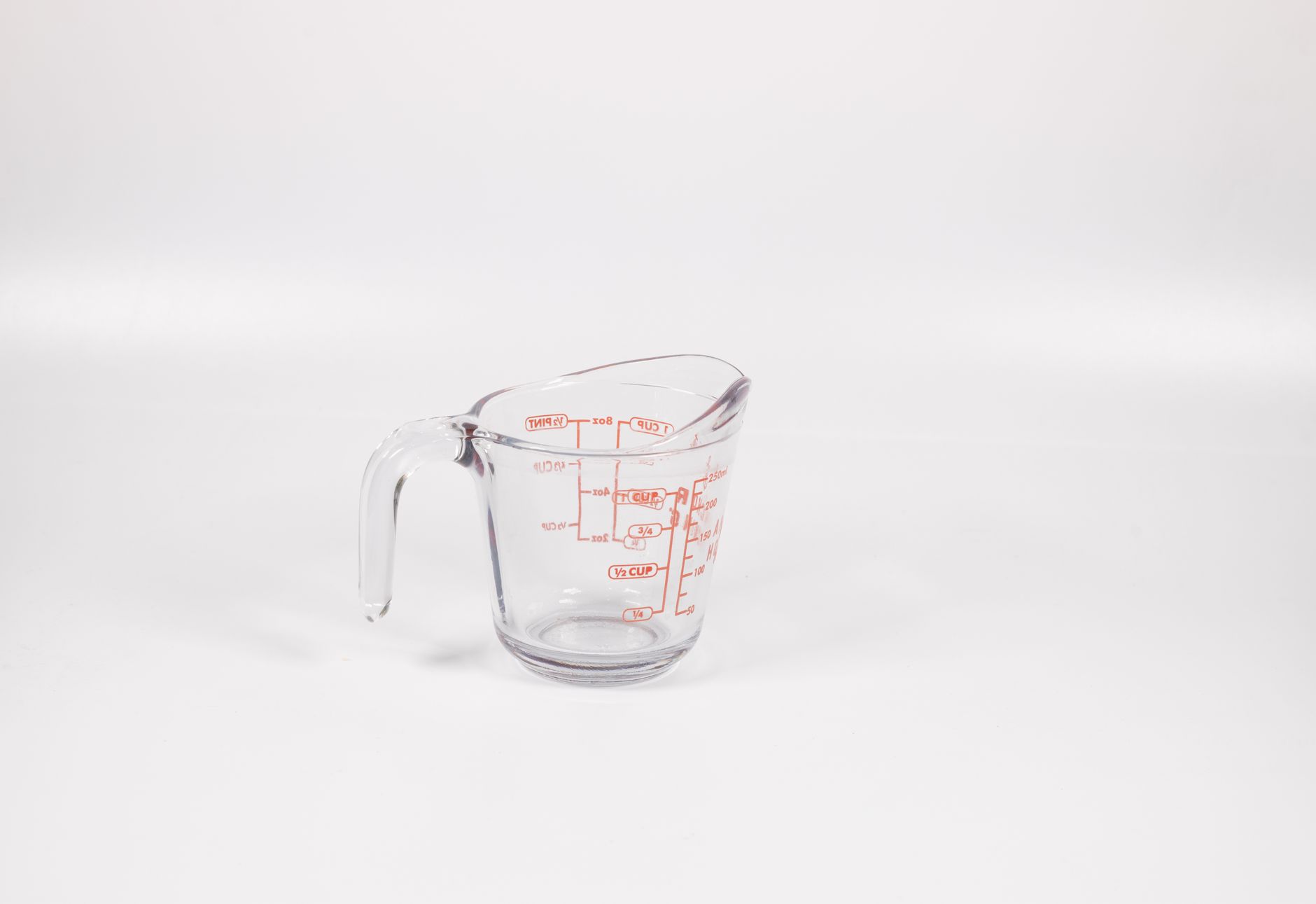
Understanding measurements in cooking is essential for any home chef, whether you’re baking, preparing meals, or experimenting with recipes. One common question that arises is: what is half of 1/2 cup? Knowing how to accurately measure and manipulate these quantities can impact your cooking results.
In this article, we’ll explore half of 1/2 cup, its practical uses in various recipes, and some simple measurement tips for your culinary endeavors. Let’s delve deeper into this fundamental kitchen concept.
What Half of 1/2 Cup?
Half of 1/2 cup is 1/4 cup. This means that if a recipe calls for 1/2 cup of an ingredient and you want to use half of that amount, you will need to measure out 1/4 cup. This measurement is often used in baking and cooking, where precision is key.
Understanding Cup Measurements
Cup measurements are a standard method of measuring ingredients in cooking, especially in the United States. The standard cup measurement is typically defined as 8 fluid ounces, which can help in understanding how half measurements work.
When you divide cooking quantities, it’s beneficial to be familiar with other measurements as well. Here are some equivalents that can help in the kitchen:
- 1 cup = 8 fluid ounces
- 1/2 cup = 4 fluid ounces
- 1/4 cup = 2 fluid ounces
- 1 tablespoon = 1/16 cup
- 1 teaspoon = 1/48 cup
Common Ingredients Measured in Cups
Many ingredients in cooking and baking are measured by cups, making it vital to understand these measurements. Here are a few ingredients that often use cup measurements:
- Flour
- Sugar (granulated, brown, powdered)
- Milk
- Oil
- Water
- Fruit (chopped or whole)
- Vegetables (chopped)
Practical Uses of Measuring Half of 1/2 Cup
Knowing how to measure half of 1/2 cup serves various cooking purposes. Here are some practical uses and why you may need this measurement in your culinary tasks:
Baking
Baking often requires precise measurements since consistency and ratios play a vital role in the outcome of baked goods. For instance, if a recipe requires 1/2 cup of sugar and you’re halving the recipe, you would need to use 1/4 cup instead. This adjustment ensures that your final product maintains the intended texture and flavor.
Cooking
When preparing meals, adjusting portions is common. If a dish requires 1/2 cup of a specific liquid or ingredient, understanding that half is 1/4 cup allows you to easily adjust quantities based on servings needed. This is particularly useful for sauces, marinades, and soups.
Portion Control
If you are managing portions for dietary reasons, measuring out ingredients like butter or oil is essential. If a recipe calls for 1/2 cup of an ingredient but you only want a smaller portion, knowing that half is 1/4 cup can help you portion your meal effectively without compromising the recipe’s balance.
Ingredient Substitutions
When you substitute ingredients in a recipe, understanding measurements allows you to keep ratios consistent. For example, if you are substituting applesauce for oil and the original recipe calls for 1/2 cup of oil, using 1/4 cup of applesauce can yield better results and maintain the recipe’s integrity.
Measuring Techniques for Accuracy
Accurate measurement is crucial in cooking and baking. Here are some techniques to help ensure you get the right quantities:
Using Proper Measuring Cups
Use dry measuring cups for solid or dry ingredients, and liquid measuring cups for liquids. Dry measuring cups are designed to be filled to the top and leveled off, while liquid measuring cups typically have a spout for pouring. This distinction helps achieve accurate measurements.
Leveling Off Dry Ingredients
For dry ingredients like flour or sugar, fill the measuring cup, then use the flat edge of a knife or spatula to level off the excess. This process helps prevent over-measuring.
Using Liquid Measuring Cups
When measuring liquids, pour the liquid into a liquid measuring cup and bend down to eye level with the cup. Adjust until the liquid reaches the desired line. This technique ensures you’re not over-or under-measuring due to perspectives.
Common Mistakes to Avoid
Several common mistakes can lead to inaccurate measurements in the kitchen. Here are a few to watch out for:
- Using the wrong type of measuring cup.
- Not leveling off dry ingredients.
- Using packed ingredients (like brown sugar) without proper guidance.
- Pouring liquids without checking the measurement at eye level.
Ingredient Substitutions for 1/2 Cup
Sometimes, you might not have the exact ingredient on hand that a recipe calls for. Here are some common substitutions for a 1/2 cup measurement:
Sugar Substitutes
If you need to replace 1/2 cup of sugar in a recipe:
- 1/2 cup of honey can be used, but reduce liquid elsewhere by about 2 tablespoons.
- For brown sugar, use the same amount or consider alternatives like coconut sugar at a 1:1 ratio.
Egg Replacements
To replace a half cup of eggs (approximately 2 large eggs):
- 1/2 cup unsweetened applesauce can replace eggs in baking.
- 1/2 cup yogurt (dairy or non-dairy) can also work effectively.
Oil Alternatives
If replacing oil, you can use:
- 1/2 cup of unsweetened applesauce for a healthier option.
- 1/4 cup of yogurt and 1/4 cup of water can create a similar texture.
Simple Recipes Using 1/2 Cup and Its Halves
Putting the concept of 1/2 cup and its halves into practice can enhance your kitchen skills. Here are a couple of simple recipe ideas that utilize a 1/2 cup measure and various adjustments:
Simple Pancakes
This easy pancake recipe requires 1/2 cup of flour, among other ingredients.
- 1/2 cup all-purpose flour
- 1 tablespoon sugar
- 1 teaspoon baking powder
- 1/2 cup milk
- 1 tablespoon vegetable oil
- 1 egg
In this recipe, if you want to make a smaller batch, you can use:
- 1/4 cup of flour instead of 1/2 cup (and adjust other ingredients accordingly).
Vegetable Stir-Fry
This vegetable stir-fry recipe can also use 1/2 cup of soy sauce as a base.
- 1/2 cup soy sauce
- 1/4 cup honey or sugar (or less for reduced sweetness)
- 2 cups assorted vegetables (e.g., bell peppers, broccoli, snap peas)
- 1 tablespoon oil for frying
To adjust the flavor or portion, substitute 1/4 cup for each ingredient you need less of, ensuring you maintain a balance.
Future Cooking and Measuring
Practicing your measuring skills and becoming familiar with quantities like half of 1/2 cup opens up new opportunities in your cooking adventures. Familiarizing yourself with these small adjustments can yield a significant difference in recipe outcomes and help boost your cooking confidence.
Essentials of Kitchen Measurement Success
Finally, here are some key points for successful measurements in the kitchen:
- Use the right measuring tools for each ingredient type.
- Be precise and patient when measuring ingredients.
- Invest in quality measuring cups and spoons for accuracy.
- Keep handy conversion charts in your kitchen for quick reference.
Being adept at measurements is a vital skill for any cook. Remember, cooking is as much about science as it is about art, and precise measurements bring balance and delicious results.
For further guidance on ingredient substitutions, check out our detailed article on substitutes for vanilla extract. If you’re interested in egg replacements, visit our page on applesauce as an egg substitute. Happy cooking!