
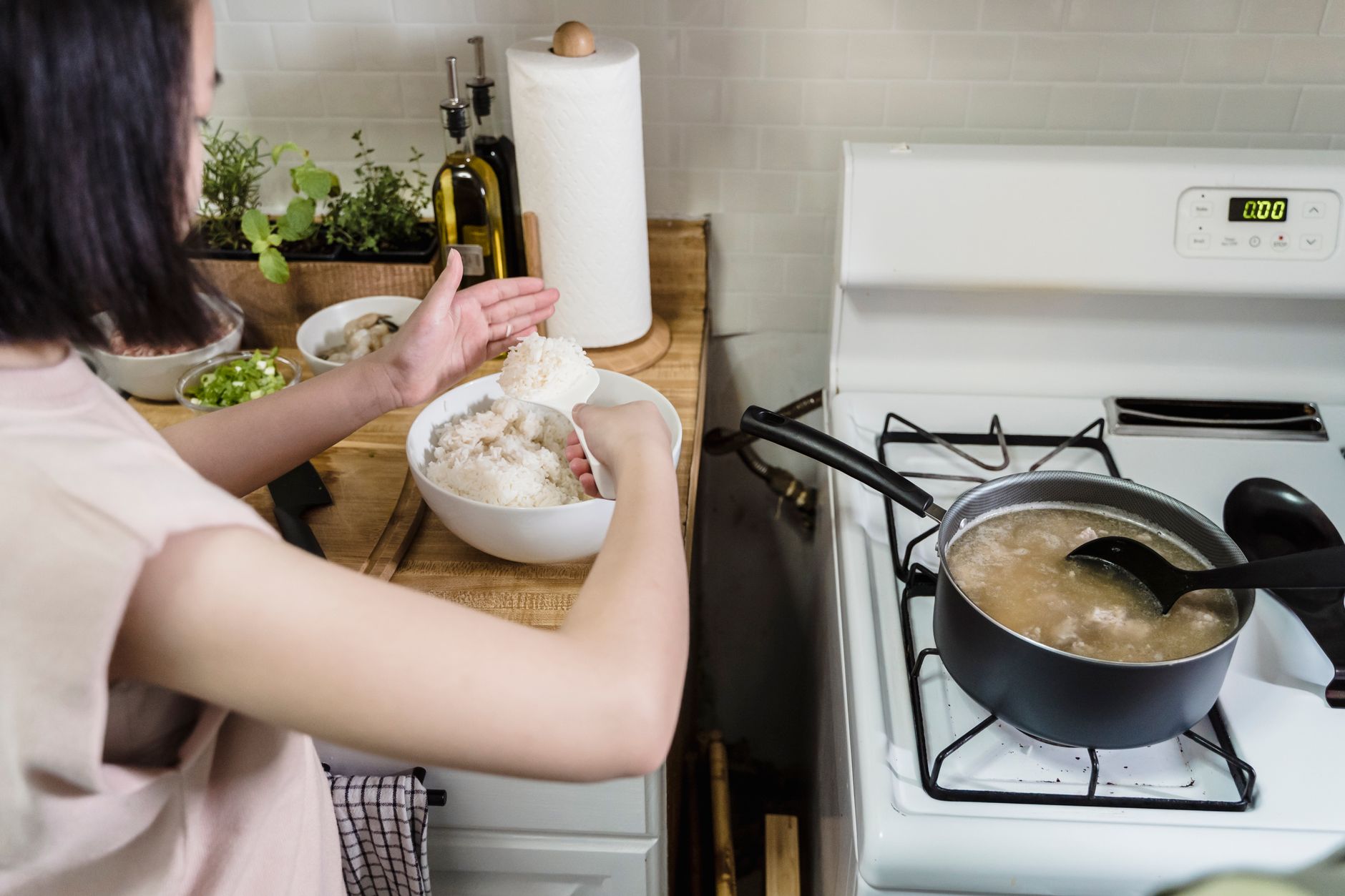
Rice is a versatile staple found in many cuisines worldwide, serving as a base for myriad dishes. However, cooking rice to perfection can be a challenge. Understanding how long to boil rice is crucial to achieving the right texture, whether it’s fluffy and light or tender and creamy.
This guide will explore the timing and temperature required for boiling various types of rice, address common cooking mistakes, and provide tips for perfect results every time.
How Long Should I Boil Rice?
The boiling time for rice depends on its type and variety. Generally, white rice should be boiled for about 15 to 20 minutes, while brown rice requires longer, approximately 30 to 40 minutes. Cooking time can vary based on the specific rice type and your desired texture.
Understanding Different Types of Rice
The cooking time and method can vary significantly between different types of rice. Here’s a breakdown of various rice types and their boiling durations:
White Rice
White rice, including long-grain, medium-grain, and short-grain rice, is the most common variety. Its cooking time generally ranges from 15 to 20 minutes, depending on the specific cut.
Brown Rice
Brown rice is a whole grain and takes longer to cook due to its bran layer. It usually requires 30 to 40 minutes of boiling. Because of its nutrient density, brown rice is often chosen for its health benefits.
Basmati Rice
Basmati rice is known for its long grains and aromatic fragrance. It typically boils in 15 to 20 minutes and offers a light texture when properly cooked.
Jasmine Rice
Popular in Southeast Asian cuisine, Jasmine rice has a unique floral aroma. It cooks in about 15 to 20 minutes and is known for its stickiness.
Arborio Rice
This short-grain rice is primarily used in risottos. Arborio rice require about 18 to 20 minutes of boiling, as it needs to absorb a generous amount of liquid to achieve its creamy consistency.
Wild Rice
Not technically rice but rather a grass, wild rice requires even longer boiling time, typically taking 45 to 60 minutes to cook thoroughly.
How to Boil Rice: A Step-by-Step Guide
Boiling rice is straightforward, but precise measurements and techniques can make a significant difference. Here’s a general method to follow:
Essential Ingredients and Equipment
- Rice (type of choice)
- Water
- Salt (optional)
- A pot with a lid
- A measuring cup
- A fork or rice paddle for fluffing
Step-by-Step Method
- Measure the Rice: Use a measuring cup to portion out the rice. A standard serving is about 1 cup of uncooked rice, which typically yields 2 to 3 cups of cooked rice.
- Rinse the Rice: Rinse the rice under cold water to remove excess starch that can cause it to be sticky. Rinsing for about 1-2 minutes is sufficient.
- Measure Water: The general rule of thumb is a 2:1 water-to-rice ratio for white rice and a 2.5:1 ratio for brown rice. Adjust the amount based on your desired texture.
- Add Salt (Optional): If you prefer seasoned rice, add a pinch of salt to the water. This step enhances flavor without making the rice overly salty.
- Bring to a Boil: Pour the water into a pot and bring it to a rolling boil over medium-high heat.
- Add Rice: Once the water is boiling, add the rinsed rice and stir to ensure even distribution. Bring the water back to a boil.
- Reduce the Heat: After about a minute of boiling, reduce the heat to low and cover the pot with a lid. This step is essential to maintain steam and heat circulation.
- Set a Timer: Cook the rice according to the type you are using:
- White rice: 15-20 minutes
- Brown rice: 30-40 minutes
- Basmati rice: 15-20 minutes
- Jasmine rice: 15-20 minutes
- Arborio rice: 18-20 minutes
- Wild rice: 45-60 minutes
- Check for Doneness: Once the timer goes off, lift the lid and check the rice. It should be tender and the liquid fully absorbed. If there’s still water, simmer for a few more minutes.
- Fluff the Rice: Once done, remove from heat and let it sit for 5-10 minutes. Then, use a fork or rice paddle to fluff it gently.
- Serve: Enjoy your perfectly boiled rice with your favorite dishes!
Common Mistakes to Avoid When Boiling Rice
Even seasoned cooks can fall into pitfalls when boiling rice. Here’s how to avoid common mistakes:
1. Using the Wrong Rice-to-Water Ratio
Each rice type has its specific water requirement. Using too little can lead to undercooked rice, while too much can make it mushy. Always adjust ratios based on the rice type.
2. Neglecting to Rinse
Rinsing rice helps eliminate excess starch, resulting in fluffier rice. Skipping this step can lead to clumpy or sticky rice.
3. Lifting the Lid Too Soon
Every time you lift the pot lid, steam escapes, which can disrupt the cooking process. Keep the lid on until the rice is fully cooked and the timer goes off.
4. Forgetting to Let It Sit
Letting rice rest after cooking allows it to absorb remaining moisture and results in better texture. Always allow it to sit for a few minutes before serving.
5. Over-Stirring
Stirring overly can cause rice to break and become mushy. Use gentle motions while fluffing after cooking.
Variations and Flavoring Techniques
Rice can be transformed with various methods or ingredients. Here are some ideas to enhance your boiled rice:
1. Broth Instead of Water
For added flavor, substitute water with chicken, beef, or vegetable broth when boiling rice. This technique infuses rich flavor into every grain.
2. Aromatics
Enhance flavor by adding fresh herbs, garlic, onion, or spices (such as bay leaves or cardamom) to the pot while cooking. Remove them before fluffing.
3. Additions After Cooking
Add ingredients like peas, carrots, or corn once the rice is cooked to create a flavorful vegetable rice mix. This keeps flavors bright and vibrant.
4. Lemon or Lime Juice
A squeeze of fresh lemon or lime juice after cooking can brighten the flavors of rice, making it a great side for fish or chicken dishes.
Meal Planning with Rice
Rice is an excellent meal base that can be prepared in advance for easy meal planning. Here’s how to incorporate rice into your weekly menu:
1. Cooking in Batches
Cook a large batch of rice at once. Store it in the refrigerator or freeze portions for quick meals. This reduces cooking time on busy nights and ensures you always have a staple ready.
2. Versatile Pairings
Rice pairs well with various proteins and vegetables, making it easy to create diverse meals. Consider:
- Stir-fry with mixed vegetables and chicken
- Rice bowls with black beans, avocado, and salsa
- Curry with chickpeas and steamed rice
3. Side Dishes
Prepare rice as a side to complement main courses. It can soak up sauces and juices, adding depth to your meal.
Storing and Reheating Rice
Knowing how to store and reheat rice properly can help avoid waste and ensure food safety. Here are some tips:
1. Refrigerating Cooked Rice
Cool cooked rice to room temperature before refrigerating it. Store it in an airtight container to prevent drying out or absorbing odors from the fridge. Cooked rice can last for up to 4-6 days.
2. Freezing Cooked Rice
For longer storage, freeze rice in portioned amounts, using freezer-safe bags or containers. This allows you to thaw as needed and can last up to 6 months in the freezer.
3. Reheating Rice
To reheat rice, add a few tablespoons of water to retain moisture and heat in the microwave or on the stove over low heat. Fluff it with a fork to separate grains.
Conclusion
Boiling rice may seem simple, but mastering the timing, water ratios, and techniques can elevate your meals. With the right preparation, you can enjoy perfectly cooked rice that enhances any dish.
For more insights into cooking rice, check out our guide on how many cups of water to use with rice or learn about gluten-free options like basmati rice. Enjoy experimenting with this versatile ingredient!