
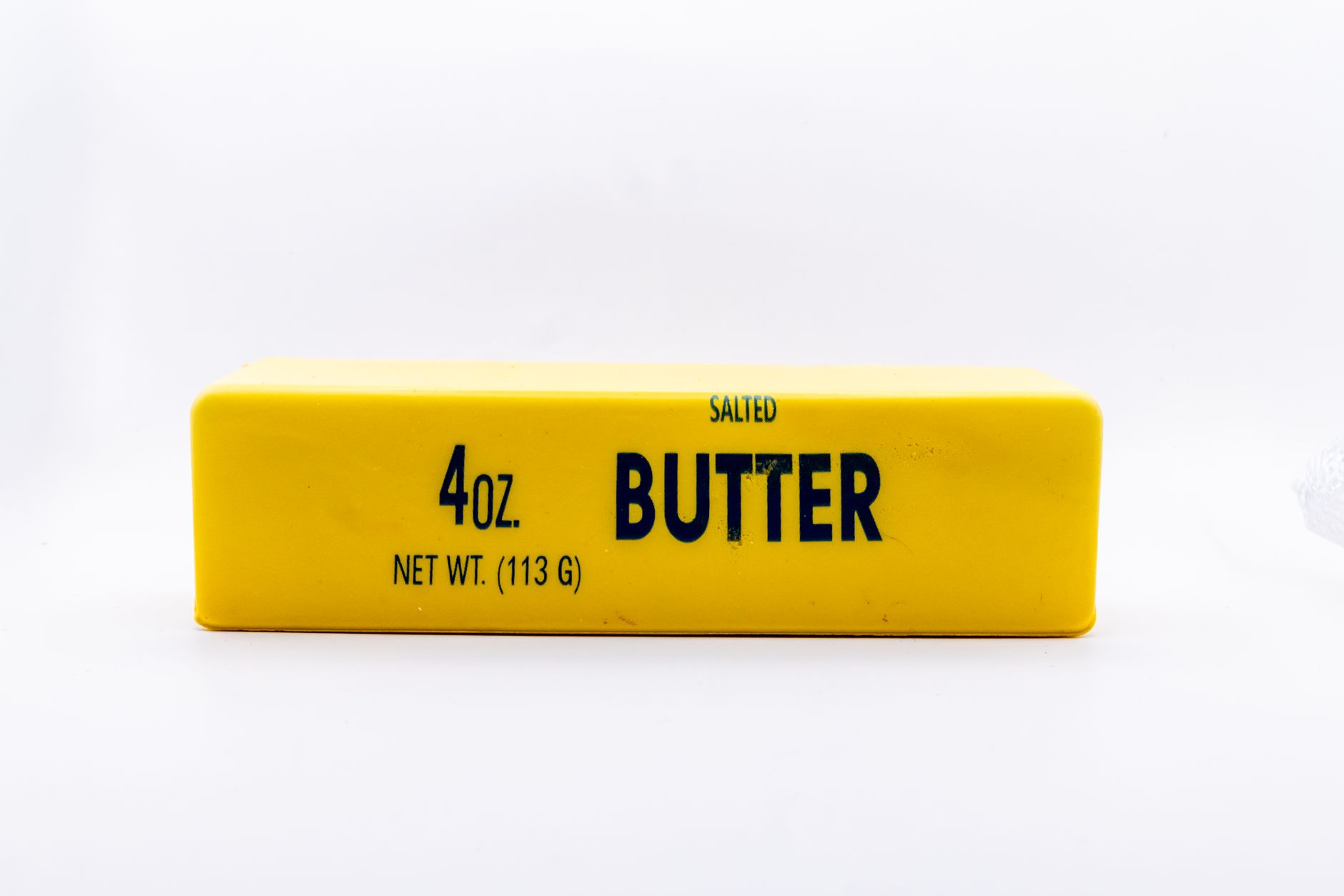
When it comes to baking cookies, the choice of butter can significantly influence the flavor and texture of the final product. Many bakers debate whether to use salted or unsalted butter, and understanding the differences can help you make the best decision for your sweet creations.
In this article, we will explore the characteristics of salted and unsalted butter, how they affect cookie recipes, and provide insights on when to use each for optimal results. Whether you’re a casual baker or a seasoned pro, knowing these details will enhance your cookie-making experience.
Do You Use Salted or Unsalted Butter for Cookies?
The choice between salted and unsalted butter for cookies often comes down to taste and control over seasoning. Unsalted butter allows for precise flavor control in baking, while salted butter can add a savory dimension to sweet treats. Understanding how each type behaves in recipes will help you create the perfect cookie.
The Role of Butter in Cookies
Before diving into the salted vs. unsalted debate, it’s essential to understand butter’s role in cookie recipes. Butter contributes several key characteristics to cookies:
- Flavor: Butter adds richness and depth to the flavor of cookies.
- Texture: It influences the texture, affecting moisture content and tenderness.
- Structure: Butter’s fat content helps create a stable structure in baked goods.
Salted Butter vs. Unsalted Butter
Each type of butter has unique properties that can affect your baking outcomes. Here’s a closer look at both options:
Salted Butter
Salted butter is made by adding salt during the churning process. Here are some key points:
- Flavor Profile: The added salt enhances the flavor of cookies and can help balance sweetness.
- Storage: Salt acts as a preservative, allowing salted butter to have a longer shelf life.
- Recipe Versatility: Salted butter can be used in recipes where a hint of salt is welcome, but it might overpower subtle flavors in delicate cookies.
Unsalted Butter
Unsalted butter is made without added salt. Consider these aspects:
- Flavor Control: Allows bakers to control the seasoning, producing cookies with a balanced flavor.
- Baking Consistency: A preferred choice for most baking, it ensures that the exact amount of salt can be measured and added to the recipe as needed.
- Freshness: Unsalted butter is often fresher since it has a shorter shelf life than salted butter.
Impact on Cookies
Using salted or unsalted butter can significantly impact the texture and flavor of your cookies. Here’s how each type can affect your baking:
Flavor Considerations
When using salted butter, the added saltiness can enhance the overall taste of the cookies. However, it might also mask some subtle flavors, particularly in cookies with delicate ingredients like vanilla or spices. Unsalted butter, on the other hand, allows for the true flavors of the ingredients to shine, making it a favorite choice among bakers aiming for precision.
Texture Differences
The type of butter you choose can also impact the final texture of your cookies. Salted butter may lead to a slightly crisper cookie, while unsalted butter can create a softer and chewier texture. The varying fat content and moisture levels subtly influence how cookies spread and rise as they bake.
Practical Tips for Choosing Butter
Here are some practical tips to help you decide whether to use salted or unsalted butter in your cookie recipes:
1. Follow the Recipe
Always start by following the recipe’s specifications. If a recipe calls for unsalted butter, it’s best to stick to that unless you have a strong reason not to. Recipes developed using unsalted butter typically account for the specific amount of salt to be added separately.
2. Adjust for Salted Butter
If you only have salted butter on hand, you can still use it. Just decrease the amount of added salt in the recipe by about 1/4 teaspoon for every 1/2 cup of salted butter used. This adjustment can help maintain the overall flavor balance.
3. Mind the Ingredients
Consider what other ingredients are in your recipe. If you’re using potent flavors such as dark chocolate or spices, unsalted butter may be a better choice to allow those flavors to take center stage.
4. Try Both Options
Don’t hesitate to experiment with both types of butter in your baking. You might find that certain cookies improve with salted butter, while others shine with unsalted. Keep notes during your experiments to see which you prefer.
Classic Cookie Recipes with Butter Types
To further illustrate how the choice of butter affects cookie recipes, consider these two classic cookie recipes: chocolate chip cookies and sugar cookies. Below are brief descriptions and suggestions for using salted or unsalted butter.
Chocolate Chip Cookies
Chocolate chip cookies are a beloved classic, known for their chewy texture and rich chocolate flavor. Here, both salted and unsalted butter can work, but they yield different results.
- Salted Butter: Using salted butter will add depth and a touch of savoriness, enhancing the flavor of the chocolate.
- Unsalted Butter: This option allows for optimal control of sweetness and is recommended for a balanced flavor profile.
Sugar Cookies
Sugar cookies are simple yet versatile, often decorated for festive occasions. The choice of butter matters in these cookies as well.
- Salted Butter: Offers a slightly more complex flavor that can counterbalance the sweetness, making it ideal for crunchy sugar cookies.
- Unsalted Butter: Ideal for maintaining the delicate sweetness and favors a softer, tender texture.
Common Mistakes to Avoid
When baking cookies, several common mistakes can arise from the choice of butter. Here are a few to watch out for:
1. Not Adjusting Salt Content
If you choose to use salted butter in a recipe designed for unsalted, failing to reduce the amount of added salt can lead to overly salty cookies. Always adjust accordingly for balanced flavor.
2. Assuming Substitutes Are Interchangeable
While you can use salted and unsalted butter in recipes, they are not direct substitutes for each other without modifications. Make sure to adjust salt content whenever switching between the two.
3. Temperature Issues
Temperature can greatly affect how butter performs in baking. Always use butter that is at the correct temperature for your recipe; usually softened at room temperature for cookies, which promotes even mixing.
Storing Butter for Baking
Proper storage of butter is crucial for maintaining its quality. Here are some tips:
- Refrigerate: Always keep butter stored in the refrigerator if you don’t plan to use it right away.
- Freezing: Unsalted butter can be frozen for up to six months. Wrap it in wax paper and place it in an airtight container.
- Keep it Sealed: To prevent butter from absorbing odors from other foods, store it in an airtight container or keep it wrapped tightly.
Conclusion
Understanding whether to use salted or unsalted butter for cookies can significantly enhance your baking results. Salted butter can add depth and blend well with strong-flavored ingredients, while unsalted butter offers precise control over the final taste of your cookies. Ultimately, the decision depends on the desired outcome and the specific recipe at hand.
Ready to bake some cookies? Check out our recipes for Chocolate Chip Cookies here and our Sourdough Cookie Recipe here for delicious treats to try out your butter preferences!