
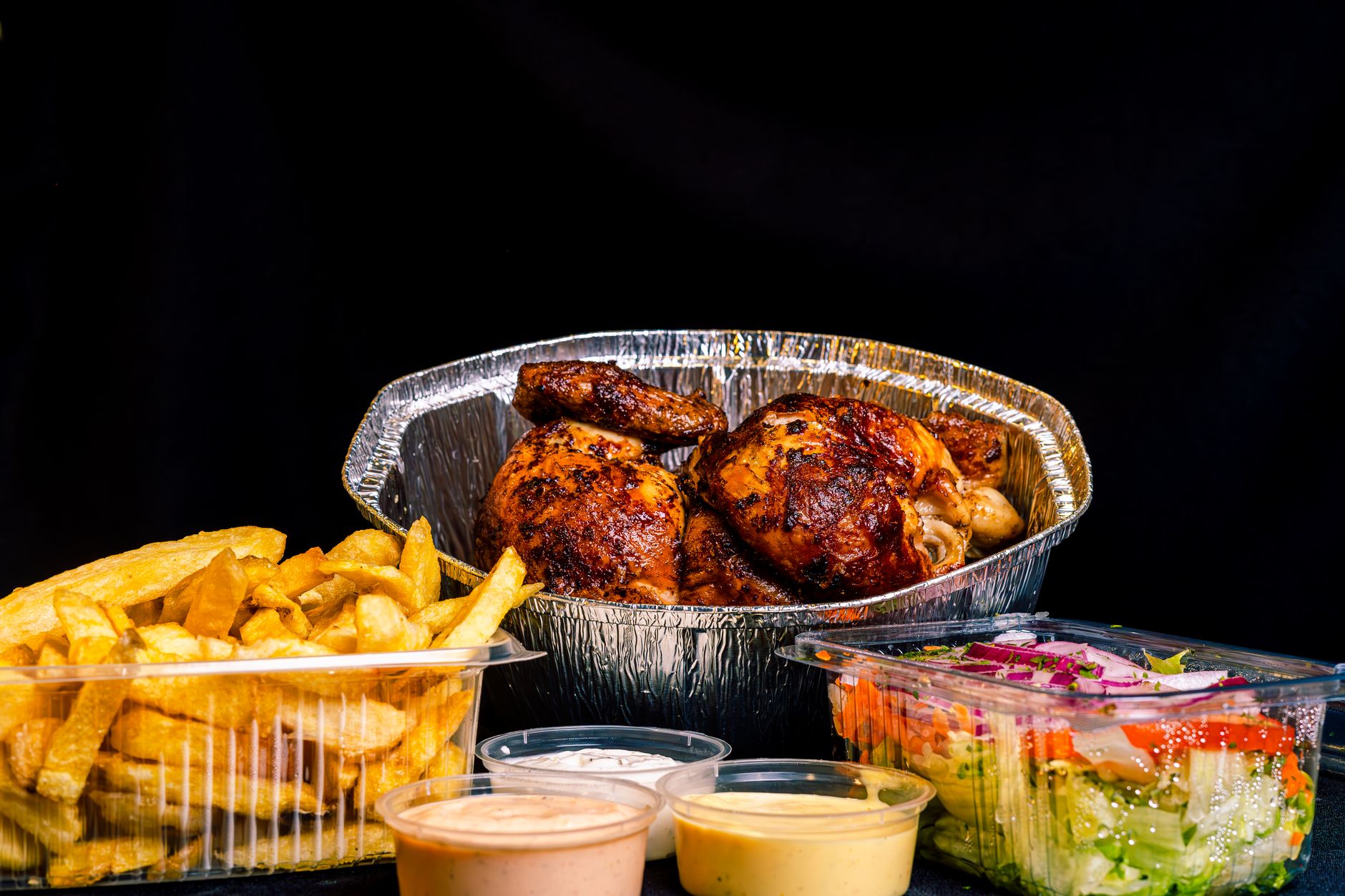
Rotisserie chicken is a convenient and delicious meal option that can be enjoyed in a variety of ways. Whether you buy it pre-cooked from the store or prepare it yourself at home, knowing how to properly store it is crucial for maintaining quality and safety. One common question that arises is: how long will rotisserie chicken last in the refrigerator?
The shelf life of rotisserie chicken depends on various factors, including how it was cooked and stored. In this article, we’ll delve into the best practices for storing rotisserie chicken, how long you can expect it to last, signs of spoilage, and clever ways to use up leftovers. Understanding proper food storage will help you enjoy rotisserie chicken safely while minimizing waste.
How Long Will Rotisserie Chicken Last in the Fridge?
Rotisserie chicken can last about three to four days in the refrigerator when stored properly. To ensure its freshness for the maximum time, it’s essential to store it in airtight containers or securely wrapped to prevent contamination and moisture loss. If you plan to enjoy your rotisserie chicken later, knowing these storage tips can help maintain its flavor and texture.
Factors Affecting Shelf Life
Several factors can impact how long rotisserie chicken will remain safe and tasty in your refrigerator. Understanding these elements will allow you to make informed decisions about storage and consumption.
- Cooking Method: Rotisserie chicken that is cooked to the appropriate internal temperature (165°F or 75°C) has a better chance of lasting longer if stored correctly.
- Initial Temperature: If the chicken is left out at room temperature for more than two hours after cooking, its shelf life shortens significantly, increasing the risk of bacterial growth.
- Storage Conditions: The refrigerator’s temperature should be set to 40°F (4°C) or lower. Keeping your chicken in environments warmer than this can cause spoilage.
- Packaging: Properly sealing the chicken can help extend its shelf life significantly. Airtight containers or heavy-duty aluminum foil are preferred.
Storage Tips for Rotisserie Chicken
To maximize the freshness of your rotisserie chicken, follow these storage tips:
- Cool Down: Allow the chicken to cool to room temperature before placing it in the refrigerator. This helps prevent a spike in fridge temperature, which could affect other food.
- Repackaging: If the chicken comes in a plastic container from the store, consider transferring it to an airtight container for better preservation.
- Use Foil or Plastic Wrap: Alternatively, you can wrap the chicken tightly with aluminum foil or plastic wrap to minimize exposure to air.
- [Labeling]: If storing leftover portions, label each container with the date of cooking to keep track of how long it has been stored.
- Keep it Whole or Break it Down: A whole rotisserie chicken can often last longer than cut pieces. Ensure all parts are stored correctly to maximize freshness.
Signs that Rotisserie Chicken is Spoiled
It’s essential to recognize when your rotisserie chicken has gone bad to avoid foodborne illness. Look for the following signs:
- Off Odor: If the chicken emits a sour or unusual smell, it’s a sign that bacteria may have developed.
- Skin Texture: If the skin has become slimy or sticky, it’s best to discard the chicken.
- Color Change: Fresh cooked chicken should be a uniform white or pale brown color. If you notice any green or dark brown discoloration, it may be time to throw it out.
- Unusual Taste: If the chicken tastes sour or odd after reheating, it has likely spoiled and should not be consumed.
Freezing Rotisserie Chicken for Longer Storage
If you expect that you won’t consume the rotisserie chicken within three to four days, freezing it is an excellent option. Here’s how to do it:
- Shred or Portion: For easier defrosting and use later, consider shredding the chicken or dividing it into portions.
- Wrap Tightly: Use heavy-duty freezer bags or airtight containers, ensuring all air is removed to prevent freezer burn.
- Label and Date: Clearly label each package with the contents and date. Rotisserie chicken can last in the freezer for four to six months.
Reheating Rotisserie Chicken
When ready to eat your stored chicken, reheating it properly is key to maintaining flavor and ensuring food safety. Here are methods to safely reheat rotisserie chicken:
Oven Method
- Preheat your oven to 350°F (175°C).
- Place the chicken in a baking dish, adding a splash of chicken broth or water to keep it moist.
- Cover the dish with aluminum foil.
- Bake for about 20-30 minutes or until the chicken reaches an internal temperature of 165°F (75°C).
Microwave Method
- Place the chicken in a microwave-safe dish.
- Cover with a microwave-safe lid or plate to retain moisture.
- Reheat in 1-minute intervals, turning the chicken halfway through.
- Check for an internal temperature of 165°F (75°C) before serving.
Stovetop Method
- In a skillet, add a little water or broth and the chicken pieces.
- Cover with a lid and heat over medium heat, turning occasionally.
- Once hot, ensure the internal temperature reaches 165°F (75°C).
Creative Ways to Use Leftover Rotisserie Chicken
Rotisserie chicken is incredibly versatile and can be used in many delicious dishes. Here are some ideas to help you utilize those leftovers.
- Chicken Salad: Combine shredded chicken with mayonnaise, celery, grapes, and walnuts for a tasty chicken salad. Serve it on bread or over greens.
- Tacos: Use shredded rotisserie chicken as a filling for tacos, along with your favorite toppings like salsa, avocado, and cheese.
- Soups: Add the chicken to a pot of broth with vegetables for a comforting chicken soup.
- Casseroles: Incorporate it into casseroles, layering in ingredients like pasta, sauce, and cheese for a hearty meal.
- Stir-fries: Toss leftover chicken in with vegetables and soy sauce for a quick stir-fry.
Meal Planning with Rotisserie Chicken
Using rotisserie chicken in meal planning can simplify your week, saving time and effort while ensuring you have delicious meals ready to go. Here are some tips:
- Multiple Meals: Plan for several meals incorporating chicken, including salads, tacos, and casseroles, to make the most of your purchase.
- Pair with Vegetables: Always include fresh or roasted vegetables to balance your meals nutritionally.
- Batch Cooking: Dedicate a day for meal prep using leftover chicken to prepare sauces and dips that can enhance your meals.
Common Mistakes to Avoid
When it comes to storing and using rotisserie chicken, here are a few mistakes you want to avoid:
- Leaving Chicken Out: Don’t let cooked chicken sit at room temperature for extended periods as it can quickly become unsafe to eat.
- Improper Storage: Using inadequate storage methods can lead to spoilage. Always aim for airtight sealing.
- Ignoring Expiry: Don’t eat chicken that has surpassed storage time, even if it seems fine.
- Neglecting Reheating Guidelines: Always check that the chicken is heated thoroughly before consumption; quick reheating doesn’t mean it’s safe.
Conclusion
Understanding how long rotisserie chicken lasts in the refrigerator—and the best practices for storing, reheating, and utilizing it—can enhance your meal-planning strategies and reduce food waste. Remember to enjoy the convenience and deliciousness of rotisserie chicken while ensuring you follow proper storage and safety protocols.
For more food storage guidance, consider reading about how long is chicken good for in the fridge, or check out how long does cooked chicken last. These resources can help bolster your food safety knowledge and culinary skills.