
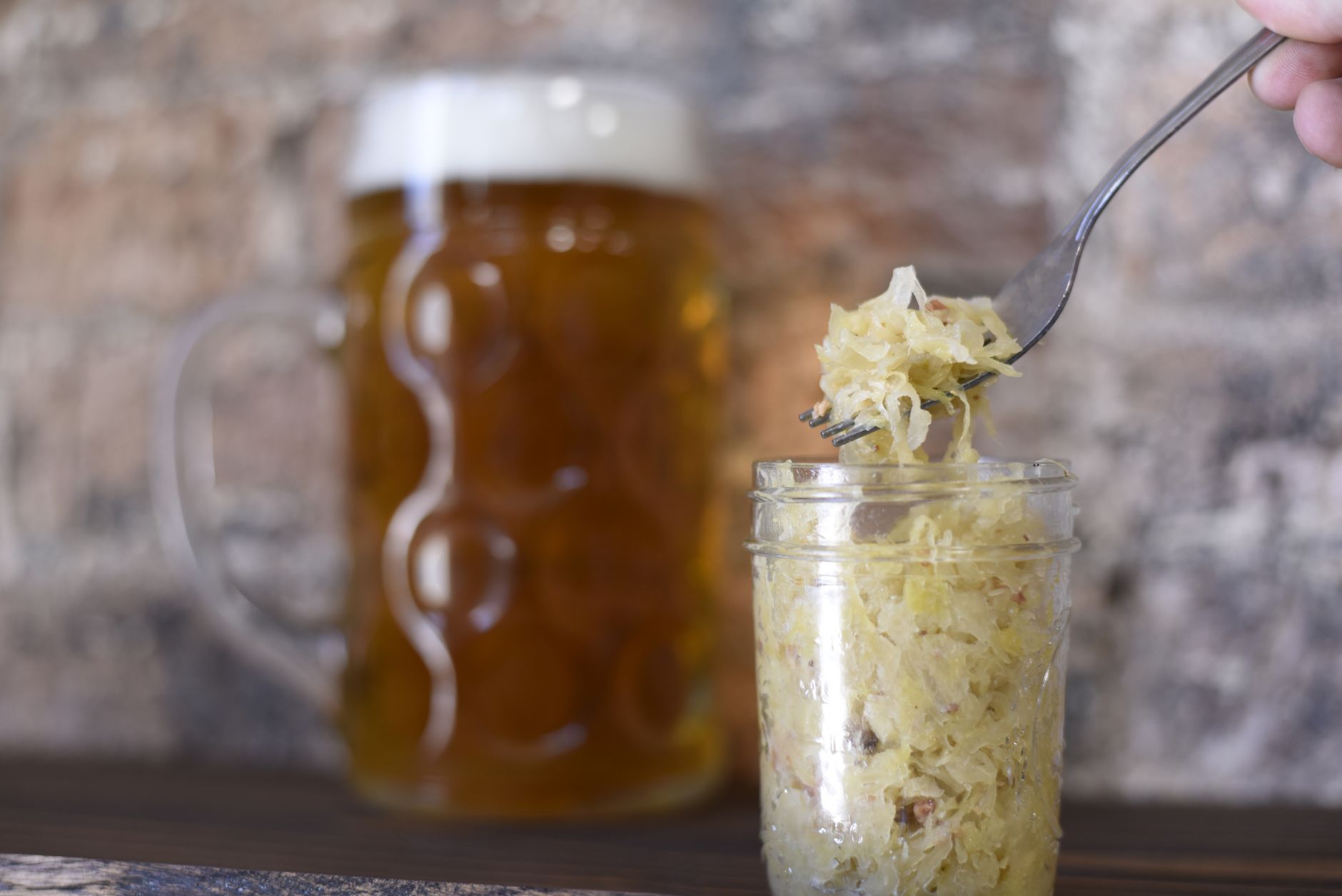
Alcoholic fermentation is a natural metabolic process that converts sugars into alcohol and carbon dioxide with the help of yeast. This fascinating transformation not only produces beverages like wine, beer, and spirits but also plays a crucial role in various culinary applications. Understanding alcoholic fermentation can enhance your appreciation for beverages and broaden your cooking repertoire.
In this article, we will explore the science of alcoholic fermentation, its applications in cooking and beverage production, and provide a guide to understanding alcohol by volume (ABV) along with helpful serving recommendations.
What Is Alcoholic Fermentation?
Alcoholic fermentation is a biochemical process where yeast, primarily Saccharomyces cerevisiae, metabolizes sugars and converts them into ethanol (alcohol) and carbon dioxide. This process is anaerobic, meaning it occurs in the absence of oxygen. It is a key process in both the production of alcoholic beverages and various culinary practices.
Yeast can thrive on different sugars found in fruits, grains, and other carbohydrate sources. During fermentation, yeast consumes sugar, producing alcohol as a byproduct. This process is not only essential for making drinks but can also influence flavor, texture, and aroma in various foods.
The Role of Yeast in Fermentation
Yeast is a microorganism that exists naturally in the environment, particularly on fruit skins and in soil. During fermentation, yeast cells use sugars as a food source. Here’s how yeast functions during the fermentation process:
- When activated, yeast cells begin to multiply and consume available sugars.
- As they metabolize sugar, they produce ethanol and carbon dioxide gas.
- The production of carbon dioxide can cause bubbling and foaming, particularly visible in beverages like beer.
- Depending on the strain of yeast and the fermentation conditions, various flavors and aromas can develop in the final product.
Types of Alcoholic Fermentation
There are two primary types of alcoholic fermentation: primary fermentation and secondary fermentation. Each plays a specific role in producing different beverages.
Primary Fermentation
Primary fermentation is the initial phase where yeast consumes the sugars and begins producing alcohol and carbon dioxide. This stage generally lasts from a few days to weeks. In brewing and winemaking, the specifics can vary:
- Beer Production: After extracting sugars from malted grains, yeast is added to the wort (unfermented beer) to initiate fermentation.
- Wine Production: Yeast is added to crushed grapes, where it ferments the natural sugars present in the fruit.
Secondary Fermentation
Secondary fermentation occurs after the primary fermentation is complete. This phase allows for the refinement of the product. It often involves additional ingredients or aging processes that can enhance flavor and character:
- Beer: Some beers undergo secondary fermentation, often with added fruit or sugar, to increase complexity.
- Wine: Winemakers may choose to age wine in barrels or tanks to develop flavor further.
Applications of Alcoholic Fermentation
Understanding alcoholic fermentation expands beyond beverage production. Here are several culinary applications where this process is important:
In Cooking
Alcoholic fermentation can enhance dishes beyond just drinks. Here’s how:
- Sourdough Bread: The fermentation process develops the dough, giving it a unique flavor and texture.
- Fermented Sauces: Ingredients undergoing fermentation like soy sauce and miso bring depth to flavors.
- Infused Oils: Herbal or ingredient-infused oils can carry slight alcoholic characteristics when fermented.
In Beverage Production
Alcoholic beverages are the most direct application of fermentation:
- Beer: Utilizes malted barley, hops, and yeast to create yeast-fermented drinks.
- Wine: Ferments the natural sugars in grapes; varieties are numerous depending on grape type and fermentation process.
- Spirits: Distillation of fermented products creates spirits like whiskey, vodka, and rum.
Understanding Alcohol by Volume (ABV)
Alcohol by volume (ABV) is a standard measure used worldwide to quantify the amount of alcohol (ethanol) contained in an alcoholic beverage.
ABV is expressed as a percentage, representing the volume of alcohol per 100 milliliters of the beverage. The higher the ABV, the more alcohol content it has. Here’s a breakdown of typical ABV levels in various beverages:
| Beverage | Typical ABV Range |
|---|---|
| Beer | 4% – 6% |
| Wine | 11% – 15% |
| Spirits | 35% – 50% |
| Cocktails | 10% – 25% |
Serving Guidelines Based on ABV
Understanding ABV is essential for responsible consumption. Here are some general serving suggestions:
- Beer: Generally served in pints or bottles, a standard serving size is 12 oz. for a typical beer.
- Wine: A standard serving is typically 5 oz. for wine, which offers an enjoyable tasting experience while considering the ABV.
- Spirits: Spirits are served in smaller quantities; the typical serving size is 1.5 oz.
- Cocktails: These can vary widely in size and ABV depending on the ingredients used.
Practical Considerations for Alcoholic Fermentation
When engaging in alcoholic fermentation, there are several key factors to consider to achieve the desired results:
Temperature
Temperature plays a critical role in fermentation.
- Cooler Temperatures: Generally yield fruity and estery flavors.
- Warmer Temperatures: Can produce off-flavors and lead to more vigorous fermentation.
Yeast Selection
Different strains of yeast impart varying flavors and characteristics to the final product. Here’s what to look out for:
- Brettanomyces: Often used in sour beers for funky flavors.
- Saccharomyces: Common for wine and beer due to reliable fermentation.
Oxygen Exposure
During fermentation, excess oxygen can lead to spoilage or undesirable flavors. Here’s how to manage this:
- Use Airtight Containers: To minimize oxygen exposure.
- Minimize Transfers: Keep transfers between fermentation vessels to a minimum.
Common Mistakes in Alcoholic Fermentation
Here are some common pitfalls to avoid when engaging in fermentation:
- Using Contaminated Equipment: Ensure all equipment is sanitized to prevent unwanted bacteria.
- Wrong Yeast Temperature: Avoid extreme fluctuations in temperature as they can stress yeast.
- Skipping Yeast Pitching Rate: Always pitch the right amount of yeast according to the volume of your liquid.
Tips for Successful Alcoholic Fermentation
To achieve successful fermentation, consider these practical tips:
- Follow Proven Recipes: Start with established recipes to understand the process.
- Monitor Fermentation: Keep a close eye on the fermentation process for signs of activity.
- Keep a Journal: Log your fermentation process, including time, temperature, and notes on flavors.
Fermented Food Varieties
Alcoholic fermentation is essential in producing various foods, beyond alcoholic beverages. Here are some notable fermented food items:
- Sauerkraut and Kimchi: Use lactic acid fermentation for preservation and flavor enhancement.
- Fermented Dairy: Products like yogurt and kefir rely on similar fermentation processes.
- Fermented Soy Products: Products like miso or soy sauce offer deeply savory flavors due to fermentation.
Storing and Reheating Fermented Products
Proper handling and storage of fermented products can extend their freshness. Here are guidelines to follow:
- Store Fermented Liquids: Keep in a cool, dark place. Refrigeration can help prolong life.
- Reheating: If reheating fermented products, utilize low heat to preserve flavors and prevent spoilage.
Understanding alcoholic fermentation is an enriching journey that expands your culinary skills and enhances your appreciation for both food and drink. This process is at the forefront of countless dishes and beverages, granting a unique and complex touch to your creations.
Explore the world of fermentation by trying your hand at a ginger bug recipe or enjoy mixing a refreshing whiskey sour. Discover the transformative possibilities that fermentation has in both beverage and culinary practices.