
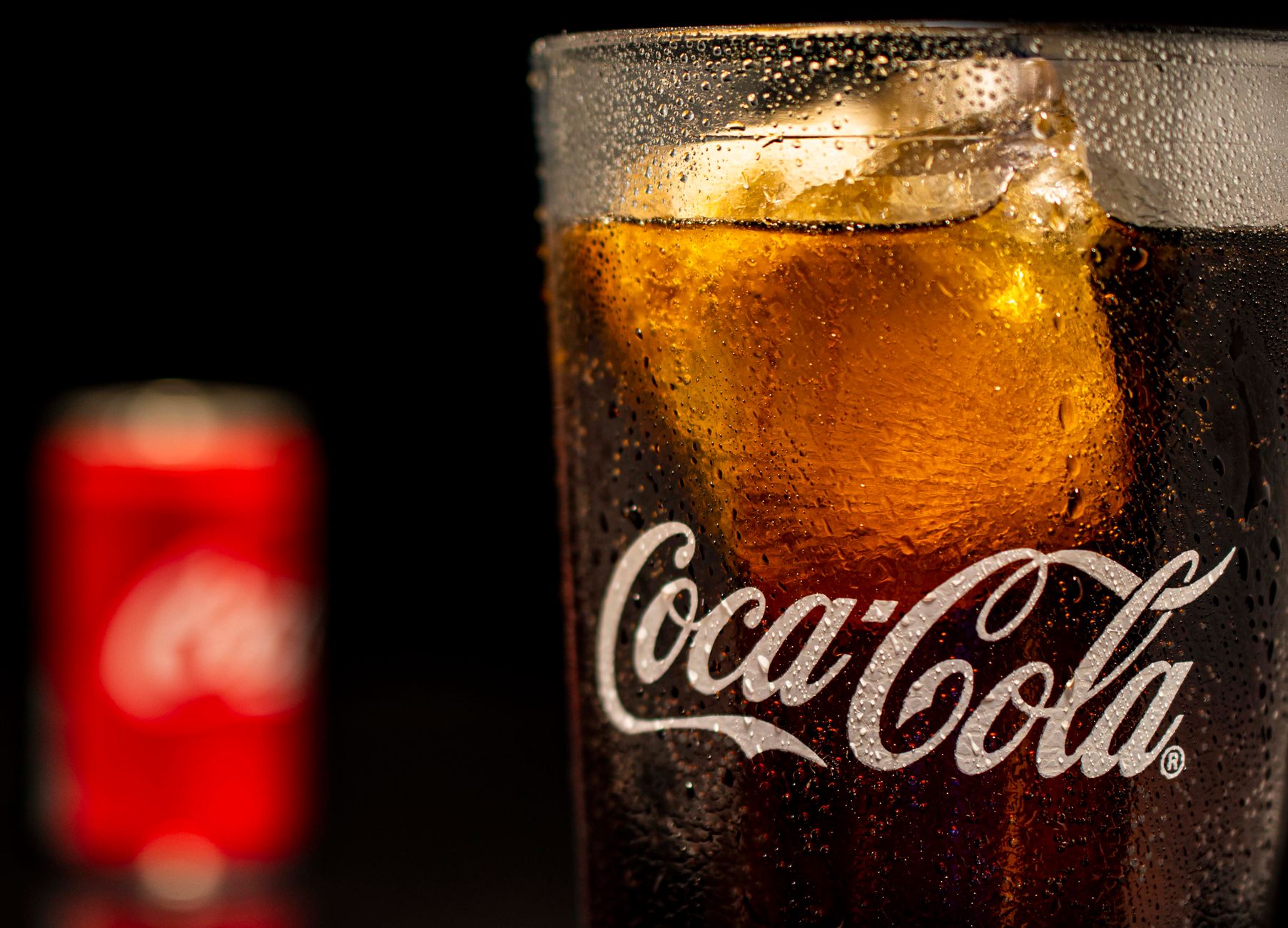
When it comes to sodas, it’s natural to wonder about their nutritional content, especially if you’re keeping a check on your cholesterol levels. Understanding whether soda contains cholesterol is essential for those managing their dietary habits. This article will delve into the key components of soda, clarify the question at hand, and provide handy tips for your beverage choices.
Soda is a popular beverage choice, offering a wide range of flavors and styles, but it often comes with questions about its health impact. Specifically, we’ll explore what contributes to its nutritional profile, including sweeteners, acids, and carbonation, while answering whether these components introduce cholesterol into the mix.
Does Soda Have Cholesterol?
No, soda does not contain cholesterol. Cholesterol is a substance found primarily in animal products, such as meat, dairy, and eggs. Since soda is made from carbonated water, sweeteners, and flavorings — none of which are derived from animal sources — it does not contain cholesterol.
The Ingredients of Soda
To get a full picture of soda and its implications for your health, let’s take a closer look at its typical ingredients and their roles.
1. Carbonated Water
The main ingredient in most sodas is carbonated water, which provides the refreshing fizz. This ingredient contains no calories, no sugar, and importantly, no cholesterol.
2. Sweeteners
Sodas typically include sweeteners, which may be either natural or artificial. Common sweeteners include:
- Sucrose: Table sugar, derived from sugarcane or sugar beets.
- High-Fructose Corn Syrup: A common sweetener in many sodas made from corn starch.
- Artificial Sweeteners: Such as aspartame, saccharin, or sucralose, often used in diet sodas.
None of these sweeteners contains cholesterol, although consumption should be moderated due to their impact on overall health, including potential effects on metabolic processes.
3. Natural and Artificial Flavors
Flavoring agents are often added to enhance the taste of soda. These can be derived from natural sources or created artificially. As with other components, these flavorings do not contribute cholesterol.
4. Acids
Common acids found in soda, like citric acid or phosphoric acid, contribute to flavor and preservation. These acids are not sourced from animal products, ensuring that they remain cholesterol-free.
5. Caffeine (Optional)
Some sodas contain caffeine, which is naturally found in coffee, tea, and certain plants. Caffeine has no cholesterol content and acts more as a stimulant than as a nutritional component.
The Impact of Soda on Health
While soda does not contain cholesterol, its intake may still influence overall health, particularly cardiovascular health. Here are some relevant considerations:
1. Sugar Content
Many sodas are high in sugar, which can contribute to weight gain and increased risk of developing type 2 diabetes. Excess sugar can lead to high blood pressure and elevated triglyceride levels, both of which are risk factors for heart disease.
2. Diet Sodas
Diet sodas, while lower in calories, use artificial sweeteners. Some studies suggest these might not be the best alternative for health as they can affect gut health and appetite regulation. Balance is key; moderation is crucial, regardless of the type of soda.
3. Acid Reflux and Tooth Decay
The acids in soda can lead to tooth enamel erosion and may aggravate acid reflux in susceptible individuals. If you are concerned about either, it might be worth limiting consumption.
Serving Tips for Soda Consumption
When enjoying soda, there are several strategies you can employ to minimize potential negative health effects:
1. Smaller Portions
Consider opting for smaller sizes when purchasing soda. A 12-ounce can is far more manageable and can help control calorie and sugar intake compared to larger bottles or fountain drinks.
2. Moderation
It’s best to limit soda consumption to occasional treats rather than everyday beverages. Try to substitute with water, herbal teas, or sparkling water, which provide hydration without added sugar.
3. Pair with Healthy Meals
When consuming soda, consider pairing it with a balanced meal that includes protein, fiber, and healthy fats, which can help balance blood sugar levels and mitigate the impact of soda’s sugar content.
4. Experiment with DIY Sodas
For a healthier alternative, consider making your own soda at home using carbonated water and natural fruit juices or flavored extracts. This way, you can control the sugar content while enjoying a fizzy drink.
Alternatives to Soda
If you’re looking to cut soda out of your diet or find a healthier substitute, there are numerous alternatives worth considering:
- Flavored Sparkling Water: Offers fizz without added sugars or artificial ingredients.
- Homemade Fruit Spritzers: Mix your favorite fruit juices with sparkling water for a refreshing treat.
- Herbal Iced Teas: Infuse water with herbs or fruit for a naturally flavored beverage.
- Kombucha: A naturally fermented beverage that offers probiotics and a unique flavor.
Conclusion
In summary, soda does not contain cholesterol due to its primarily non-animal based ingredients. However, it’s important to monitor your consumption of soda and its substitutes for better health outcomes. By understanding what goes into your beverages and making informed choices, you can enjoy your favorites while maintaining a balanced diet.
For more information on healthy eating choices, explore our guides on healthy drink alternatives or check out our tips for meal prepping basics to help streamline your eating habits.