
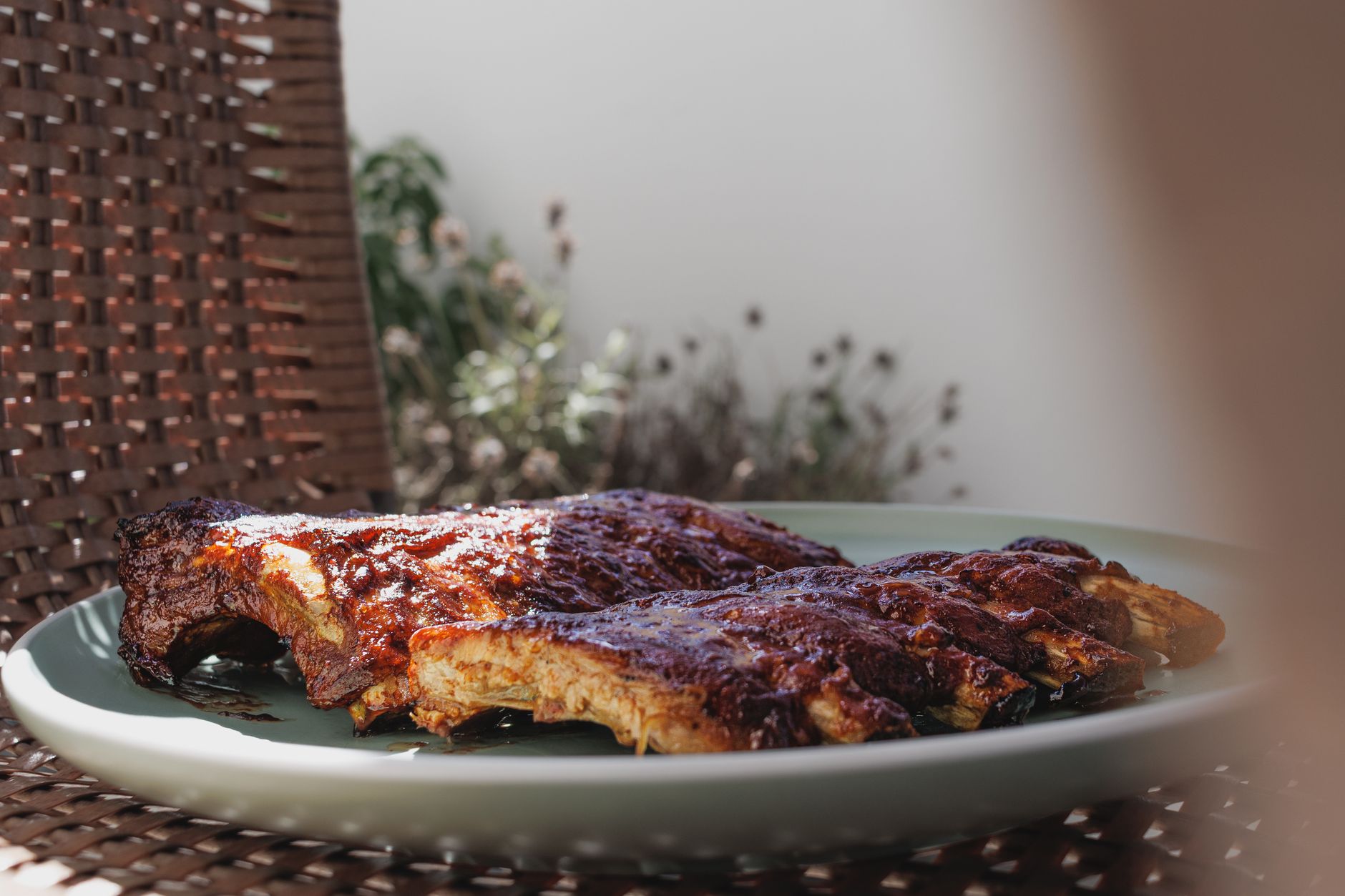
Baby back ribs are a beloved dish known for their tender meat and flavorful seasoning. Whether you’re cooking them on a grill, in the oven, or in a slow cooker, it’s crucial to know when they are done to achieve the perfect texture and taste. This guide will help you understand the signs of doneness, appropriate cooking times, and temperatures for baby back ribs.
Knowing when baby back ribs are done not only enhances your culinary skills but also ensures safe and delicious eating. The guide will cover cooking methods, timing, temperature guidelines, and additional tips to help you achieve mouthwatering ribs every time.
When Are Baby Back Ribs Done?
Baby back ribs are typically done when they reach an internal temperature of 195°F to 203°F (90°C to 95°C), which results in tender, falling-off-the-bone meat. The cooking time can vary based on the method used, but achieving the right doneness is critical for flavor and texture.
Understanding Baby Back Ribs
Before delving into cooking methods, it’s essential to understand what baby back ribs are. These ribs are cut from the top of the rib cage between the spine and the spare ribs and are shorter, leaner, and more tender than spare ribs. They usually contain more meat and less fat, making them popular among barbecue enthusiasts.
Choosing the Right Cooking Method
There are several ways to cook baby back ribs, including grilling, baking, and slow cooking. Each method offers unique flavors and textures, as well as variance in cooking times. Here’s a breakdown of each method:
Grilling Baby Back Ribs
Grilling is a classic method that infuses the ribs with a smoky flavor. Cooking baby back ribs on a grill typically requires indirect heat to ensure even cooking without burning.
- Preparation Time: 15 minutes
- Cooking Time: 2 to 3 hours
- Total Time: 2 hours 15 minutes to 3 hours 15 minutes
Baking Baby Back Ribs
Baking ribs in the oven is a great option for those without outdoor grilling equipment. The slow and consistent heat of an oven helps break down the connective tissues in the meat.
- Preparation Time: 15 minutes
- Cooking Time: 2.5 to 3 hours
- Total Time: 2 hours 15 minutes to 3 hours 15 minutes
Slow Cooking Baby Back Ribs
A slow cooker provides a low and slow cooking method that yields exceptionally tender ribs. This method works well for busy cooks who want to set and forget.
- Preparation Time: 15 minutes
- Cooking Time: 6 to 8 hours on low
- Total Time: 6 hours 15 minutes to 8 hours 15 minutes
Cooking Times and Temperatures
Cooking time changes based on the method used. Monitoring the internal temperature is crucial to ensure the ribs are cooked to perfection. Here’s a general guideline for each method:
Grilling
- Prepare the grill for indirect cooking and heat it to around 225°F to 250°F (107°C to 121°C).
- Place the ribs on the grill, bone side down.
- Cook for about 2 to 3 hours, checking for doneness with a meat thermometer.
- The ribs should reach an internal temperature of 195°F to 203°F (90°C to 95°C).
Baking
- Preheat the oven to 300°F (149°C).
- Wrap the ribs in aluminum foil to keep moisture locked in.
- Bake for 2.5 to 3 hours, ensuring that the internal temperature reaches 195°F to 203°F (90°C to 95°C).
Slow Cooking
- Season the ribs with your desired rub or marinade.
- Place them in the slow cooker, set to low.
- Cook for 6 to 8 hours, or until the internal temperature reaches 195°F to 203°F (90°C to 95°C).
Signs of Doneness
While internal temperature is the most reliable method to confirm doneness, several visual and textural cues indicate that your baby back ribs are ready:
- Color: The ribs should have a rich, appealing color, usually a deep reddish-brown from the rub or marinade.
- Texture: Once cooked, the meat should easily pull away from the bone but not fall off entirely.
- Bend Test: When you gently lift the ribs with tongs, they should bend slightly but not break.
Common Mistakes to Avoid
When cooking baby back ribs, certain mistakes can hinder your success. Here’s what to watch out for:
- Not Prepping Properly: Failing to remove the membrane from the back of the ribs can lead to chewy ribs. Always start by removing this tough layer.
- Too Much Heat: Cooking ribs at too high a temperature can lead to charred exteriors and undercooked interiors. Maintain a low and steady temperature throughout.
- Overcooking or Undercooking: Overcooked ribs can become dry and flavorless, while undercooked meat may be tough and unsafe. Use a meat thermometer for accuracy.
- Skipping Resting Time: Allow cooked ribs to rest for at least 10 minutes after cooking. This helps the juices redistribute back into the meat.
Flavoring Your Ribs
Enhancing the flavor of baby back ribs is a personal endeavor. Here are some common methods to season your ribs:
Dry Rubs
Applying a dry rub before cooking can create a beautifully caramelized crust. Consider the following components for your rub:
- Brown Sugar: For sweetness.
- Paprika: Adds color and a smoky flavor.
- Cumin: Provides earthiness.
- Garlic Powder and Onion Powder: For depth and richness.
- Salt and Pepper: Essential for overall seasoning.
Marinades
Marinades can provide additional moisture and flavor. A basic marinade might include:
- Apple Cider Vinegar: Adds acidity.
- Worcestershire Sauce: For umami.
- Honey or Maple Syrup: To counteract tanginess with sweetness.
- Garlic and herbs: Such as thyme or rosemary for added fragrance.
Serving Suggestions
Once your baby back ribs are cooked and rested, it’s time to serve them. Consider the following sides and sauces to complement the dish:
- Coleslaw: A crunchy, creamy side that pairs well with smoky flavors.
- Cornbread: Sweet and fluffy, it rounds out a barbecue meal nicely.
- Baked Beans: Adds a hearty, savory element to your serving.
- Barbecue Sauce: Serve on the side, allowing guests to add as much or as little as they’d like.
Make-Ahead and Storage Tips
If you’re planning a barbecue or gathering, preparing ribs ahead of time can save stress. Here are some helpful make-ahead tips:
- Cooking Ahead: You can cook baby back ribs a day in advance. Refrigerate them after cooking. Reheat in the oven or grill before serving.
- Freezing Ribs: If you have leftovers, consider freezing them. Wrap tightly in foil or use an airtight container to prevent freezer burn. Ribs can be stored in the freezer for up to 3 months.
- Reheating: When reheating, warm them slowly in an oven preheated to 250°F (121°C) to keep them moist. Cover them with foil for added moisture.
Conclusion
Cooking baby back ribs to the perfect doneness is essential for an enjoyable dining experience. Monitoring internal temperatures while keeping an eye on visual cues will help ensure your ribs are tender and flavorful. Whether you grill, bake, or slow cook, understanding the signs of doneness will elevate your culinary skills and impress your guests.
For more delicious recipes and cooking tips, explore our Easy Slow Cooker Ribs Recipe and learn how to prepare BBQ ribs in your oven by checking out our BBQ Ribs Recipe Oven.