
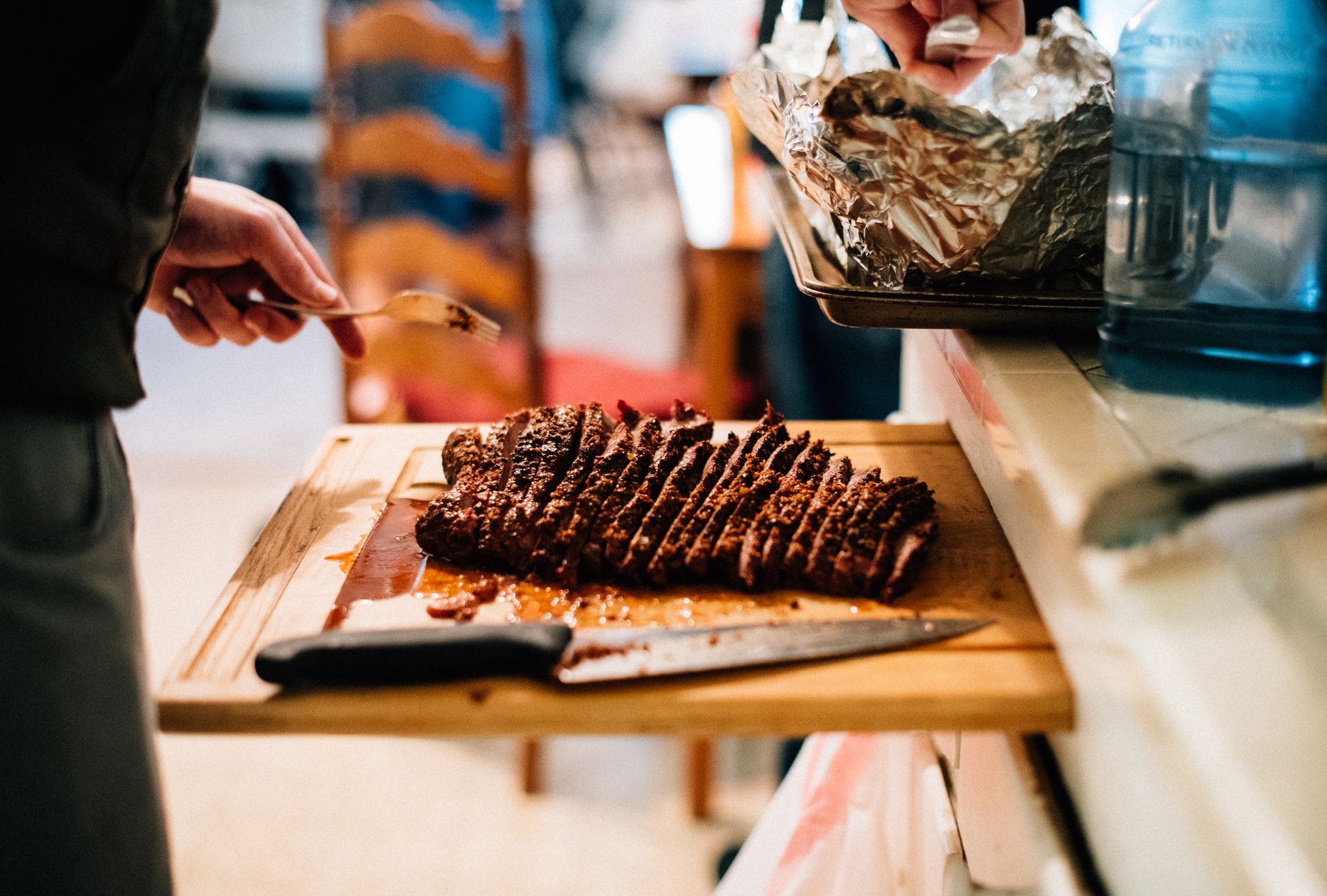
When planning a meal, understanding how much food to prepare is essential, especially when it comes to meat portions. This article will explore how much one pound of beef brisket can feed, helping you determine the appropriate serving sizes for various occasions. With insights on how to cook, serve, and even store brisket, you’ll be well-equipped to count your guests and plan accordingly.
Beef brisket is a popular cut, known for its rich flavor and tenderness when cooked correctly. Whether you’re serving it for a family dinner, a barbecue, or a festive gathering, knowing how many people you can feed with a given amount of brisket can save you from overcooking or under-preparing.
1 Pound of Beef Brisket Feeds How Many?
One pound of beef brisket generally feeds about two to three people, depending on the serving size and the specific meal context. If brisket is the main protein on the plate, aiming for around 4 to 6 ounces per person is reasonable, which would account for bone, fat, and shrinkage during cooking.
Factors Influencing Serving Sizes of Beef Brisket
Several factors influence how much brisket to prepare, which can affect how many servings you’ll get:
- Cooking Method: Different cooking methods can cause varying amounts of shrinkage. Smoking typically results in more loss than braising.
- Meal Context: As a main dish, brisket may require larger servings. If served with generous sides, smaller portions may suffice.
- Audience Appetite: Consider the type of event and the appetites of your guests. Hungry teenagers or adults may require larger portions than kids.
- Accompaniments: The more sides you offer, the less brisket you’ll likely need per person.
How Cooking Techniques Affect Serving Sizes?
The way brisket is prepared affects its final yield. Here are some popular cooking methods and their implications for serving sizes:
Smoking
Smoking brisket typically results in significant shrinkage due to the high temperatures and long cooking times, which can cause fat and connective tissue to break down. Expect about 50% yield; thus, one pound will actually offer around 8 ounces of cooked brisket. This might serve about one to two people if it’s the starring protein.
Braising
Braising helps retain moisture and results in less shrinkage than smoking. Expect about 65% yield, translating to about 10-12 ounces of edible meat. This would provide sufficient portions for about two to three people, given a serving size of 4 to 6 ounces.
Slow Cooking
Using a slow cooker can yield a similar portion to braising, with minimal loss in weight from the beginning. It helps maintain the meat’s juiciness and tenderness, making one pound sufficient for two to three people.
Planning Portion Sizes
For effective meal planning, understanding portion sizes is crucial:
Serving Sizes for Different Occasions
- Everyday Dinner: For a simple family meal, aim for about 4 to 6 ounces of brisket per person. If serving with two or more side dishes, you may successfully feed three to four people with one pound.
- Barbecue or Gathering: At a barbecue, brisket often pairs with other meats and a variety of sides, allowing you to plan for 3 to 4 ounces per person. This way, one pound can feed around three to four guests comfortably.
- Festive Occasion: For an event or festive gathering where sharp appetites are expected, consider up to 6 ounces per person. Here, one pound may serve two guests.
Cooking Techniques for Beef Brisket
Producing the best brisket is not only about the grams and portions; it’s also about the cooking technique you choose. Here are common methods:
Smoking a Brisket
Smoking brisket is favored for its flavor profile. Here’s a quick overview:
- Prepare the brisket by trimming the excess fat—leaving about ¼ inch enhances flavor and renders well during cooking.
- Prepare a rub using salt, black pepper, and any other spices you prefer. Let it rest for 30 minutes.
- Preheat your smoker to 225°F to 250°F (107°C to 121°C), then add your brisket fat-side up.
- Cook low and slow for about 1 to 1.5 hours per pound, until a nice bark has formed and the internal temperature reaches 195°F to 205°F (90°C to 96°C).
- Rest the brisket for at least 30 minutes before slicing to allow the juices to redistribute.
Braising a Brisket
Braising creates a tender, fall-apart brisket:
- First, sear the seasoned brisket in a pan with hot oil to build flavor.
- Add aromatic vegetables, such as onions, carrots, and garlic; cook until soft.
- Deglaze the pan with broth or wine, scraping any browned bits.
- Return the brisket to the pot, cover tightly, and cook in an oven set to 325°F (163°C) for approximately 3-4 hours, or until fork-tender.
Serving Suggestions for Brisket
Once your brisket is cooked, serving it correctly can enhance the dining experience:
- Sandwiches: Slice brisket against the grain and serve in a bun with pickles, onions, and BBQ sauce.
- With Sides: Pair brisket with classic sides, such as coleslaw, baked beans, or macaroni and cheese.
- Sliced Plate: Serve sliced brisket with a drizzle of sauce and sides, allowing the meat to shine.
Storage and Reheating Tips
Properly storing cooked brisket ensures that it remains flavorful for future meals:
- Refrigeration: Store leftovers in an airtight container in the refrigerator for up to 3-4 days.
- Freezing: If you have more than a few leftovers, consider freezing brisket for longer storage. Wrap tightly in plastic and aluminum foil to prevent freezer burn.
- Reheating: Use low heat in the oven or a slow cooker to gently warm brisket. Avoid microwaving, as it can dry out the meat.
Common Mistakes with Brisket
A few pitfalls can affect the preparation of brisket:
- Overcooking: While brisket thrives in long cooking times, it can become dry if left unattended. Use a meat thermometer for best results.
- Incorrect Slicing: Always slice brisket against the grain to ensure tenderness. Slicing with the grain can lead to tough, chewy pieces.
- Unsufficient Resting Time: Skipping the resting period after cooking can lead to dry meat. Let it rest for at least 30 minutes before slicing.
Conclusion
Determining how many people can be fed with one pound of beef brisket revolves around multiple factors, from cooking methods to guests’ appetites. Acknowledging the context, cooking techniques, and serving sizes will enable you to skillfully plan a meal that satisfies everyone at your table.
Now that you’re armed with knowledge on beef brisket serving sizes and cooking techniques, consider your next culinary adventure—should it be slow-cooked brisket or a smoked masterpiece? Explore related recipes, cooking tips, and food guides to elevate your cooking skills further.
For additional reading, check out our suggestions on how long ground beef is good for in the fridge and a beef stew seasoning recipe.