
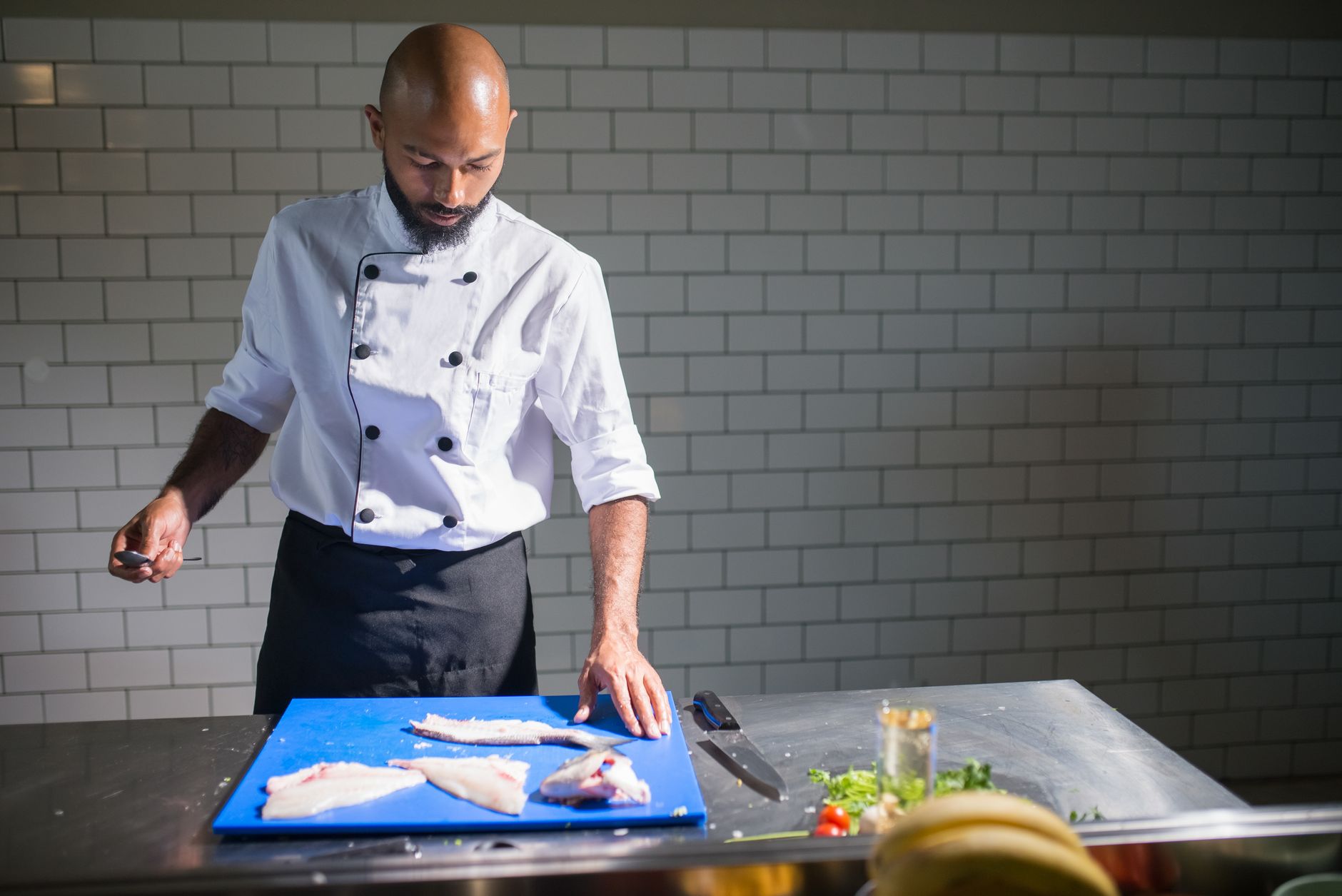
Cooking fish can be a delicate process, balancing flavor, texture, and safety. Understanding the ideal temperature for cooking various types of fish is crucial. This guide will provide you with everything you need to know about cooking fish to the right temperature, ensuring the perfect doneness every time.
In this article, we will discuss the recommended cooking temperatures for different types of fish, cooking methods, doneness tips, and how to avoid common mistakes. Whether you’re pan-frying, baking, or grilling, mastering the art of cooking fish can elevate your culinary skills.
What Temperature Do You Cook Fish To?
The ideal cooking temperature for fish typically ranges from 145°F (63°C) to 165°F (74°C). Cooking fish to a minimum internal temperature of 145°F is essential to ensure safety and eliminate harmful bacteria. For some delicate fish varieties, slightly lower temperatures can yield better texture and moisture without compromising safety.
Recommended Cooking Temperatures for Different Fish Types
Different types of fish have unique textures and fat contents, influencing their ideal cooking temperatures. Here’s a comprehensive guide to the most common varieties.
Lean Fish
Lean fish, such as cod, haddock, and tilapia, have lower fat content. They should be cooked to an internal temperature of 145°F (63°C). At this temperature, the flesh is opaque and flakes easily with a fork.
Fatty Fish
Fatty fish, including salmon, mackerel, and sardines, can be enjoyed at slightly lower temperatures, around 125°F to 145°F (52°C to 63°C). Cooking these fish to a lower temperature preserves their moistness and rich flavor.
Shellfish
Shellfish, such as shrimp and scallops, should be cooked until they reach 145°F (63°C). Their flesh should turn opaque and firm while remaining tender. Overcooking can lead to a tough texture.
Cooking Methods and Timing
Different cooking methods can affect timing, flavor, and texture. Let’s discuss various techniques you can use to prepare fish effectively.
Grilling Fish
- Preheat the grill to medium-high heat (about 375°F to 450°F).
- Apply oil to the fish to prevent sticking and enhance flavor.
- Cook the fish for about 4 to 6 minutes per side, depending on thickness.
- Use a food thermometer to check for doneness; it should reach a minimum of 145°F (63°C).
Grilled fish has a delightful char and smoke flavor, making it a favorite for summertime meals.
Pan-Frying Fish
- Heat a non-stick skillet over medium heat and add oil.
- Cook the fish for 3 to 5 minutes per side.
- Check for doneness with a food thermometer, ensuring it reaches 145°F (63°C).
Pan-frying fish provides a crispy texture while keeping the inside tender and flaky.
Baking Fish
- Preheat the oven to 375°F (190°C).
- Place the fish in a baking dish and season as desired.
- Bake for 15 to 20 minutes, depending on thickness.
- Ensure it reaches an internal temperature of 145°F (63°C).
Baking is a gentle cooking method that helps retain moisture in fish, perfect for lean varieties.
Poaching Fish
- Fill a pot with water, broth, or wine and bring it to a simmer.
- Add the fish, ensuring it’s submerged.
- Cook for around 10 to 15 minutes until it reaches 145°F (63°C).
Poached fish is flavorful and incredibly moist, making it a healthy option.
Broiling Fish
- Preheat the broiler on high.
- Place the fish on a broiler pan to allow air circulation.
- Cook for 4 to 6 minutes, checking for doneness.
- The fish should flake easily and reach 145°F (63°C).
Broiling creates a beautifully browned exterior while keeping the interior juicy.
Doneness Tips for Cooking Fish
Getting the doneness right can be tricky. Here are important tips that will help you cook fish perfectly every time.
Visual Cues
- The flesh should turn opaque and begin to flake easily.
- For fatty fish, the texture should remain moist and slightly translucent in the center if cooked to lower temperatures.
Timing
As a general rule, fish typically cooks for about 10 minutes per inch of thickness, regardless of cooking method. Keep this in mind while preparing your meal.
Using a Food Thermometer
A food thermometer is the most reliable method for checking doneness. Insert it into the thickest part of the fish to ensure accurate readings without touching bone.
Common Mistakes and Troubleshooting
Even experienced cooks make mistakes! Here are some common pitfalls when cooking fish and how to avoid them.
Overcooking Fish
Overcooking can lead to dry, tough fish. Use a timer and check the internal temperature regularly when the fish is close to done. Remember, fish continues to cook even after it’s removed from heat.
Not Preheating the Cooking Surface
Failing to preheat the grill or pan can result in sticking and uneven cooking. Always ensure your cooking surface is at the right temperature before adding the fish.
Using Frozen Fish Improperly
If you’re using frozen fish, it’s essential to thaw it properly before cooking. The safest way is to place it in the refrigerator overnight. Alternatively, you can run it under cold water for quicker thawing.
Substitutes and Variations
When cooking fish, you might want to explore substitutes or variations. Here are a few ideas:
Substituting Different Fish
Swap fish based on texture and flavor profile. For instance, tilapia can be substituted with cod or haddock. Salmon can be replaced with trout or mackerel for a fatty variety. Just ensure similar cooking temperatures and timings apply.
Herbs and Spices Variations
Experiment with seasonings. Dill, parsley, or paprika can enhance the flavor of your dish. Marinades or rubs can also help improve moisture and enhance taste.
Storage and Reheating Fish
Proper storage is essential for maintaining fish quality and safety. Here’s how to handle leftovers:
Storing Cooked Fish
- Refrigerate any leftover fish in an airtight container.
- Consume within three days for the best quality.
Reheating Fish
To reheat, place the fish in a preheated oven at 350°F (175°C) for about 10 minutes. You can also reheat on low power in a microwave, but be aware it may dry out the fish.
Serving Suggestions
Pair your perfectly cooked fish with complementary sides for a complete meal. Here are some suggestions:
- Serve grilled salmon with a fresh salad for a light meal.
- Baked cod paired with sautéed vegetables and brown rice makes for a hearty dinner.
- Poached tilapia over a bed of couscous and roasted cherry tomatoes offers a flavorful option.
Considering ingredient pairings enhances the overall dining experience.
Conclusion
Cooking fish to the right temperature is essential for flavor, texture, and safety. Remember to check for doneness with a thermometer, and experiment with various cooking methods to find what you enjoy most.
Explore more culinary tips and perfect your meals with related recipes and cooking guidance. Check out how to cook tilapia or discover how long to cook fresh green beans for additional ideas!