
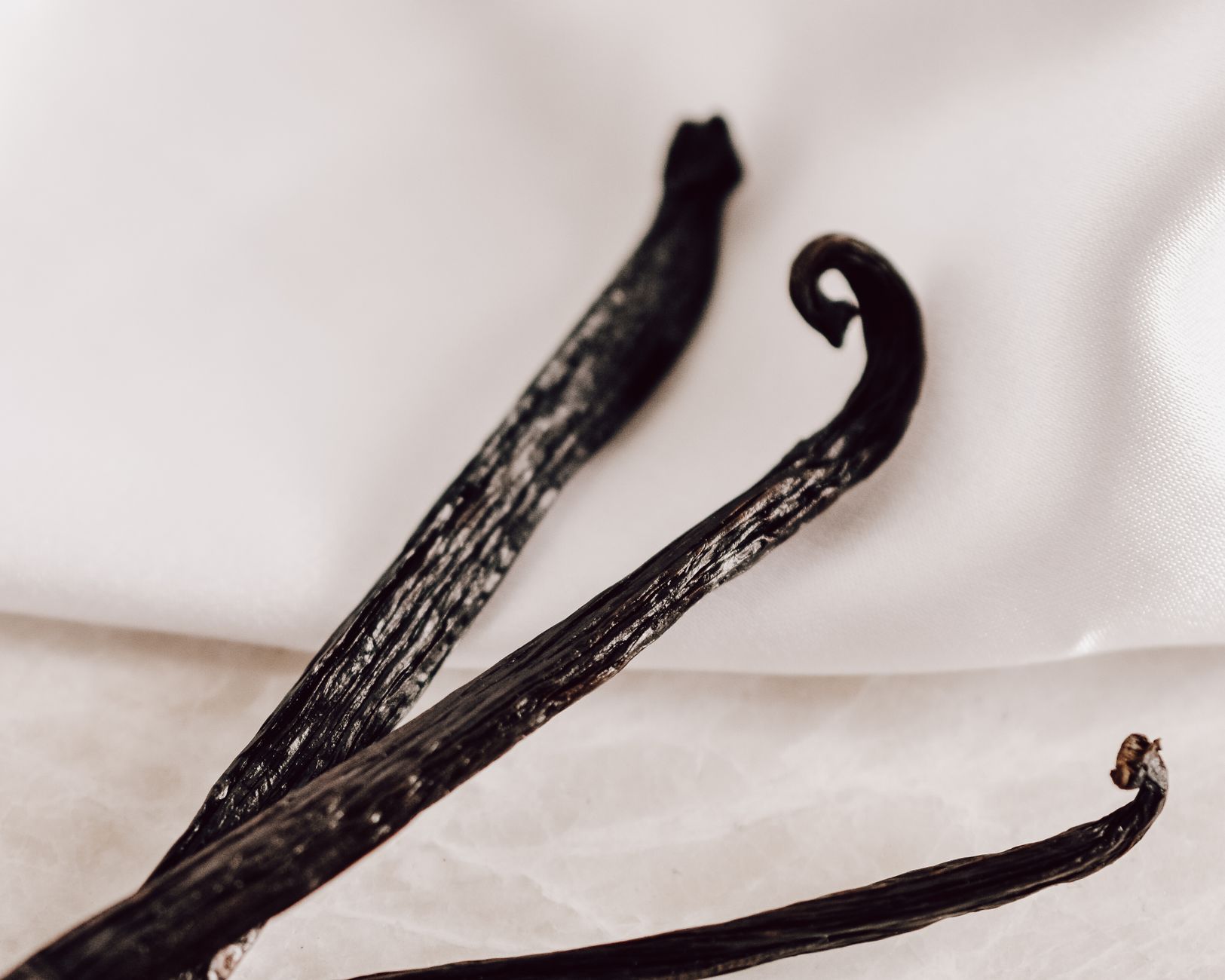
When it comes to flavoring foods, few ingredients hold a candle to vanilla. Used in everything from baked goods to drinks, its sweet and creamy notes enhance a myriad of dishes. Yet, beyond its delicious taste, many wonder: Is vanilla good for you?
This article delves into the nutritional facts of vanilla, its health benefits, potential concerns, and how to incorporate it into your diet. Let’s discover whether this beloved flavor is not only a culinary delight but also a nutritious addition to your recipes.
Is Vanilla Good for You?
Vanilla, particularly in its pure and natural forms, offers several health benefits due to its antioxidant properties and essential oils. These elements may contribute to overall wellness, making vanilla not just a flavor enhancer but also a valuable ingredient in your diet.
Nutritional Profile of Vanilla
Vanilla comes in various forms, including vanilla beans, vanilla extract, and vanilla powder. Each has its own nutritional profile:
- Vanilla Beans: Whole vanilla beans contain essential oils, such as vanillin, which contributes to their flavor and aroma. They also contain small amounts of fiber and micronutrients.
- Vanilla Extract: Pure vanilla extract is made by soaking vanilla beans in alcohol. A teaspoon contains around 12 calories, and while it has minimal nutrients, it retains the antioxidant properties of the beans.
- Vanilla Powder: This is typically made from ground vanilla beans. It carries a similar nutritional profile to vanilla beans and can be used as a sugar substitute in recipes.
Health Benefits of Vanilla
Incorporating vanilla into your diet can offer several health benefits:
1. Antioxidant Properties
Vanilla contains antioxidants that help combat oxidative stress in the body. Oxidative stress can lead to inflammation and chronic diseases. The antioxidants in vanilla neutralize free radicals, potentially benefiting overall health.
2. Mood Enhancement
The delightful scent of vanilla has been linked to improved mood and reduced anxiety. Aromatherapy practices often utilize vanilla for its calming effects, promoting relaxation and happiness.
3. Potential Anti-Inflammatory Effects
Some studies suggest that compounds found in vanilla may have anti-inflammatory properties. This can help in reducing inflammation in the body, supporting general health and potentially alleviating chronic conditions.
4. Possible Cancer Prevention
Research has shown that the compounds in vanilla extract, particularly vanillin, may exhibit anti-cancer properties. While more research is needed, these findings are promising and warrant further investigation.
5. Nutritional Benefits
Vanilla is a source of B-vitamins, which play a vital role in energy metabolism. Additionally, the minerals present contribute to overall nutrient intake, making it a flavorful way to enhance your meals without excess calories.
Considerations When Using Vanilla
While vanilla can be good for you, there are some considerations to keep in mind:
1. Sugar Content
Many commercial vanilla flavorings are combined with sugar or high-fructose corn syrup. It’s essential to check labels and opt for pure vanilla extract or whole beans to avoid added sugars that could negate health benefits.
2. Alcohol Content
Pure vanilla extracts often contain alcohol, used in the extraction process. While the amount is minimal when used in cooking, those avoiding alcohol may want to choose alcohol-free options.
3. Allergies and Sensitivities
AllERGIC reactions to vanilla are rare but can occur in sensitive individuals. If you experience any adverse reactions, consider consulting a health professional.
Incorporating Vanilla Into Your Diet
There are countless ways to enjoy the flavor and benefits of vanilla in your meals. Here are some practical suggestions:
1. Smoothies
Add a splash of pure vanilla extract or a few seeds from a vanilla bean to your smoothies. It complements fruits and adds a rich flavor without overpowering other ingredients.
2. Baked Goods
Vanilla is a crucial ingredient in many baked recipes like cakes, cookies, and muffins. Use pure vanilla extract instead of artificial flavoring for a more authentic taste and potential health benefits.
3. Oatmeal and Cereal
Add a few drops of vanilla extract to your morning oatmeal or cereal for enhanced flavor. It pairs well with various toppings like fresh fruits, nuts, or a drizzle of honey.
4. Coffee and Tea
Infuse your coffee or tea with vanilla by adding vanilla extract. This delicious twist offers a unique flavor profile and can reduce the need for added sugar.
5. Desserts
Vanilla pairs excellently with ice creams, puddings, and custards. Consider using natural ingredients to keep desserts health-conscious. Vanilla bean ice cream provides a luxurious treat while keeping added sugars in check.
Substitutions for Vanilla
In recipes, if you find yourself out of vanilla or simply wish to try something different, there are viable alternatives:
- Almond Extract: This provides a nutty flavor but can be stronger than vanilla, so use a smaller amount—typically 1/4 teaspoon for every teaspoon of vanilla.
- Maple Syrup: Offers a sweet, caramelized flavor that works well in baking. Use an equal amount as vanilla.
- Coconut Extract: This can add tropical notes but will alter the flavor profile. Use half the amount of coconut extract compared to vanilla.
Common Mistakes When Using Vanilla
When cooking and baking with vanilla, avoid these common pitfalls:
- Using Imitation Vanilla: While cheaper, it lacks the complexity and health benefits of pure vanilla. It’s best to choose high-quality vanilla for optimal results.
- Skipping Vanilla in Recipes: Many recipes rely on vanilla for balance and depth of flavor. Omitting it or using too little may lead to disappointing results.
- Using Too Much: Overusing vanilla can lead to an overpowering flavor. Stick to recommended amounts—typically one teaspoon for most recipes.
Storage and Shelf Life of Vanilla
Proper storage plays a crucial role in maintaining vanilla’s flavor and quality:
1. Whole Vanilla Beans
Keep whole vanilla beans in an airtight container in a cool, dark place. Properly stored, they can last for up to a year or more.
2. Vanilla Extract
Store vanilla extract in a cool, dark place. Its high alcohol content helps preserve it, allowing it to last indefinitely if unopened. Once opened, it remains good for several years.
3. Vanilla Powder
Store vanilla powder in an airtight container away from heat and light. When stored properly, it can last up to two years.
Conclusion
Vanilla is more than just a flavorful ingredient; it offers potential health benefits and enhances many dishes. By opting for pure varieties and using it in various culinary applications, you can enjoy its delightful taste while reaping its nutritional rewards. Whether you’re baking a cake, blending a smoothie, or brewing a cozy cup of coffee, consider adding vanilla for both flavor and health benefits.
As you explore the world of vanilla, you might also find it helpful to learn about ingredient substitutions, like checking out what to use as a replacement for vanilla extract or discovering how to create your own vanilla sugar. Embrace the versatility of this delicious flavor.