
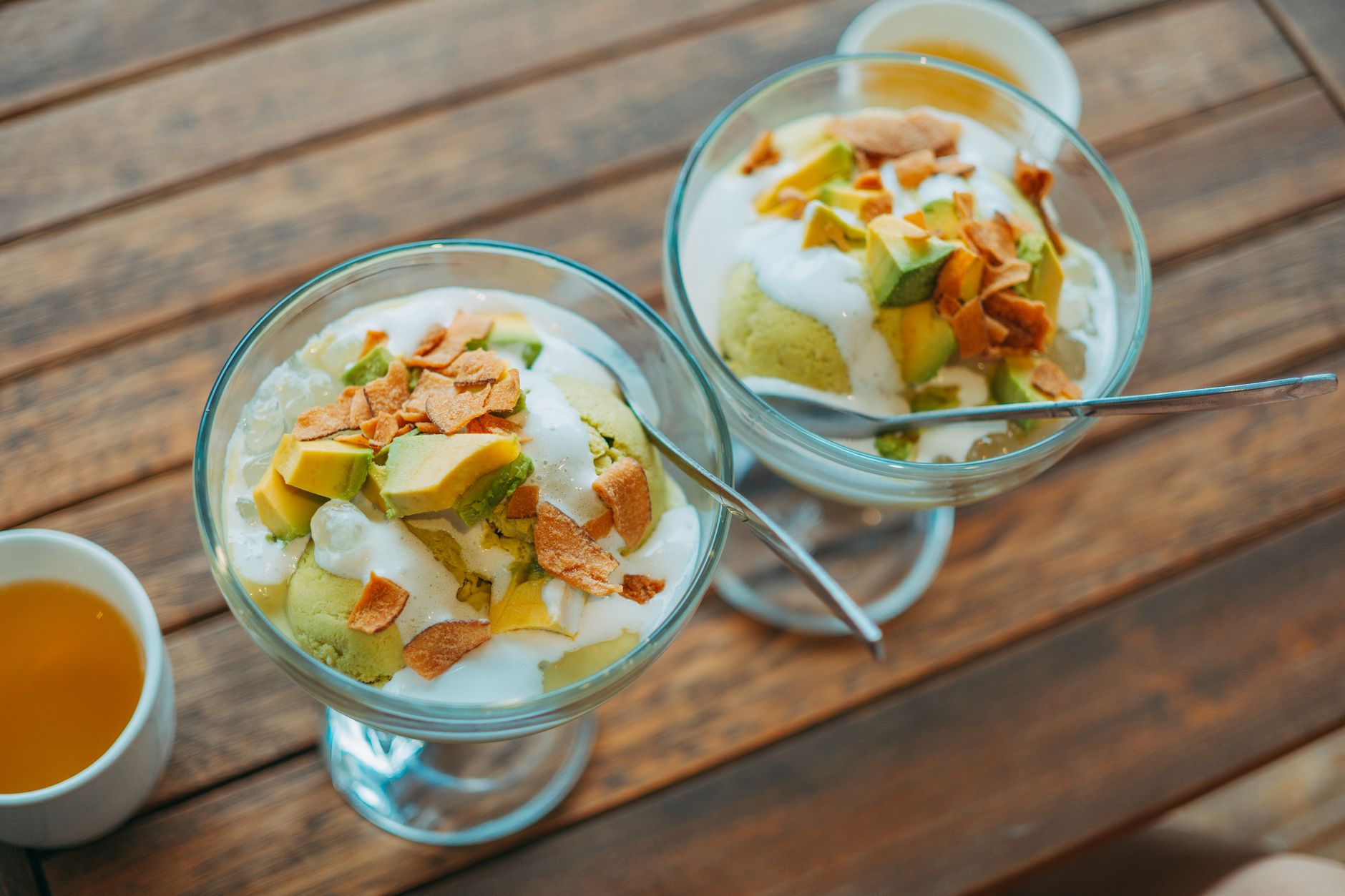
Coconut cream is an incredibly versatile ingredient that adds a rich, creamy, and tropical flavor to a variety of dishes. From desserts to savory meals, it can easily elevate your cooking and baking. In this guide, we will explore what to do with coconut cream, including inventive recipes and serving tips that will brighten your culinary creations.
This article will cover practical applications of coconut cream, ideas for incorporating it into recipes, tips for proper storage, and answers to common questions about this delightful ingredient. Whether you’re seeking inspiration for breakfast, lunch, dinner, or even snacks and drinks, you’ll find plenty of utilitarian suggestions and guidance here.
What to Do with Coconut Cream?
Coconut cream can be used in various ways, including as a creamy base for soups, a dairy alternative in desserts, or a flavorful ingredient in curry dishes. Its unique flavor, combined with its ability to add richness without dairy, makes it popular in vegan and gluten-free recipes.
Understanding Coconut Cream
Coconut cream is made from the flesh of mature coconuts. The high oil content of coconut meat separates the cream from the water, resulting in a thick, luscious product. It’s often confused with coconut milk, which is thinner and contains more water. That said, coconut cream can be substituted for coconut milk in recipes if you adjust the liquid content. Typically, coconut cream is used in recipes that require a decadent and rich coconut flavor.
Key Uses for Coconut Cream
Desserts
- Coconut Whipped Cream: Use chilled coconut cream to make a delightful alternative to traditional whipped cream. Simply whip it with a bit of sugar and vanilla extract until light and fluffy. It pairs beautifully with cakes, fruits, or as a topping for pancakes.
- Pies and Tarts: Coconut cream can be a luxurious ingredient in recipes for coconut cream pie or no-bake tarts, adding richness and flavor.
- Ice Cream and Sorbet: Incorporate coconut cream into homemade ice cream or sorbet recipes for a tropical twist.
- Chia Pudding: Combine coconut cream with chia seeds, sweetener, and flavorings like vanilla or cocoa for a creamy, healthy dessert. You can find more details in our Chia Pudding Recipe.
Savory Dishes
- Curries: Coconut cream is a staple in many curry recipes, adding a creamy texture and a hint of sweetness that balances spices beautifully.
- Soups: Use coconut cream in soups like a coconut curry soup or pumpkin coconut soup to achieve a rich and hearty texture.
- Stir-fries: Drizzle a little coconut cream over stir-fried vegetables or protein for a creamy finish and added flavor.
- Sauces: Incorporate coconut cream into sauces to enrich the flavors; it can transform simple sauces into something luxurious.
Drinks
- Smoothies: Blend coconut cream into smoothies for creaminess and a tropical flavor. Pair it with fruits like bananas and mangoes for a refreshing drink.
- Coconut Cocktails: Use coconut cream in cocktails such as piña coladas or coconut mojitos for an indulgent the flavor.
- Hot Beverages: Stir coconut cream into coffee or tea for a rich, creamy finish that adds depth to your drink.
Popular Recipes Using Coconut Cream
Coconut Rice Pudding
This comforting dessert combines the warmth of rice pudding with the tropical notes of coconut. It’s creamy, satisfying, and simple to make.
Yield: 4 servings
Preparation Time: 10 minutes
Cooking Time: 30 minutes
Total Time: 40 minutes
Ingredients:
- 1 cup rice (short or medium grain preferred)
- 2 cups coconut cream
- 1 cup water
- 1/2 cup sugar (adjust to taste)
- 1 tsp vanilla extract
- 1/4 tsp salt
- Optional toppings: toasted coconut flakes, fresh fruit, cinnamon
Instructions:
- In a medium saucepan, combine rice, coconut cream, water, sugar, vanilla extract, and salt. Stir well to combine.
- Bring the mixture to a boil over medium heat, then reduce heat to low. Cover and simmer for approximately 25-30 minutes, stirring occasionally, until the rice is tender and the mixture is creamy.
- Remove from heat and let it sit for 5 minutes to thicken.
- Serve warm or chilled, topped with toasted coconut flakes or fresh fruit if desired.
Coconut Cream Curry
This rich and creamy curry is a delicious way to enjoy coconut cream, packed with vegetables and spices.
Yield: 4 servings
Preparation Time: 15 minutes
Cooking Time: 30 minutes
Total Time: 45 minutes
Ingredients:
- 1 tablespoon coconut oil
- 1 onion, diced
- 2 garlic cloves, minced
- 1 tablespoon ginger, minced
- 2 tablespoons curry powder
- 1 can (14 oz) coconut cream
- 2 cups mixed vegetables (e.g., bell peppers, carrots, spinach)
- 1 cup vegetable broth
- Salt and pepper to taste
- Fresh cilantro for garnish
Instructions:
- In a large skillet, heat coconut oil over medium heat. Add diced onion and sauté until translucent, about 4-5 minutes.
- Add minced garlic and ginger, and sauté for an additional 1-2 minutes.
- Stir in the curry powder and cook for 1 minute until fragrant.
- Add the mixed vegetables, coconut cream, and vegetable broth. Stir well to combine, and bring to a gentle simmer.
- Cook for 15-20 minutes, until the vegetables are tender. Season with salt and pepper to taste.
- Garnish with fresh cilantro before serving. Enjoy it with rice or naan.
Practical Tips for Working with Coconut Cream
Storage and Handling
- Storage: Store unopened coconut cream cans at room temperature. Once opened, keep the cream in a sealed container in the refrigerator for up to 4-5 days. Re-stir before using, as it may separate.
- Freezing: Coconut cream can be frozen in an airtight container for up to three months for longer storage. When ready to use, thaw in the fridge overnight and re-stir before use.
- Chilling for Whipping: If you plan to whip coconut cream, place the can in the refrigerator overnight. This causes the cream to solidify, making it easier to whip.
Common Mistakes to Avoid
- Choosing Low-Fat Versions: Avoid low-fat coconut creams as they often contain fillers that can affect texture and flavor when used in recipes.
- Overheating Coconut Cream: When adding coconut cream to hot dishes, ensure not to boil it. Boiling can cause it to separate and lose its creamy texture.
- Substituting Coconut Milk Directly: If using coconut milk instead of coconut cream, be aware of the additional liquid. Adjust soup or sauce quantities to prevent excessive thinness.
Ingredient Substitutions
If you find yourself without coconut cream, there are several substitutions you can consider. Keep in mind that flavor and texture may vary:
- Coconut Milk: If you’re in a pinch, use coconut milk and reduce the amount of liquid in your recipe to achieve a thicker consistency.
- Heavy Cream: For a non-dairy alternative, heavy cream can work well in desserts but will change the flavor profile.
- Silken Tofu: Blended silken tofu can serve as a dairy-free substitution for coconut cream in smoothies and desserts. It does not impart the same coconut flavor, so consider adding coconut extract or vanilla as well.
Conclusion
Coconut cream is a fantastic and versatile ingredient that can enhance your cooking, whether you’re making desserts, savory dishes, or beverages. It brings a unique flavor and creamy texture that elevates each recipe it graces. With the suggestions and recipes provided, you can effortlessly experiment with coconut cream in your kitchen.
If you’re looking for more recipes with coconut, you might check out our guide on Coconut Cookies or the delicious Chia Pudding Recipe featuring coconut milk.