
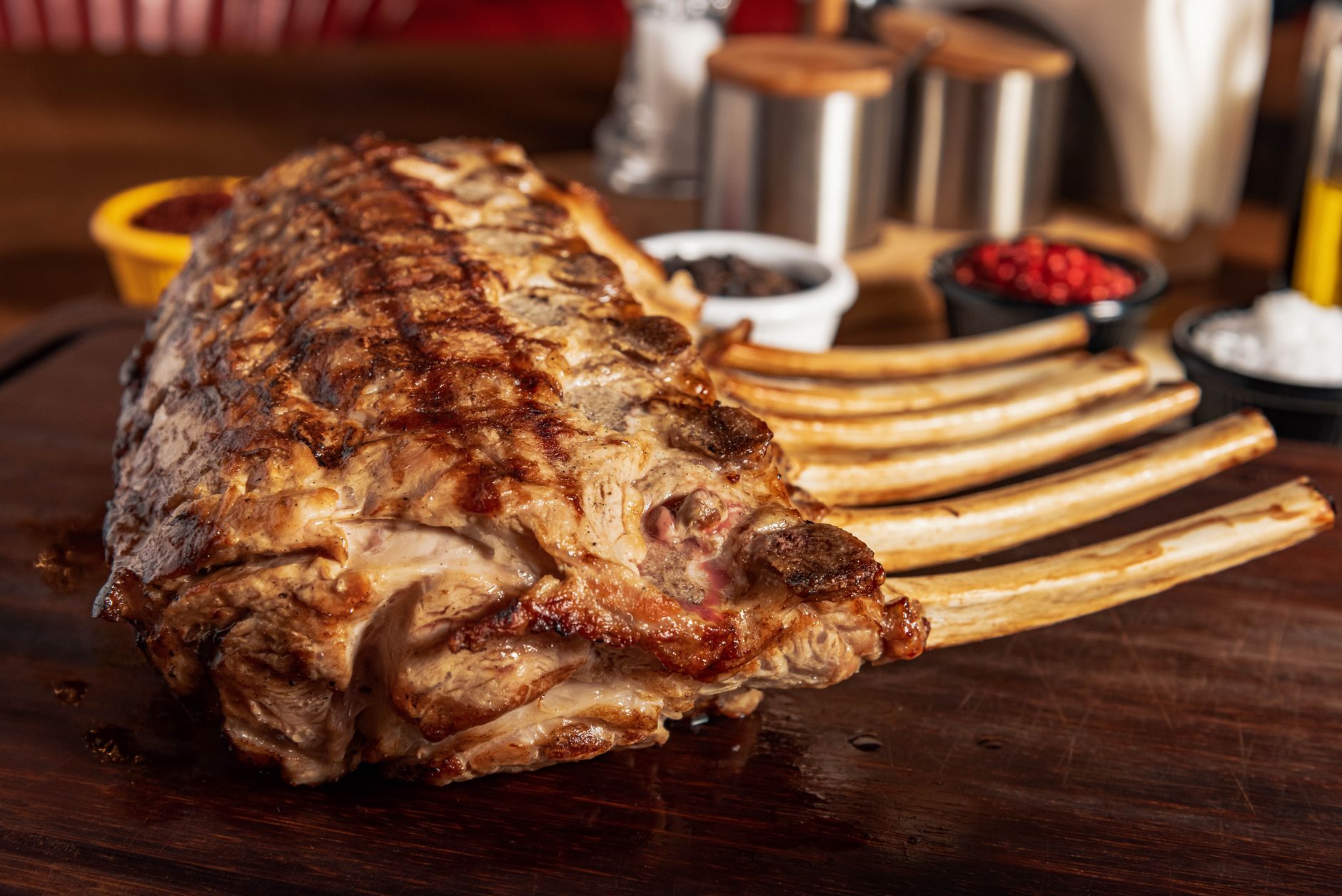
Cooking a 6-pound prime rib can feel daunting, but it’s actually quite straightforward with the right techniques and timing. Understanding how long to cook it can help you achieve the perfect doneness, succulent flavors, and a beautifully crisp crust.
This guide will discuss cooking times based on desired doneness, seasoning tips, and essential techniques. Whether you’re preparing for a holiday feast or a special family dinner, mastering prime rib can elevate your culinary skills.
How Long to Cook a 6 Pound Prime Rib?
To cook a 6-pound prime rib, the general guideline is to roast it in a preheated oven at 325°F for approximately 18-20 minutes per pound. Therefore, you’ll need around 1 hour and 54 minutes to 2 hours for medium-rare doneness. However, always use a meat thermometer to ensure accuracy.
Understanding Cooking Times by Doneness
When cooking prime rib, the desired doneness impacts cooking time and temperature. Below are the typical internal temperature ranges for different levels of doneness:
- Rare: 125°F (about 15-17 minutes per pound)
- Medium Rare: 135°F (about 18-20 minutes per pound)
- Medium: 145°F (about 20-22 minutes per pound)
- Medium Well: 150°F (about 22-24 minutes per pound)
- Well Done: 160°F and above (about 25-30 minutes per pound)
Keep in mind that the roast will continue to cook while resting, typically increasing in temperature by 5-10°F. Thus, it is advisable to remove the prime rib from the oven when it is 5-10°F below your target temperature.
Essential Preparations for a Perfect Prime Rib
Before cooking, there are several steps to take to ensure flavorful, tender meat.
Choosing the Right Cut
Selecting a good quality cut of prime rib is crucial. Look for:
- Marbling: Visible fat throughout the meat enhances flavor and juiciness.
- Bone-in vs. Boneless: Bone-in prime rib tends to have a richer flavor due to the marrow, while boneless is easier to carve and serve.
- Grade: USDA Prime is the highest quality, followed by Choice. The higher the grade, the more marbling and tenderness you will find.
Seasoning
Keen seasoning is key to tasty prime rib. Look at these options:
- Simple Salt and Pepper: For a classic approach, a generous rub of kosher salt and freshly ground black pepper is often sufficient.
- Herb Infused Rub: Use garlic, rosemary, thyme, and olive oil to create a flavorful crust.
- Marinades: Letting your prime rib marinate for a few hours or overnight can deepen the flavors.
Cooking Equipment You Will Need
Having the right tools can simplify the process:
- Roasting Pan: A heavy-duty roasting pan is ideal for cooking meat evenly.
- Meat Thermometer: An instant-read or probe thermometer will ensure you don’t overcook the meat.
- Aluminum Foil: Foil helps retain heat when resting the meat.
- Carving Knife: A sharp knife is essential for slicing the meat cleanly.
Step-by-Step Cooking Method
Below is a detailed method for cooking a 6-pound prime rib:
- Preparation: Allow the prime rib to sit at room temperature for at least 2 hours before cooking. This helps in even cooking.
- Preheat Oven: Set your oven to 325°F.
- Season the Roast: Generously season your prime rib on all sides with salt and pepper or your chosen rub. Allow it to sit for about 15-30 minutes.
- Place in Roasting Pan: Position the prime rib bone-side down in a roasting pan. If using a rack, position it accordingly so air can circulate.
- Insert a Thermometer: If using a probe thermometer, insert it in the thickest part of the meat, avoiding the bone.
- Roast the Meat: Place the roasting pan in the oven and set a timer. Check the internal temperature periodically after for around 1 hour.
- Rest Post-Cooking: Once the target temperature is reached, remove the roast from the oven and tent it loosely with aluminum foil. Let it rest for 20-30 minutes; this helps redistribute the juices.
- Carve and Serve: Use a sharp knife to carve the roast against the grain. Serve with your choice of sides.
Common Mistakes and Troubleshooting Tips
A few minor missteps can significantly impact your prime rib’s outcome. Here are common issues and how to resolve them:
- Overcooking: Always rely on a meat thermometer. If you don’t have one, observe cooking times as guidelines but prioritize internal temperature.
- Dry Meat: Avoid high heat. Cooking low and slow helps retain the meat’s moisture.
- Uneven Cooking: Ensure the roast sits at room temperature before cooking to promote even heat distribution.
Serving Suggestions
Prime rib pairs well with a variety of side dishes that complement its rich flavor. Consider these options:
- Horseradish sauce or creamy horseradish
- Classic Yorkshire pudding
- Roasted vegetables like carrots, potatoes, or Brussels sprouts
- Garlic mashed potatoes
- Caesar or mixed green salad
Make-Ahead Tips
If hosting a large gathering, consider these make-ahead strategies:
- Seasoning: You can season the prime rib a day before to enhance flavor.
- Side Dishes: Prepare sides in advance to minimize stress on the day of serving.
- Timetable: Create an oven schedule to fit cooking times for various dishes if you’re cooking multiple items.
Storage and Reheating Guidance
If you have leftovers, proper storage and reheating will keep the meat flavorful:
- Refrigeration: Wrap the prime rib tightly in plastic wrap or aluminum foil and place it in the refrigerator. Consume it within 3-4 days.
- Freezing: For longer storage, freeze wrapped portions. They can last for up to 6 months.
- Reheating: Reheat in an oven set to 250°F until warmed through, ensuring it doesn’t dry out.
Other Cooking Techniques
While roasting is the most common method for cooking prime rib, you might explore other techniques:
- Reverse Sear: Cooking the prime rib at a low temperature before finishing it with high heat searing creates a crust and retains moisture.
- Grilling: For a smoky flavor, you can grill the prime rib instead of roasting, taking care to monitor the temperature closely.
- Slow Cooking: Utilize a slow cooker for a more hands-off approach; however, the crust may not be as crispy.
Regardless of your preferred method, the key to a delicious prime rib lies in careful attention to timing and temperature.
After understanding how to cook a 6-pound prime rib successfully, you’ll find it easier to impress friends and family at your next gathering. Delicious, tender, and flavorful, cooking prime rib becomes less intimidating with the right knowledge and preparation.
If you are looking for more recipes related to prime rib, check out our boneless prime rib recipe and our prime rib rub recipe for flavorful variations.