
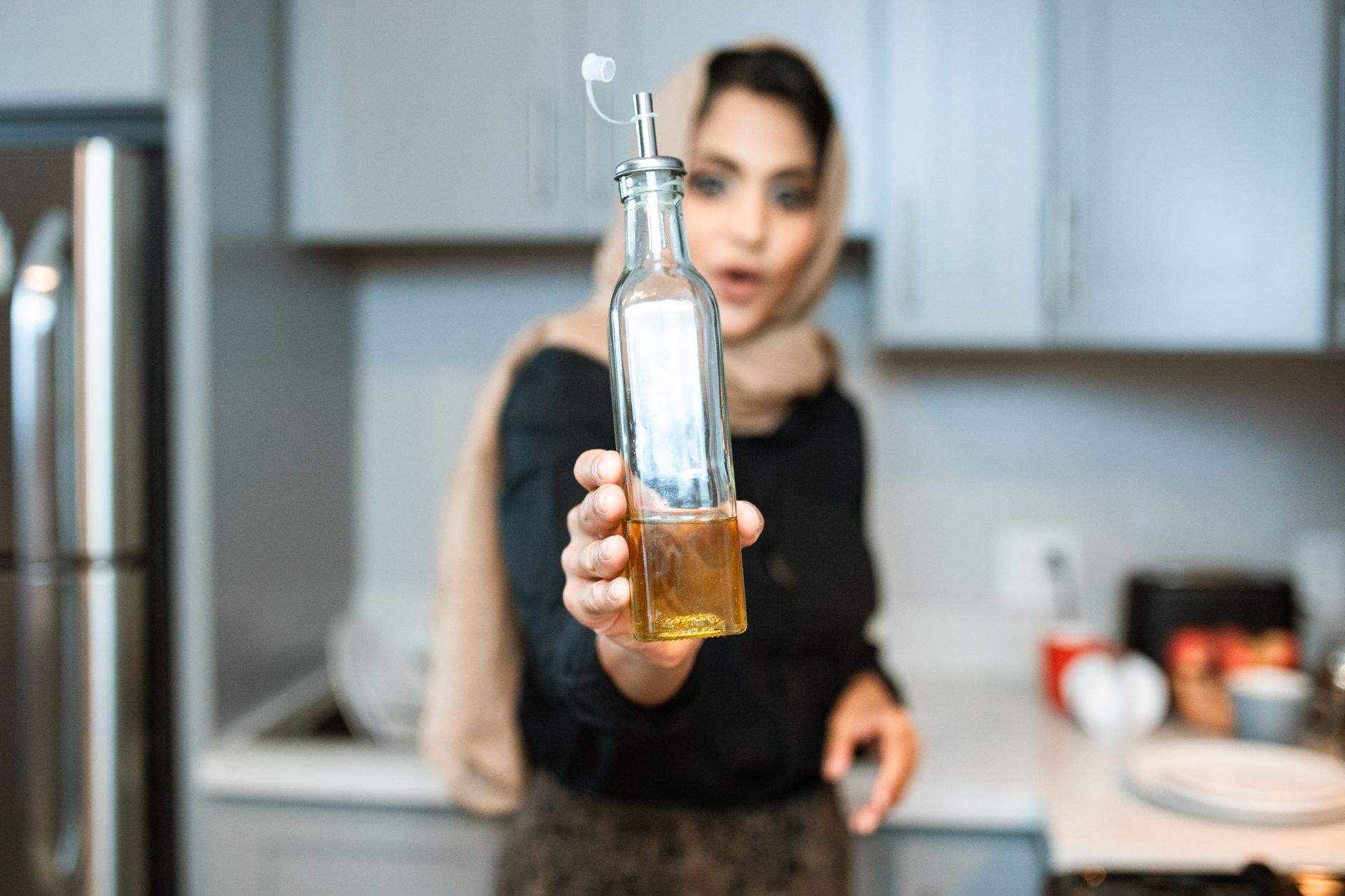
Olive oil is a staple in many kitchens around the world, praised for its flavor and health benefits. But as its popularity grows, so does the curiosity surrounding its uses. One common question that arises is whether it is safe to drink olive oil straight from the bottle.
In this article, we will explore the safety, benefits, and potential uses of drinking olive oil. We will also provide insights into the best practices for enjoying this liquid gold safely and healthily.
Is It Safe to Drink Olive Oil?
Yes, it is generally safe to drink olive oil in moderation. Many people consume small amounts for its health benefits, including its rich antioxidants and healthy fats. However, drinking large quantities may not be advisable for everyone due to calorie content and potential digestive issues.
The Health Benefits of Olive Oil
Olive oil is famed for its numerous health benefits, many of which are linked to its unique composition. Here are some of the key advantages:
- Rich in Healthy Fats: Olive oil is high in monounsaturated fats, particularly oleic acid, which has been associated with reduced inflammation and improved heart health.
- High in Antioxidants: Extra virgin olive oil is packed with antioxidants like vitamin E and polyphenols. These compounds combat oxidative stress in the body.
- May Aid Digestion: Small amounts of olive oil can promote digestion and can even help with the absorption of fat-soluble vitamins.
- Potential Cancer Protection: Some studies suggest that the antioxidants in olive oil may help prevent certain types of cancer, although more research is needed.
- Skin and Hair Health: Besides its internal benefits, olive oil is beneficial for skin and hair when applied topically or ingested.
How to Safely Consume Olive Oil
If you’re interested in incorporating olive oil into your diet by drinking it, there are a few practical tips to keep in mind:
- Quality Matters: Always choose high-quality extra virgin olive oil, as it contains the most nutrients and beneficial compounds.
- Moderation is Key: Aim for 1-2 tablespoons per day as a part of a balanced diet. Overconsumption may lead to excessive calorie intake.
- Timing and Pairing: Many people prefer to take olive oil on an empty stomach to maximize absorption. It can also be mixed with lemon or other beverages to enhance taste.
- Avoid Hard-to-Digest Oils: If you have a sensitive stomach or specific health issues, consult a healthcare provider before adding olive oil to your routine.
Recipes for Incorporating Olive Oil into Your Diet
Drinking olive oil doesn’t have to be an isolating experience—there are various recipes and ways to incorporate it into your diet. Here are a few enjoyable suggestions:
Olive Oil with Lemon Juice
This simple mixture combines the health benefits of both olive oil and lemon.
- Ingredients:
- 2 tablespoons extra virgin olive oil
- 1 tablespoon fresh lemon juice
- Method:
- In a small bowl or jar, combine the olive oil and lemon juice.
- Stir or shake well until combined.
- Consume this in the morning on an empty stomach for potential digestive benefits.
Herbed Olive Oil Infusion
This infusion can be consumed directly or used in salad dressings and marinades.
- Ingredients:
- 1 cup extra virgin olive oil
- 1 tablespoon fresh herbs (rosemary, thyme, or basil)
- Method:
- Place the olive oil and herbs in a small saucepan over low heat.
- Warm the mixture for about 10-15 minutes, stirring occasionally. Do not let it simmer.
- Let cool and strain before storing it in a bottle. Consume as desired.
Olive Oil Smoothie
This recipe is perfect for those who want to hide the taste of olive oil.
- Ingredients:
- 1 banana
- 1 cup spinach
- 1 tablespoon extra virgin olive oil
- 1 cup almond milk or any milk of choice
- Method:
- Blend all ingredients together until smooth.
- Enjoy as a nutritious and filling breakfast or snack.
Potential Risks and Considerations
While drinking olive oil in moderation is safe for most people, there are considerations to keep in mind:
- Caloric Content: Olive oil is calorie-dense. Consuming large amounts can contribute to weight gain if not accounted for in your daily intake.
- Digestive Issues: Some individuals may experience digestive discomfort when consuming oil directly. Start with small amounts to see how your body reacts.
- Interactions with Medications: If you’re on medication, especially blood thinners, consult your doctor, as olive oil may interact with some substances.
Common Questions About Drinking Olive Oil
To further enhance your understanding of drinking olive oil, let’s address some common questions:
Can Drinking Olive Oil Help with Weight Loss?
While olive oil can be part of a healthy diet, simply drinking it will not guarantee weight loss. It may help in weight management when used as part of a balanced, calorie-controlled diet.
Is It Better to Drink Olive Oil on an Empty Stomach?
Some people believe that taking olive oil on an empty stomach maximizes its benefits, particularly for digestion. However, scientific evidence on this is limited, and personal preference plays a key role.
Can I Use Olive Oil in Cooking Instead of Drinking It?
Absolutely! Olive oil is versatile and can be used in cooking methods such as sautéing, roasting, and baking. Using it in meals can infuse dishes with flavor and health benefits.
Practical Tips for Purchasing and Storing Olive Oil
Choosing and storing olive oil properly is essential for preserving its quality. Here are some straightforward tips:
- Choosing Olive Oil: Look for cold-pressed, extra virgin olive oil, which has the highest levels of nutrients. Check for the harvest date on the label, and avoid oils sold in clear bottles as they can degrade faster when exposed to light.
- Storage: Store olive oil in a cool, dark place, ideally in a pantry or cupboard. This helps prevent oxidation and maintains its flavor and health benefits.
- Check Before Use: Before consuming, ensure it has not developed a rancid smell or off-taste, which can occur over time.
Conclusion
Drinking olive oil can be a delightful way to incorporate its health benefits into your diet. When done in moderation and with quality oils, it can support your wellness goals. Remember to experiment with different recipes and find the best way to enjoy it that suits your palate.
For more kitchen guidance, you may find our articles on substituting avocado oil for olive oil and banana bread using oil particularly helpful.