
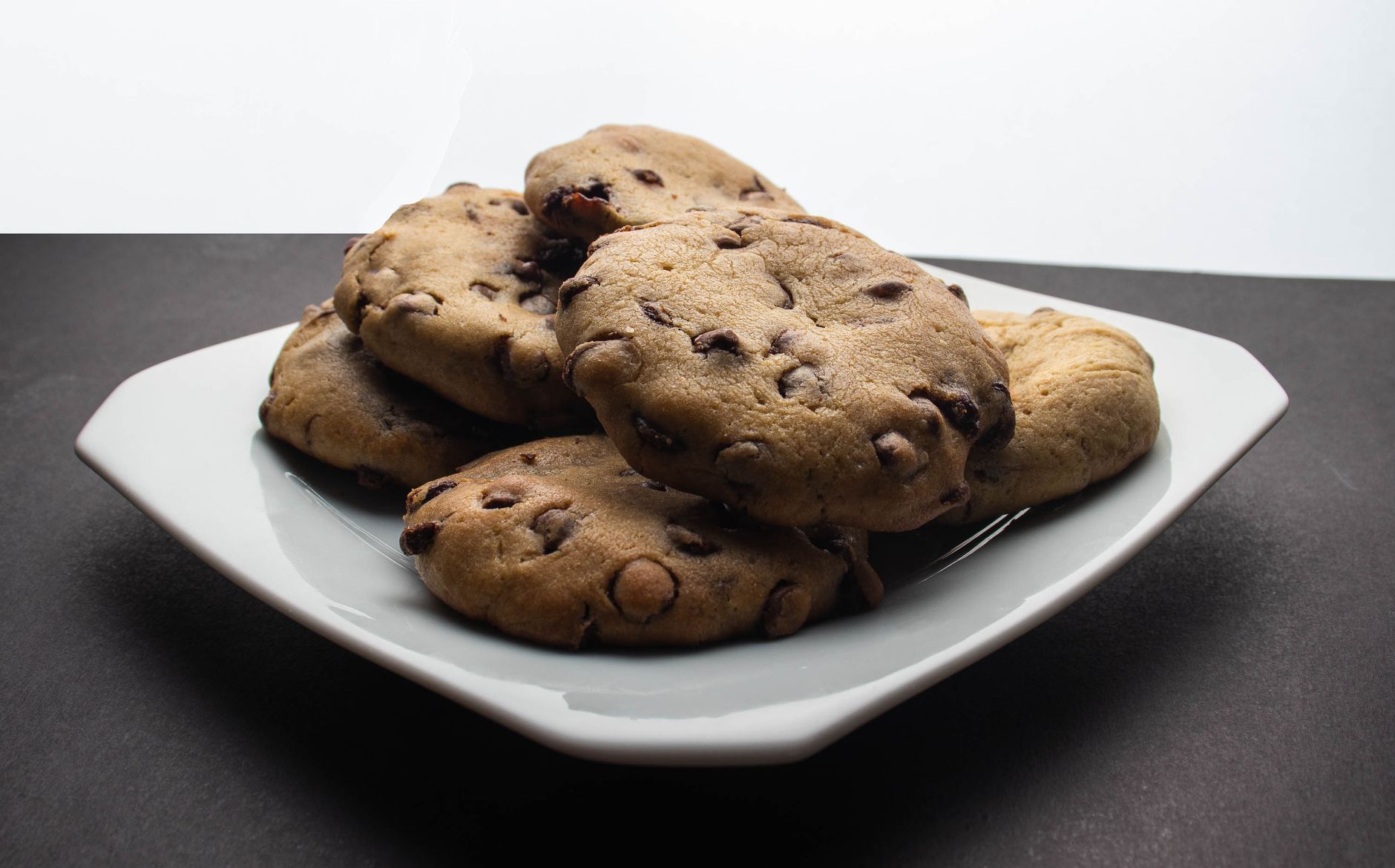
When it comes to baking, finding recipes that are both delicious and accessible is essential. “That Skinny Chick Can Bake” focuses on flavorful treats that don’t sacrifice taste for health. This guide will provide you with a variety of tips and techniques to elevate your baking experience, ensuring that both novice and experienced bakers can enjoy creating delightful treats.
From understanding key ingredients to mastering baking techniques, each section is crafted to help you become a more confident baker. You’ll discover the joys of baking with healthier alternatives, meal prep strategies, and serving tips that keep your treats fresh and delicious.
What Baking Techniques Should You Know for “That Skinny Chick Can Bake” Recipes?
Mastering various baking techniques can significantly impact the outcome of your recipes. From simple mixing methods to more complex decorating skills, understanding the fundamentals will enhance your baking prowess. Here are some essential techniques to focus on:
1. Creaming
Creaming is the process of beating fat (like butter) and sugar together until the mixture is light and fluffy. This incorporates air into the fat, helping your baked goods rise and achieve a light texture. To cream effectively:
- Use room temperature butter for easier mixing.
- Mix for about 3-5 minutes until the color lightens and the texture becomes fluffy.
- Scrape down the sides of the bowl to ensure all ingredients are incorporated.
2. Folding
This gentle technique is used to combine delicate ingredients (like whipped cream or egg whites) into heavier mixtures without deflating them. To fold:
- Use a spatula or large spoon to scoop under and over the mixture.
- Rotate the bowl as you fold to ensure even mixing.
- Stop once the ingredients are just combined to maintain airiness.
3. Sifting
Sifting flour and other dry ingredients breaks up lumps and aerates the mixture, leading to a lighter final product. Here’s how to sift:
- Use a fine-mesh sieve or sifter.
- Sift directly into the mixing bowl or onto parchment paper before combining with wet ingredients.
4. Pans and Baking Equipment
The choice of baking pans can greatly influence your treats. Always measure the size and check for specific requirements, as different materials conduct heat differently. Here are some recommendations:
- Glass pans for slow, even baking.
- Non-stick pans for easy release and minimal fat.
- Metal pans for achieving crispy edges.
Essential Ingredients for Healthier Baking
Certain ingredients can make your baked goods healthier while still delivering on taste. Understanding these ingredients can enhance your baking endeavors:
1. Whole Wheat Flour
This flour contains more nutrients and fiber than regular all-purpose flour. It adds a nutty flavor and denser texture. For a smoother texture, combine it with all-purpose flour in a 50/50 ratio.
2. Greek Yogurt
Greek yogurt is a fantastic substitute for sour cream or heavy cream in recipes. It adds moisture and protein while reducing fat content. You can use it in a 1:1 ratio to replace other dairy products.
3. Natural Sweeteners
Using natural sweeteners like honey, maple syrup, or agave can enhance flavor without refined sugars. However, remember to adjust the dry ingredient ratios as these are liquid sweeteners.
4. Unsweetened Applesauce
It is an excellent fat substitute in recipes for cakes, muffins, and brownies. Use one cup of applesauce to replace one cup of oil or butter to lower calorie count and fat content without compromising moisture.
Meal Planning with Baked Goods
Incorporating baked goods into your meal planning can streamline your week, allowing for healthier choices. Here are some strategies:
1. Weekly Baked Good Planning
Designate one day each week to bake a few staple items. Ideal options include:
- Whole grain muffins for breakfast or snacks.
- Homemade granola bars for a nutritious on-the-go option.
- Healthier banana breads for sweet treats.
2. Portion Control
Prepare baked goods in small batches to avoid overeating. Alternatively, freeze portions individually for easy access. Consider using:
- Silicone muffin trays for freezing muffins.
- Wax paper to wrap cookies or bars individually.
Timing Your Bakes: How Long Does Each Step Take?
Proper timing is crucial for successful baking. Below is an outline of common timeframes you may encounter:
1. Preparation Time
Preparation time includes ingredient gathering, measuring, and mixing. Aim for:
- 10-15 minutes for quick breads and muffins.
- 15-20 minutes for cakes or cookies requiring chilling or rolling.
2. Baking Time
The actual baking time will vary depending on the recipe. Keep an eye on visual and textural cues:
- Muffins are done when a toothpick inserted into the center comes out clean.
- Cakes should be golden brown with a slight spring back when touched.
- Cookies typically brown on the edges while remaining soft in the middle.
3. Cooling Time
Cooling is essential for pastries and cakes to set properly. Allow:
- 10 minutes in the pan before transferring to a wire rack.
- 1 hour for cakes and brownies to cool down completely.
Serving Tips for Your Baked Goods
How you serve your baked goods can elevate the experience for you and your guests. Here are some serving ideas:
1. Presentation
A simple yet attractive presentation can enhance the appeal. Consider these tips:
- Use cake stands or decorative plates.
- Garnish with fresh fruits, nuts, or a dusting of powdered sugar.
2. Pairings
Pair your baked goods with complementary flavors:
- Serve muffins with yogurt or fruit preserves.
- Consider ice cream or whipped cream alongside fruit-based desserts.
3. Storage for Freshness
To keep your baked goods fresh, store them properly:
- Use airtight containers or resealable bags made for storing baked items.
- Store baked goods in a cool, dry place away from humidity.
Common Mistakes and Troubleshooting in Baking
Baking can be tricky, and common mistakes can lead to unsatisfactory results. Here’s how to avoid them:
1. Incorrect Measurements
Precision is key in baking. Use appropriate measuring tools for dry and liquid ingredients. A kitchen scale can help ensure accuracy.
2. Overmixing
Mixing too much can lead to dense or tough baked goods. Mix until just combined to maintain a light texture.
3. Opening the Oven Door
Resist the urge to check on your bakes too often. Each time you open the door, it can dramatically lower the oven’s temperature, affecting the rise and baking time.
Make-Ahead Strategies for Baked Goods
Planning ahead can save you time. Here’s how to prepare in advance:
1. Freezing Bakes
Many baked goods freeze well. Consider these options:
- Freeze muffins and breads wrapped tightly in foil or in freezer-safe bags.
- Prepare cookie dough in advance and freeze it for quick baking.
2. Ingredient Prep
Measure out dry ingredients a day or two before baking so they are ready to go when you are.
Exploring Flavor Variations and Substitutions
Experimenting with flavors can make your baked goods exciting. Here are some variations and substitutions to try:
1. Flavor Additions
Consider incorporating spices and flavorings such as:
- Cinnamon, nutmeg, or ginger for warmth.
- Vanilla extract or almond extract for depth.
2. Fruit and Vegetable Substitutes
Adding fresh fruits can enhance the nutritional value while offering different flavors:
- Mashed bananas can replace fats in baked goods, like muffins or breads.
- Zucchini adds moisture and nutrients without altering flavor, especially in quick breads.
Final Thoughts on “That Skinny Chick Can Bake”
Baking can be both a fun activity and a way to treat yourself and loved ones with delicious, healthier options. Utilize the techniques, tips, and ingredient substitutions mentioned above to create a range of baked goods. Remember, practice makes perfect. Don’t be afraid to experiment and make mistakes as you become a more skilled baker.
If you’re looking for some specific recipes or further tips, feel free to explore related articles such as our banana bread recipe with oil or learn how to thaw meat fast. Happy baking!