
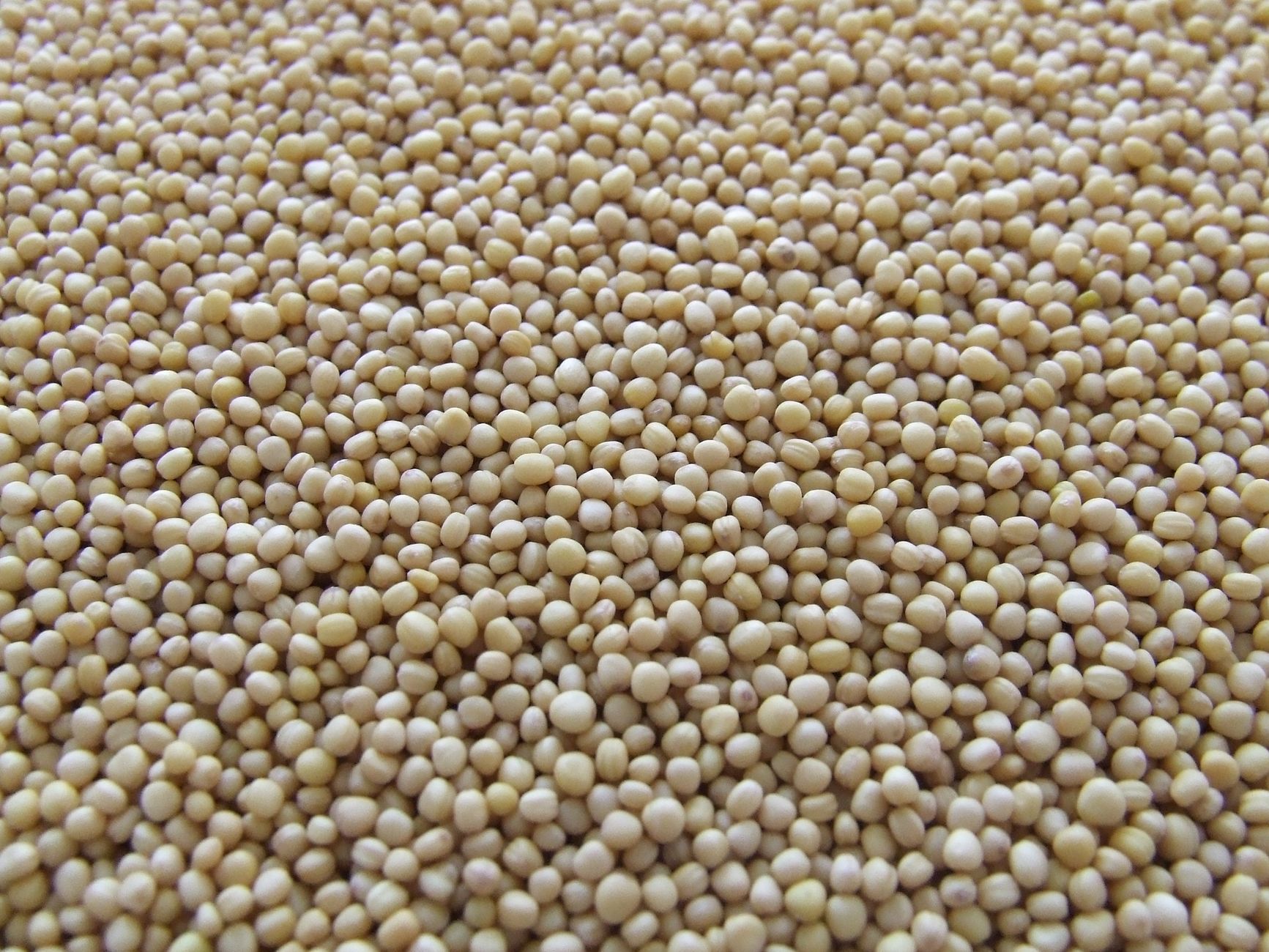
Soy lecithin is a versatile ingredient derived from soybeans, widely used in cooking and baking. Its primary function is as an emulsifier, helping combine ingredients that usually do not mix well, such as oil and water. This unique property makes soy lecithin a popular choice in many recipes and food products.
In addition to its emulsifying capabilities, soy lecithin improves the texture, shelf-life, and overall quality of various dishes. Understanding its applications can enhance your culinary repertoire, whether you’re exploring new recipes or looking for healthier options. This guide will explain what soy lecithin is used for, share recipe ideas, and provide tips for incorporating it into your meals.
What Is Soy Lecithin Used For?
Soy lecithin is primarily used as an emulsifier, stabilizing mixtures of oil and water. It’s common in baked goods, sauces, chocolates, and dressings. Additionally, it is a beneficial ingredient in alternative health products and nutritional supplementation due to its phospholipids.
Common Culinary Uses of Soy Lecithin
Soy lecithin has several culinary applications that enhance both flavor and texture. Here are some common uses:
- Emulsifying: Soy lecithin helps mix liquid and fat components effectively, making it essential for sauces and dressings.
- Baking: It provides a softer crumb and extends the shelf life of baked goods by retaining moisture.
- Confectionery: In chocolates and candies, it smoothens the texture and improves consistency.
- Dairy Alternatives: It is widely used in plant-based milks and creams to maintain a uniform texture.
- Health Supplements: Due to its phospholipid content, it is often added to nutritional supplements.
How to Incorporate Soy Lecithin into Your Cooking
Incorporating soy lecithin into your cooking is straightforward, but understanding the right amounts and methods is crucial. Here’s how to use it effectively:
Understanding Ratios
Typical usage rates for soy lecithin range from 0.5% to 2% of the total weight of the recipe. For example, in a recipe that weighs 1,000 grams, you would use between 5 to 20 grams of soy lecithin.
Mixing Techniques
When using soy lecithin as an emulsifier, it’s essential to mix it thoroughly with the liquids before adding fats. This ensures a stable mixture. You can use a whisk, blender, or immersion blender to achieve a smooth consistency.
Recipe Ideas Using Soy Lecithin
Here are some practical recipes to illustrate how to use soy lecithin in your cooking:
1. Creamy Salad Dressing
This light and creamy salad dressing comes together quickly and is perfect for a variety of salads.
- Yield: 1 cup
- Preparation Time: 10 minutes
- Total Time: 10 minutes
Ingredients
- 1/2 cup Greek yogurt
- 1/4 cup olive oil
- 2 tablespoons apple cider vinegar
- 1 teaspoon soy lecithin
- 1 clove garlic, minced
- Salt and pepper to taste
Method
- In a bowl, combine the Greek yogurt, olive oil, and apple cider vinegar.
- Add soy lecithin and whisk until smooth.
- Mix in the minced garlic, then season with salt and pepper.
- Serve over greens or store in the refrigerator for up to one week.
2. Moist Chocolate Cake
Using soy lecithin in this rich chocolate cake ensures a moist and tender crumb.
- Yield: 8 servings
- Preparation Time: 20 minutes
- Cooking Time: 30 minutes
- Total Time: 50 minutes
Ingredients
- 1 3/4 cups all-purpose flour
- 1 cup unsweetened cocoa powder
- 2 cups granulated sugar
- 1 1/2 teaspoons baking powder
- 1 1/2 teaspoons baking soda
- 1 teaspoon salt
- 2 large eggs
- 1 cup milk
- 1/2 cup vegetable oil
- 1 teaspoon vanilla extract
- 1 tablespoon soy lecithin
- 1 cup boiling water
Method
- Preheat the oven to 350°F (175°C). Grease and flour two 9-inch round cake pans.
- In a large bowl, mix the flour, cocoa powder, sugar, baking powder, baking soda, and salt.
- Add the eggs, milk, oil, vanilla, and soy lecithin. Beat at medium speed for 2 minutes.
- Stir in the boiling water (the batter will be thin).
- Pour the batter evenly into the prepared pans.
- Bake for 30 to 35 minutes or until a toothpick inserted in the center comes out clean.
- Cool in pans for 10 minutes before transferring to wire racks to cool completely.
3. Chocolate Truffles with Soy Lecithin
These rich truffles are an indulgent treat, perfect for gifting or sharing at parties.
- Yield: 24 truffles
- Preparation Time: 15 minutes
- Chilling Time: 1 hour
- Total Time: 1 hour 15 minutes
Ingredients
- 8 ounces semi-sweet chocolate, chopped
- 1/2 cup heavy cream
- 1 teaspoon soy lecithin
- Cocoa powder or crushed nuts for rolling
Method
- In a saucepan, heat the heavy cream until it begins to simmer.
- Pour the hot cream over the chopped chocolate in a heatproof bowl. Let sit for 5 minutes, then whisk until smooth.
- Add the soy lecithin and whisk to incorporate fully.
- Chill the mixture in the refrigerator for about 1 hour until firm.
- Using a small scoop or spoon, portion out the ganache and roll into balls.
- Roll each truffle in cocoa powder or crushed nuts to coat.
- Store in an airtight container in the refrigerator for up to 1 week.
Practical Serving Tips for Using Soy Lecithin
When incorporating soy lecithin into your dishes, consider the following serving tips:
- For dressings, try experimenting with different vinegar types, like balsamic or red wine, to find your preferred flavor.
- In baked goods, avoid overmixing once you’ve added flour, as this can lead to tough textures.
- Be mindful not to heat soy lecithin excessively, as high temperatures can diminish its emulsifying properties.
- For desserts like the chocolate truffles, try adding flavors such as vanilla, almond extract, or a splash of liqueur for a more nuanced taste.
Substitutions for Soy Lecithin
If soy lecithin is unavailable or if you prefer to avoid it, consider these possible substitutions:
- Sunflower Lecithin: A direct substitute, sunflower lecithin has similar emulsifying properties and is suitable for those avoiding soy.
- Egg Yolks: In dressings and custards, egg yolks can act as emulsifiers as well. Use one yolk per tablespoon of lecithin.
- Mustard: A tablespoon of Dijon mustard can help with emulsifying dressings and sauces.
Common Mistakes and Troubleshooting
When using soy lecithin in your recipes, some pitfalls may occur:
- Not Mixing Properly: Ensure that soy lecithin is adequately incorporated to avoid separation.
- Using Too Much: Overuse can lead to undesirable textures; stick to recommended ratios for best results.
- Neglecting Temperature: When emulsifying, ensure your liquids are at a suitable temperature to help blend ingredients smoothly.
Storage and Shelf Life of Soy Lecithin
Soy lecithin can be stored in a cool, dry place. It generally has a shelf life of about two years when kept in an airtight container. Keep in mind that exposure to moisture and high temperatures can degrade its quality.
Conclusion
Soy lecithin is a remarkable ingredient with diverse culinary applications. From enhancing dressing and baking to creating exquisite truffles, it can elevate your cooking experience. Whether you decide to use soy lecithin or choose alternatives, understanding its properties allows for creativity in the kitchen.
For more recipe ideas and cooking tips, explore our Chia Pudding Recipe or discover the role of fats in baking with our guide on What Is Shortening in Baking.