
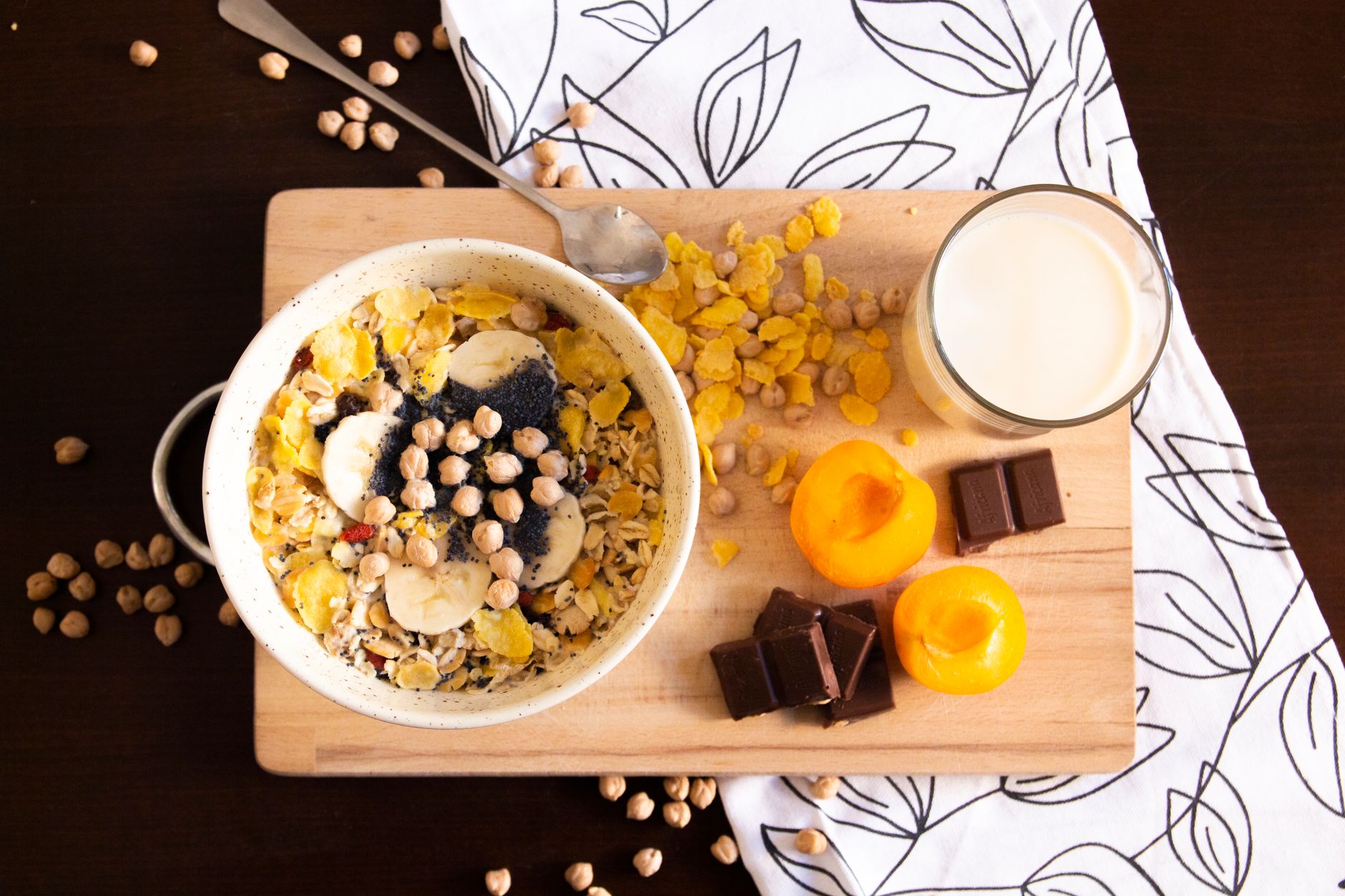
If you’re someone who needs to avoid gluten, whether due to celiac disease or gluten sensitivity, navigating grocery store aisles can be overwhelming. One essential food item that many people consume for breakfast is cereal. The good news is there are plenty of gluten-free cereal options available. Understanding what to look for will make your mornings simpler and more enjoyable.
In this article, we will explore various gluten-free cereals, how to read labels for gluten content, and what ingredients to keep an eye on. By the end, you’ll have a greater understanding of which cereals to choose and how to ensure your breakfast is safe and delicious.
What Cereal Is Gluten Free?
Gluten-free cereals include a wide range of options made primarily from grains that do not contain gluten, like rice, corn, quinoa, buckwheat, and oats (if certified gluten-free). Products specifically labeled as gluten-free will help in making safe choices.
Common Gluten-Free Grains Used in Cereal
Understanding the grains that naturally do not contain gluten can help you identify which cereals are safe to consume. Here are some of the most common grains found in gluten-free cereals:
- Rice: A versatile grain, rice is often used in gluten-free cereals. Both brown and white rice are good options, and many cereals mix rice with other gluten-free ingredients.
- Corn: Corn-based cereals are among the most common gluten-free cereals available. Corn flakes and puffed corn are widely found in stores.
- Quinoa: This ancient grain is gluten-free and protein-rich; it’s often included in granola-like cereals.
- Buckwheat: Despite the name, buckwheat is gluten-free and can provide a nutty flavor to breakfast cereals.
- Oats: Oats are naturally gluten-free but often cross-contaminated with gluten during processing. Look for oats certified gluten-free.
Popular Gluten-Free Cereal Brands
When shopping for gluten-free cereals, it’s helpful to know some reputable brands that specialize in gluten-free options. Below are some popular gluten-free cereal brands:
- Nature’s Path: Known for their commitment to organic and gluten-free products, they offer a variety of options, from cereals to granolas.
- Chex: Rice Chex, Corn Chex, and Honey Nut Chex are all certified gluten-free cereals.
- Bob’s Red Mill: This brand provides a wide range of gluten-free cereals, including granola and hot cereals.
- Glutenfreeda: Focused on gluten-free products, they offer delicious oatmeal and cereals.
- Kashi: With options like Kashi Go Crunch cereals, they also cater to gluten-free audiences.
Reading Labels for Gluten Content
Not all cereals that appear to be gluten-free are safe. Learning to read labels is crucial. Look for the following:
- Certified Gluten-Free: Look for cereals with a gluten-free certification on the packaging. This indicates that the product has been tested and meets the necessary guidelines for gluten-free products.
- Ingredients List: Check for any grains that contain gluten, like wheat, barley, or rye. Also, some cereals contain additives that may include gluten.
- Cross-Contamination Warning: If the packaging mentions that the product was made in a facility that processes gluten products, it’s better to avoid it to eliminate risk.
Homemade Gluten-Free Cereal Options
For those who prefer making their cereals at home, there are various easy recipes you can try. Homemade cereals let you control the ingredients while ensuring everything remains gluten-free.
Basic Gluten-Free Granola
Yield:
8 cups
Preparation Time:
15 minutes
Cooking Time:
25 minutes
Total Time:
40 minutes
Ingredients
- 3 cups rolled gluten-free oats
- 1 cup nuts (e.g., almonds, walnuts, pecans)
- 1 cup seeds (e.g., sunflower seeds, pumpkin seeds)
- 1 cup dried fruit (e.g., raisins, cranberries)
- ½ cup honey or maple syrup
- ½ cup coconut oil, melted
- 1 tsp vanilla extract
- 1 tsp cinnamon (optional)
Essential Equipment
- Baking sheet
- Large mixing bowl
- Spatula
- Oven
Method
- Preheat your oven to 350°F (175°C).
- In a large mixing bowl, combine the rolled oats, nuts, seeds, and cinnamon (if using).
- In another bowl, mix the melted coconut oil, honey or maple syrup, and vanilla extract.
- Pour the liquid mixture over the dry ingredients and stir well to combine.
- Spread the mixture evenly on a baking sheet.
- Bake for 20-25 minutes, stirring halfway through, until golden brown.
- Remove from the oven and let cool before mixing in dried fruit.
- Store in an airtight container.
Common Ingredients to Watch Out For
While shopping for gluten-free cereal or making your own, be aware of ingredients that can contain gluten or lead to cross-contamination. Here are a few:
- Barley: Often found in malt flavoring.
- Rye: Typically featured in shredded wheat cereals.
- Wheat: Obviously, any product with wheat should be avoided.
- Modified Food Starch: This additive can be wheat-derived, so always check.
- Malting Agents: These can also contain barley.
Gluten-Free Alternatives to Popular Cereal Types
The cereal aisle is filled with various types of cereals that many enjoy. Here are gluten-free alternatives for some popular cereal types:
Flakes and Puffs
Corn flakes and puffed rice are widely available gluten-free. Brands like Rice Chex offer delicious options.
Granola
Many store-bought granolas are gluten-free, but always check the ingredients. You can also customize homemade granola recipes.
Hot Cereals
Oatmeal can be gluten-free if you choose certified gluten-free oats. You may also explore products made from quinoa or rice porridge for variety.
Eating Gluten-Free Cereal for a Balanced Breakfast
While gluten-free cereal is a great breakfast option, it’s essential to ensure it contributes to a balanced meal. Consider adding:
- Fresh Fruits: Bananas, berries, and apples can boost fiber content.
- Nuts or Seeds: Add protein and healthy fats by sprinkling almonds, chia seeds, or flaxseeds.
- Dairy or Non-Dairy Milk: Pair with milk or a plant-based alternative for added calcium.
Tips for Storing Cereal
Proper cereal storage is essential for freshness and quality. Here are some tips:
- Store in an airtight container to maintain crunchiness.
- Keep cereals in a cool, dry place away from heat and moisture.
- Check the expiration date to ensure you consume them fresh.
What to Do When Eating Out
Dining out can often be challenging for individuals avoiding gluten. Here are some tips for eating gluten-free cereal dishes in restaurants:
- Inquire about gluten-free options on the menu.
- Ask if the establishment has gluten-free cereals available.
- Don’t hesitate to ask how the food is prepared to avoid cross-contamination.
Common Gluten-Free Cereal Mistakes
When shopping for gluten-free cereals, it’s easy to fall into certain traps. Here are common mistakes to avoid:
- Assuming all cereals labeled “natural” or “organic” are gluten-free.
- Not reading the nutrition labels carefully.
- Not checking for possible cross-contamination warnings.
Conclusion
Understanding what cereals are gluten-free can empower you to make safe and healthy choices at breakfast. By familiarizing yourself with gluten-free grains, trusted brands, and reading labels diligently, you’ll confidently find options that fit your dietary needs.
In summary, seek out certified gluten-free cereals, or try making your own at home, and don’t forget to enhance your bowl with nutritious additions. This knowledge can help you build a balanced breakfast that starts your day on the right note.
If you’re interested in learning more about gluten-free foods, explore our guides on whether Basmati rice is gluten-free and the health benefits of chicken liver.