
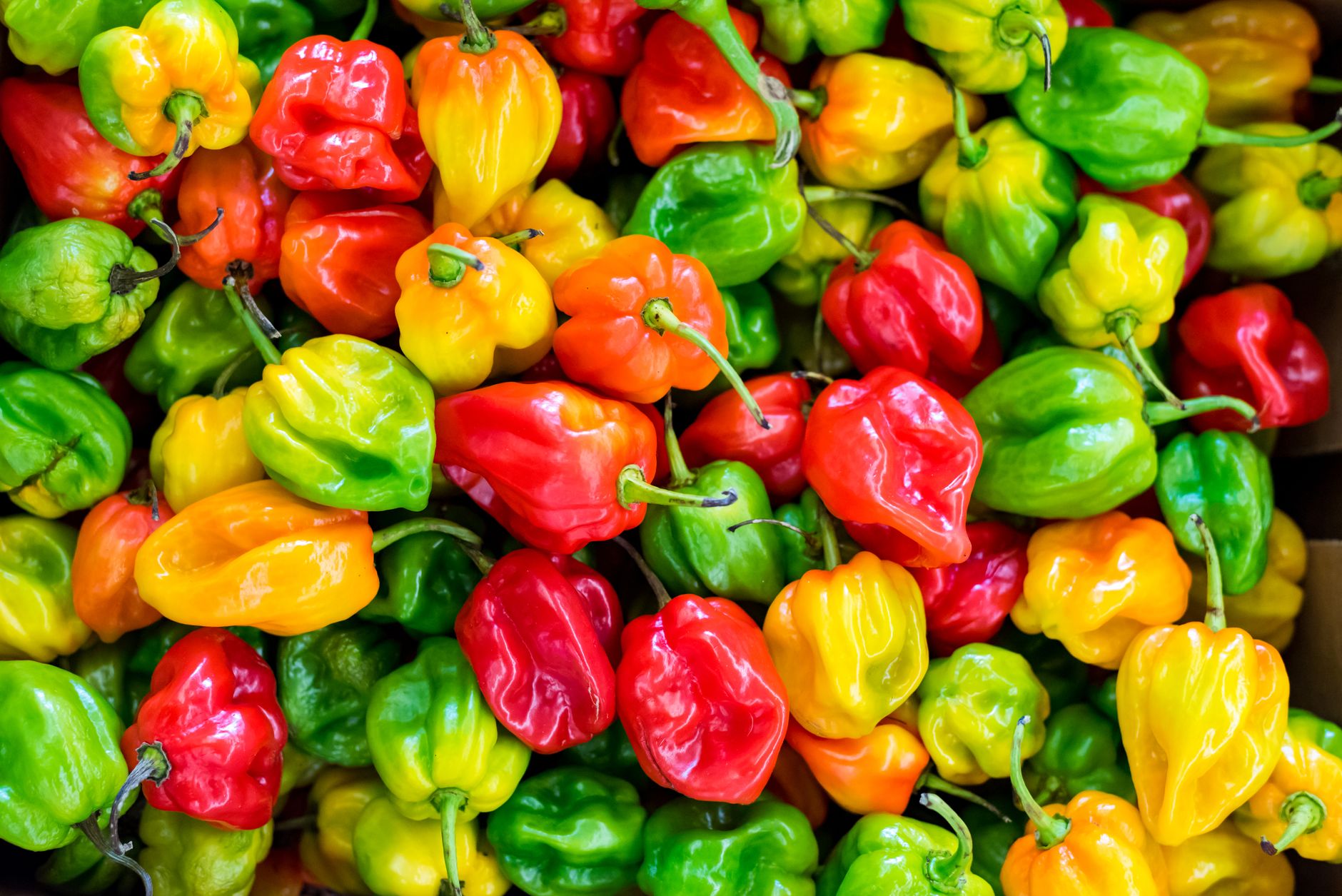
Chili peppers are versatile ingredients that bring heat, flavor, and vibrant colors to various dishes around the globe. Ranging from mild to hot, these fruits, often mistaken for vegetables, can elevate the taste experience of meals and snacks alike.
Understanding chili peppers involves exploring their types, flavors, culinary uses, and nutritional benefits. This article delves into what chili peppers are, how they can enhance your cooking, and tips for selection and storage.
What Are Chili Peppers?
Chili peppers belong to the Capsicum genus, which is part of the nightshade family (Solanaceae). They are cultivated worldwide for culinary purposes and are typically characterized by their spicy heat, resulting from the compound capsaicin. The heat level of chili peppers is measured on the Scoville scale, which ranges from mild peppers, such as bell peppers, with a rating of zero, to extremely hot varieties like the Carolina Reaper, which can reach over 2 million Scoville heat units (SHU).
Types of Chili Peppers
There are numerous varieties of chili peppers, each with distinctive flavors and levels of heat. Here are some common types:
- Jalapeño: A popular medium-heat pepper, Jalapeños add a fresh, grassy flavor to salsas and sauces, typically ranging from 2,500 to 8,000 SHU.
- Habanero: Known for its fruity flavor and significant heat, the Habanero usually scores between 100,000 to 350,000 SHU.
- Serano: Often used in Mexican cuisine, Serrano peppers are hotter than Jalapeños but not as fiery as Habaneros (around 2,500 to 5,000 SHU).
- Bell Pepper: The sweetest of the Capsicum genus, Bell peppers contain no heat (0 SHU) and are often used in salads, stir-fries, and as a base for many dishes.
- Cayenne: A long, thin pepper known for its bright red color and heat level ranging from 30,000 to 50,000 SHU, often used in powder form.
- Poblano: Mild and slightly smoky, Poblano peppers are often roasted and used in dishes like Chile Rellenos, roughly scoring 1,000 to 2,000 SHU.
- Thai Chili: Small and spicy, these peppers pack a punch with a heat level of 50,000 to 100,000 SHU, commonly used in Southeast Asian dishes.
Flavor Profiles
The flavor of chili peppers can vary significantly based on their variety. Here are different flavor characteristics displayed by some popular types:
- Fruity: Habanero peppers exhibit a sweet, fruity flavor alongside their heat, making them excellent in sauces and marinades.
- Smoky: Peppers like Chipotle (a smoked Jalapeño) add a deep, smoky flavor to dishes, perfect for barbecue sauces and stews.
- Herbaceous: Green chili peppers often provide a fresh, herbal flavor, enhancing salsas or stirring into soups and curries.
- Earthy: Some peppers, like Ancho (dried Poblano), lend an earthy sweetness that enriches mole sauces and chili dishes.
Culinary Uses of Chili Peppers
Chili peppers are an essential ingredient across diverse cuisines, offering both flavor and heat. Here are several culinary applications:
Fresh Uses
Fresh chilies can be utilized in various applications:
- Salsas: Freshly chopped chilies add heat and flavor to salsas, enhancing the overall dish. Jalapeños and Serranos are commonly used.
- Salads: Sliced or diced chili peppers, particularly sweet ones like Bell peppers, can contribute vibrant colors and crunch.
- Garnishing: Fresh chilies can be sliced and used as a garnish for soups, stews, and grilled meats.
Cooked Dishes
Chilies can also be incorporated into cooked dishes:
- Soups and Stews: Adding chilies to stocks or simmering them with vegetables enhances flavor profiles, bringing out spices.
- Stir-Fries: Fresh chilies, particularly Thai chili or Serranos, can add that necessary kick when combined with proteins and vegetables.
- Curries: Many Asian and Indian curries benefit from the inclusion of chilies, enhancing spice levels with their distinct flavor.
Preserved and Dried Forms
Chilies can be preserved or dried to create a variety of flavorful products:
- Chili Paste: Common in many Asian cuisines, chili pastes serve as a flavorful base for soups, sauces, and marinades.
- Chili Powder: A staple in spice cabinets, chili powder is made from dried chilies and serves as a flavor enhancer for various dishes.
- Pickled: Pickling chili peppers creates a tangy condiment, enhancing dishes like tacos and sandwiches.
Nutritional Benefits of Chili Peppers
Besides their flavor and heat, chili peppers offer several nutritional benefits. Here are some important attributes:
- Rich in Vitamins: Chili peppers are high in vitamins A and C, supporting immune function and eye health.
- Antioxidants: They contain antioxidants that fight free radicals, contributing to health and wellness.
- Metabolism: Capsaicin may boost metabolism, aiding in calorie burning and weight management.
Though chili peppers may offer various health benefits, consuming them in moderation is essential for people sensitive to spicy foods or certain medical conditions. Always consult with a healthcare professional if uncertainties arise.
Selecting and Storing Chili Peppers
When it comes to enjoying chili peppers at their best, selecting the right ones and knowing how to store them is crucial.
Selection
Here are some tips for selecting fresh chili peppers:
- Look for Firmness: Choose peppers that are firm, smooth, and unblemished. Avoid soft spots or wrinkles, indicating overripeness.
- Bright Color: Vibrant colors typically indicate freshness. Avoid those that appear dull or have brownish spots.
- Smell: Ripe chili peppers should have a fresh, herbal aroma. A strong or unpleasant smell can be a sign of spoilage.
Storage
Proper storage can help maintain the quality of chili peppers:
- Refrigeration: Store fresh chili peppers in a paper or plastic bag in the refrigerator. Consume within one to two weeks for best flavor.
- Freezing: For long-term storage, wash and dry the peppers, then freeze them in airtight containers. They can last up to six months in the freezer.
- Drying: Dried chili peppers can be kept in airtight containers in a cool, dark place for up to a year.
Practical Tips for Cooking with Chili Peppers
For those looking to incorporate chili peppers into their cooking, here are some practical tips:
Handling and Preparation
When preparing chili peppers, take precautionary measures:
- Use Gloves: When handling hot peppers, it’s advisable to wear gloves to avoid the burning sensation from capsaicin.
- Remove Seeds: For milder flavors, consider removing seeds and membranes, as these parts contain much of the heat.
- Chop Carefully: Always use a clean cutting board and knife. Minimize cross-contamination with other ingredients.
Cooking Methods
Here are common cooking techniques for chili peppers:
- Roasting: Roasting peppers enhances their natural sweetness. This can be done on an open flame, under a broiler, or in the oven.
- Sautéing: Quickly sautéing chopped peppers with oil, garlic, and onions can create a flavor base for many dishes.
- Blending: To make spicy sauces or dips, blend cooked peppers with herbs, spices, and other ingredients until smooth.
Common Mistakes When Cooking with Chili Peppers
Cooking with chili peppers can lead to some common pitfalls. Here are a few mistakes to avoid:
- Not Tasting: Always taste a small piece before adding to dishes, as the heat level can vary by pepper and batch.
- Over-cooking: Cooking peppers too long can cause them to lose flavor and texture. Aim for a tender yet crisp quality.
- Ignoring Balance: Pairing chili peppers with complementary flavors helps so that the heat does not overwhelm the dish.
Creative Ways to Use Chili Peppers
To inspire you to explore chili peppers in your cooking, here are some creative ideas:
- Chili Oil: Infuse olive oil with dried chilies to create a spicy oil for drizzling over pizzas, pastas, or salads.
- Stuffed Peppers: Use larger chili peppers (like Poblanos) to create delicious stuffed dishes with grains, cheese, and meats.
- Hot Sauces: Blend varieties of peppers with vinegar and spices to create your homemade hot sauces tailored to your taste.
Whether you’re a heat seeker or simply someone looking to add a bit of zest to your dishes, incorporating chili peppers effectively transforms everyday meals into flavorful experiences.
Summary
Chili peppers are a unique group of fruits that add an array of flavors and heat to meals. From sweet and mild to fiery and spicy, they can be used in countless ways, enhancing culinary traditions worldwide. Understanding their characteristics, proper handling, and various culinary applications allows anyone to make informed decisions about using chili peppers in cooking.
To expand your cooking skills, consider trying out a chili oil recipe or testing a delicious chili cheese fries recipe. Explore new ways to incorporate these flavorful fruits into your meals!