
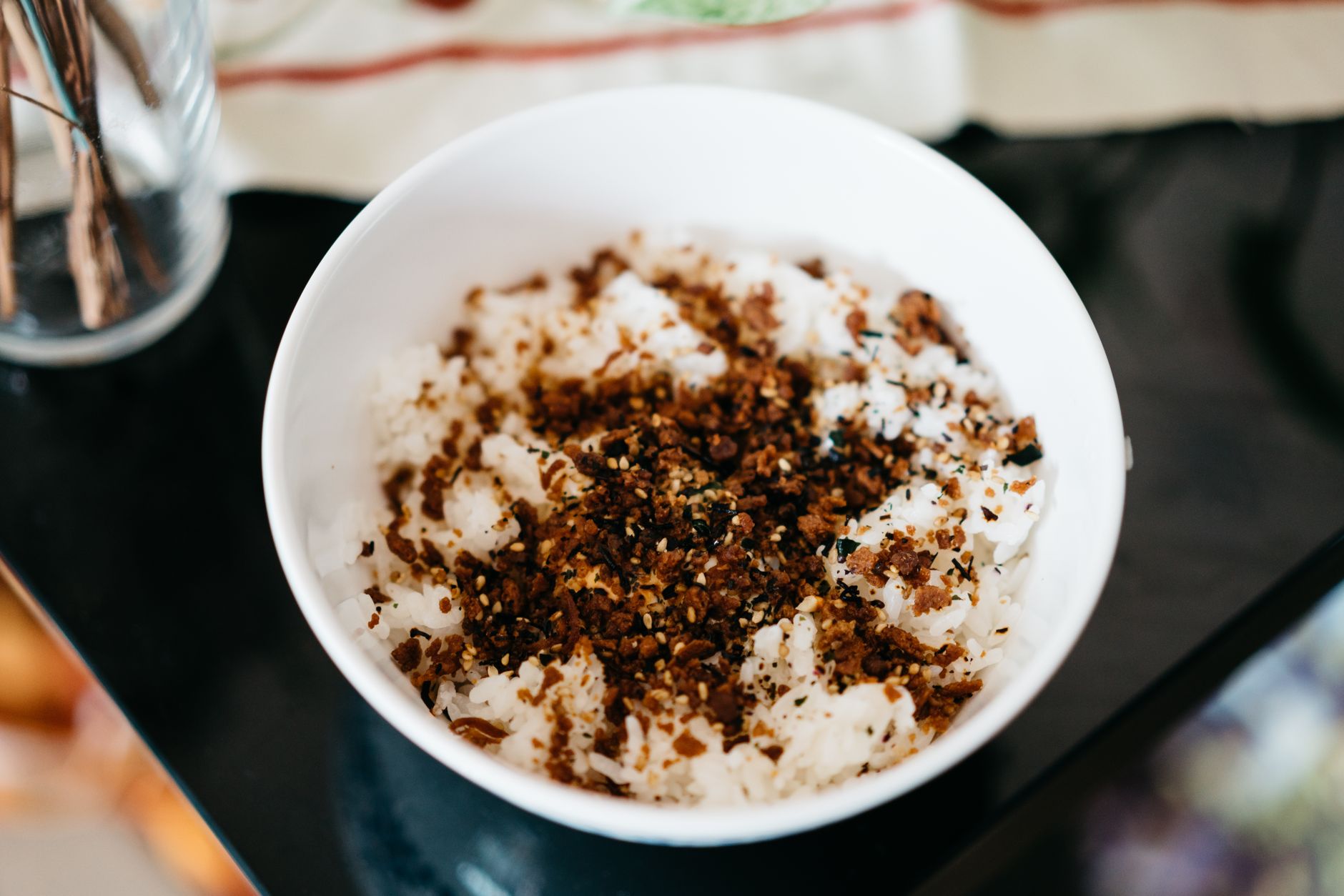
Furikake is a versatile Japanese seasoning blend that adds umami and flavor to a variety of dishes. Traditionally sprinkled over rice, it has gained popularity across the globe for its ability to elevate simple meals into something extraordinary.
This article explores the components of furikake, its uses, variations, and practical serving suggestions to incorporate this delightful seasoning into your cooking routine.
What Is Furikake Made Of?
Furikake consists of a mix of dried ingredients that contribute to its unique flavor and texture. While the specific blend can vary by region and personal preference, common ingredients include nori (seaweed), sesame seeds, bonito flakes, and salt. Together, these elements create a delightful combination that enhances a variety of dishes.
Common Ingredients in Furikake
Furikake can include a diverse array of ingredients, leading to different flavor profiles and textures. Below are key components typically found in furikake:
- Nori (seaweed): Dried seaweed adds a savory, umami flavor and a distinctive texture.
- Bonito flakes: These dried fish flakes contribute a rich, smoky flavor characteristic of traditional Japanese dishes.
- Sesame seeds: Often toasted, sesame seeds add crunch and a nutty aroma.
- Salt: Enhances the overall flavor and acts as a preservative.
- Sugar: A pinch of sugar can provide a contrast to the saltiness, creating a well-rounded taste.
- Mirin or soy sauce powder: Occasionally used for added flavor depth and sweetness.
- Other seasonings: Ingredients like powdered wasabi, ginger, or chili pepper can be included for a spicy kick or herbal notes.
The Flavor Profile of Furikake
The combination of furikake’s ingredients creates a complex flavor profile. The primary flavors include:
- Umami: The presence of nori, bonito flakes, and soy sauce powder enhances the savory, depth of flavor that umami lovers appreciate.
- Salty: Salt is a crucial component, providing a definitive kick that makes furikake addictive.
- Nuttiness: Toasted sesame seeds impart a subtle nutty taste, balancing the seasoning’s overall taste.
- Sweetness: A touch of sugar counteracts the saltiness, adding complexity without overwhelming the primary flavors.
Making Your Own Furikake
Homemade furikake allows for customization based on personal taste. Here’s a simple recipe to create your own blend at home.
Ingredients
- 1 sheet of nori, cut into small pieces
- 1/4 cup bonito flakes
- 2 tablespoons sesame seeds
- 1/2 teaspoon salt
- 1 teaspoon sugar
- 1/2 teaspoon of soy sauce powder (optional)
- 1/4 teaspoon chili flakes (optional)
Essential Equipment
- Mixing bowl
- Air-tight container for storage
- Scissors or knife for cutting nori
Method
- In a mixing bowl, combine the nori pieces, bonito flakes, sesame seeds, salt, and sugar.
- If using, add soy sauce powder and chili flakes for extra flavor.
- Mix all the ingredients thoroughly until well combined.
- Transfer the mixture to an air-tight container for storage.
- Store in a cool, dry place. Use within a month for the best flavor.
Using Furikake in Your Cooking
Furikake is a versatile seasoning that can be sprinkled on various dishes. Here are some popular ways to enjoy it:
1. On Rice
The traditional use of furikake is as a topping for plain rice. Simply sprinkle a generous amount on cooked rice for added flavor.
2. With Vegetables
Drizzle steamed or roasted vegetables with furikake to enhance their savory taste. It pairs especially well with broccoli, green beans, and potatoes.
3. In Sushi Rolls
Furikake can be incorporated into sushi rice or used as a garnish for sushi rolls. Just mix it into the rice as it cools for an added taste boost.
4. With Eggs
Sprinkle furikake on scrambled or fried eggs for a delicious breakfast option. It adds an exciting taste that transforms a simple meal.
5. On Salad
Use furikake as a unique salad dressing ingredient. It can add both flavor and texture to a green salad or grain bowl.
6. Popcorn Flavoring
Give popcorn a Japanese twist by tossing it with furikake after popping. The seasoning adds depth and flavor, creating a unique snack.
7. As a Seasoning for Fish
Rub furikake on fish fillets before grilling or baking them for added flavor. It complements the natural flavors of the fish beautifully.
Variations of Furikake
Furikake can vary significantly depending on the region and personal preferences. Here are a few notable variations:
- Salmon Furikake: This version includes dried salmon flakes for a fishier taste, ideal for seafood lovers.
- Wasabi Furikake: The addition of wasabi powder gives it a spicy edge, enhancing the umami experience.
- Shiso Furikake: Incorporating shiso leaves adds a herbal, minty touch to the blend.
- Spicy Furikake: Adding more chili flakes or spicy seasonings creates a zesty variation.
Storing Furikake
To preserve the flavor and freshness of your furikake, store it in an air-tight container in a cool, dry place. Proper storage will maintain its crunchiness and taste for maximum enjoyment. Homemade furikake can last for about a month, while store-bought options may have a longer shelf life due to preservatives.
Common Mistakes with Furikake
When using or making furikake, consider the following common pitfalls:
- Using Too Much Salt: Balance the saltiness of the furikake with other ingredients, especially if adding it to salty dishes.
- Not Toasting Sesame Seeds: Toasting enhances the flavor of sesame seeds, so don’t skip this step if you’re including them.
- Overlooking Shelf Life: Be mindful of the freshness of the ingredients to avoid a stale taste.
Practical Serving Tips
To make the most of your furikake, keep the following serving tips in mind:
- Start Small: Begin with a small amount and adjust according to your taste preferences.
- Use as a Finishing Touch: Add furikake as a final touch to dishes just before serving for the best flavor.
- Pair with Simple Sides: Use furikake to elevate basic sides, like plain rice or steamed vegetables, with minimal effort.
- Experiment: Don’t hesitate to try furikake on various dishes, from salads to grilled meats, to discover new pairings.
Furikake Around the World
Although rooted in Japanese cuisine, the popularity of furikake has spread globally. Chefs and home cooks alike incorporate this seasoning into various culinary traditions. In addition to traditional uses, furikake has found its way into fusion dishes that blend different culinary influences.
For instance, in some areas, you might find furikake sprinkled atop avocado toast, used as a seasoning for tacos, or even incorporated into dressings and marinades. Its versatility allows it to adapt to various cuisines, making it a favorite among food enthusiasts.
Conclusion
Furikake is a delightful seasoning that adds an umami punch to meals with minimal effort. Its versatile nature and numerous ingredient variations make it a perfect addition to your pantry.
To start experimenting with this Japanese favorite, consider making your own furikake at home or exploring store-bought options. As you incorporate this unique seasoning into your meals, you’ll find endless possibilities to enhance your culinary creations.
Explore more flavor profiles and how to elevate your dishes; check out our guides on what is molasses made from or discover a good substitute for rosemary.