
Concerns about carcinogenic foods often lead individuals to question the safety of their dietary choices, including chicken. Navigating the topic of whether chicken can be considered carcinogenic involves understanding various factors, including preparation methods, food processing, and consumption patterns.
This comprehensive article delves into the nuances of chicken consumption, exploring its potential risks and benefits, cooking methods, and serving ideas, providing you with a well-rounded perspective to make informed dietary decisions.
Is Chicken Carcinogenic?
The question of whether chicken is carcinogenic is complex and multifaceted. Generally, chicken meat is not classified as a carcinogen, but certain cooking methods, additives, or contaminants can lead to concerns over its safety. Studies suggest that it’s not the chicken itself that poses a risk, but the way it is cooked and prepared.
Understanding Carcinogenic Foods
Carcinogens are substances that can lead to cancer in living tissue. The World Health Organization (WHO) classifies these substances into groups based on their potential to cause cancer in humans. It’s important to recognize that not all foods associated with cancer risk are outright banned; instead, moderation and informed choices play a key role in consumption.
When considering the risks associated with chicken, several factors come into play:
- Preparation methods
- Additives and preservatives
- Quality of the chicken
- Contaminants such as bacteria and viruses
Types of Chicken and Their Risks
Different types of chicken—organic, free-range, and conventional—may have varied health implications. Organic and free-range chickens are generally raised without antibiotics or growth hormones, potentially reducing the risk of harmful residues.
1. Conventional Chicken
Conventional poultry farming sometimes employs antibiotics to promote growth, which may leave residues in the meat and contribute to antibiotic resistance. While the chicken itself is not considered carcinogenic, the long-term consumption of such products could lead to health issues.
2. Organic Chicken
Organic chicken is raised without synthetic pesticides or antibiotics, thus reducing the risk of exposure to harmful chemicals. As such, its consumption is generally considered safer. The absence of harmful additives can also make it a preferred option for health-conscious consumers.
3. Free-Range Chicken
Free-range chickens often have more space to roam and are exposed to a natural diet, which may lead to healthier meat. The absence of antibiotics and hormones contributes to perceptions of safety and healthiness among consumers.
Cooking Methods and Cancer Risk
How chicken is cooked can significantly affect its safety and health implications. Here are common cooking methods and their association with cancer risk:
1. Grilling and BBQ
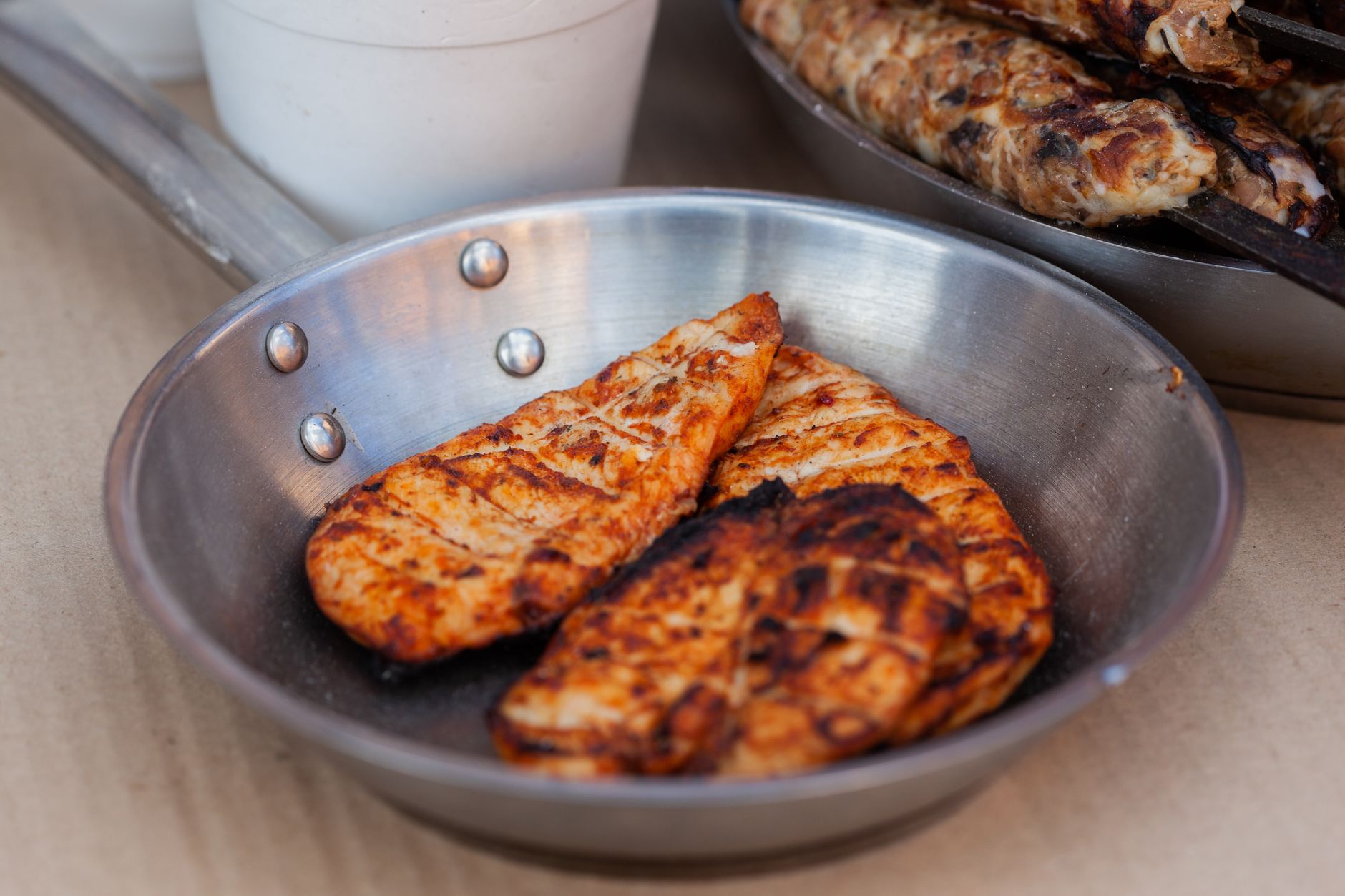
Grilling chicken at high temperatures can lead to the formation of heterocyclic amines (HCAs) and polycyclic aromatic hydrocarbons (PAHs). These chemicals have been linked to cancer in animal studies. To minimize risk, consider marinating the chicken, as this practice can reduce HCA formation.
2. Frying
Frying chicken in oils at high temperatures can create advanced glycation end products (AGEs), which can lead to increased inflammation and oxidative stress in the body. Opting for healthier oils and cooking at moderate temperatures can help mitigate these risks.
3. Baking and Roasting
Baking or roasting chicken at lower temperatures presents a minimal risk for cancer-causing chemicals when compared to direct high-heat methods such as grilling. Ensure that chicken reaches an internal temperature of 165°F (74°C) for safe consumption.
The Importance of Safe Handling and Cooking
Regardless of the cooking method, proper food handling and cooking practices are critical for food safety:
- Always wash hands and surfaces with soap and warm water before and after handling raw chicken.
- Ensure that chicken is cooked thoroughly, reaching an internal temperature of 165°F (74°C).
- Use separate cutting boards for raw chicken and other foods to prevent cross-contamination.
- Store chicken properly in the refrigerator or freezer, and follow food safety recommendations.
Common Misconceptions About Chicken
There are several myths surrounding the health implications of consuming chicken. Understanding these misconceptions can facilitate informed decisions:
1. Chicken is Always Dangerous
While raw or undercooked chicken poses health risks, properly cooked chicken is safe to eat. Focusing on safe cooking temperatures and practices is essential.
2. Organic Chicken is Completely Risk-Free
Organic chicken can still harbor bacteria such as Salmonella and Campylobacter. Hence, safe handling and cooking practices remain vital, regardless of the type of chicken.
Nutritional Aspects of Chicken
Chicken offers numerous nutritional benefits that contribute to a balanced diet. It’s high in protein, which is essential for muscle repair and growth, and contains several important vitamins and minerals.
- Protein: Provides essential amino acids for body functions.
- Vitamin B6: Supports metabolism and immune function.
- Niacin: Contributes to energy production and DNA repair.
- Selenium: An antioxidant that helps protect cells from damage.
Serving Ideas for Chicken
1. Grilled Chicken Salad
Combine grilled chicken breast with mixed greens, cherry tomatoes, cucumber, and your favorite dressing for a light and nutritious meal.
2. Chicken Stir-Fry
Stir-fry chicken with a colorful assortment of vegetables such as bell peppers, carrots, and broccoli. Serve it over rice or noodles for a satisfying dish.
3. Roasted Chicken with Vegetables
Season a whole or cut-up chicken with herbs and spices, roast it in the oven with root vegetables, and enjoy a hearty meal.
4. Chicken Tacos
Shred leftover chicken and serve it in corn tortillas with avocado, salsa, and cabbage for a flavorful and easy dinner option.
Practical Substitutions and Alternatives
If you are looking to explore beyond chicken, there are various alternatives you can consider:
1. Turkey
Like chicken, turkey is a lean meat and a great source of protein. It can be used in similar recipes as a substitute for chicken.
2. Tofu
For a plant-based option, tofu offers protein and can absorb the flavors of the dishes in which it is cooked, making it a versatile alternative.
3. Legumes
Beans and lentils are excellent protein sources and can be used in salads, soups, and stews, providing a hearty texture.
Storing and Reheating Chicken Safely
Proper storage and reheating of chicken are crucial to ensure it remains safe to eat:
- Cooked chicken should be refrigerated within two hours of preparation.
- Store leftovers in an airtight container and consume within three to four days.
- Reheat chicken to a minimum internal temperature of 165°F (74°C) before serving.
Conclusion
In moderation and with proper cooking techniques, chicken remains a valuable and nutritious part of many diets. When addressing concerns about cancer risks, understanding the preparation methods and quality of the chicken can help you make informed choices. Incorporating a variety of cooking methods, wearing attention to food safety, and considering alternatives can further enhance your meals.
Explore more about food storage tips at how long cooked chicken lasts and learn how to recognize bad chicken at how to know if chicken is bad.