
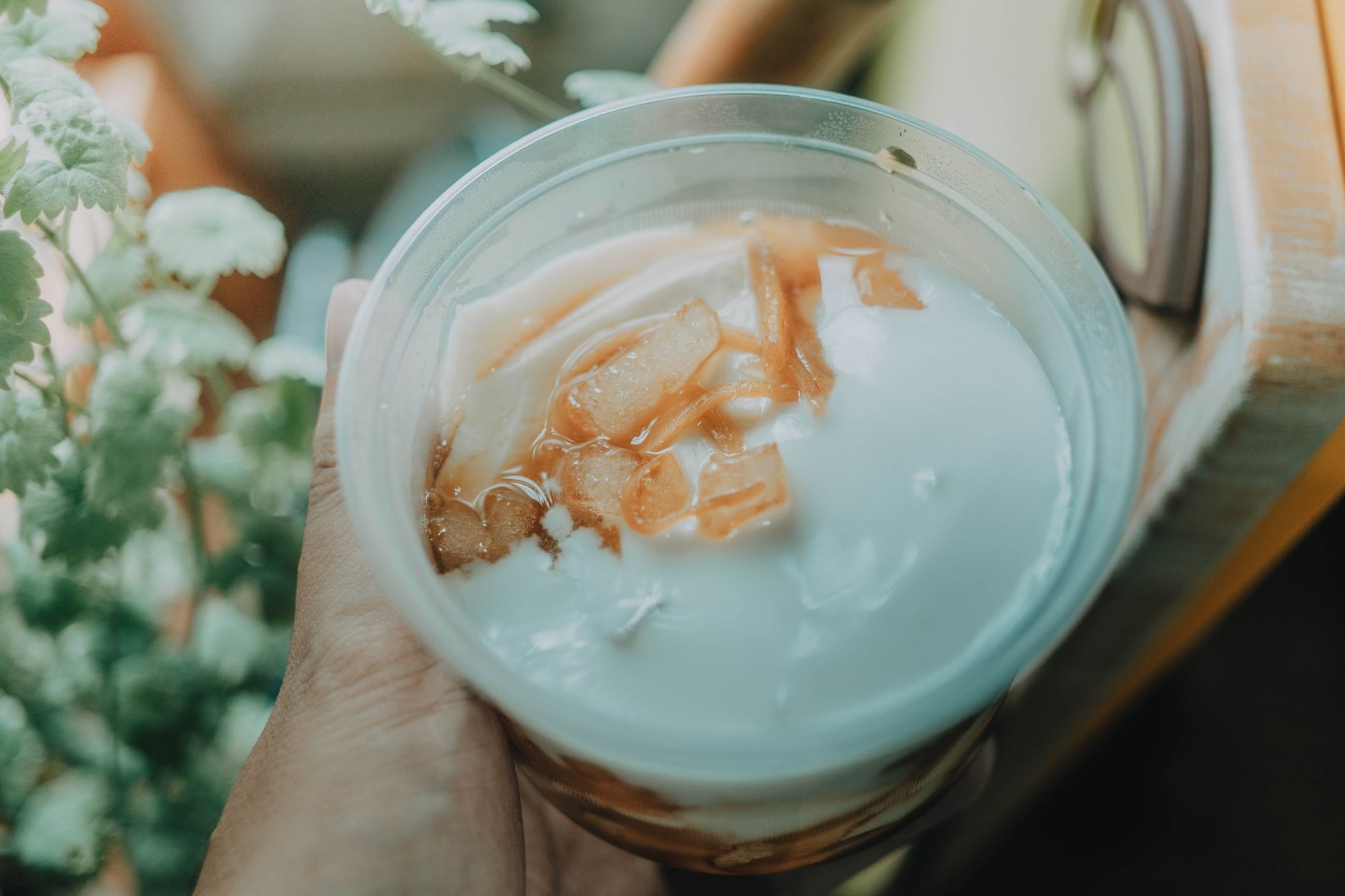
Coconut milk is a versatile ingredient that adds creaminess and flavor to various dishes, from curries to desserts. If you often use coconut milk or are considering incorporating it into your meals, you may wonder about the best way to store it. This guide will clarify whether coconut milk needs refrigeration and provide practical tips for handling this unique ingredient.
Understanding proper storage can help maintain the freshness and quality of coconut milk, whether you’re using it for a special recipe or as part of your daily cooking. We’ll explore different forms of coconut milk, how to store it, signs of spoilage, and ways to make the most out of it in your kitchen.
Does Coconut Milk Need to Be Refrigerated?
Yes, coconut milk typically needs to be refrigerated once opened. If you choose to use canned coconut milk, it usually has a shelf life of 2 to 5 years when unopened and stored in a cool, dry place. However, once you open the can, the milk should be refrigerated and consumed within 4 to 7 days for the best quality and safety.
Understanding Different Forms of Coconut Milk
Coconut milk is not a one-size-fits-all product; it comes in various forms. Understanding these forms will help you decide how best to store and use each type:
- Canned Coconut Milk: Thick and creamy, canned coconut milk is the most commonly used form in cooking and baking.
- Carton Coconut Milk: Often found in the dairy section, carton coconut milk is usually for drinking and has a thinner consistency. It may contain additives to enhance flavor or shelf life.
- Homemade Coconut Milk: Made by blending shredded coconut with water, homemade coconut milk is fresh but has a shorter shelf life than commercial options.
Storage Guidelines for Coconut Milk
Canned Coconut Milk
Once you open a can of coconut milk, follow these storage guidelines:
- Transfer any unused coconut milk from the can to an airtight container.
- Store the container in the refrigerator.
- Consume the milk within 4 to 7 days. Label the container with the date of opening to help keep track.
- For longer storage, you can freeze coconut milk in ice cube trays, allowing you to use it later in different recipes.
Carton Coconut Milk
Carton coconut milk may have a different storage requirement:
- If unopened, carton coconut milk can be stored in the pantry for a long shelf life.
- Once opened, store in the refrigerator and use within 7 to 10 days.
- Always check for potential additives on the label, as these may affect the shelf life.
Homemade Coconut Milk
Homemade coconut milk requires special attention to maintain its freshness:
- Store homemade coconut milk in an airtight container in the refrigerator.
- Consume it within 2 to 3 days for the best flavor and safety.
- If necessary, you can freeze unused portions in small containers or ice cube trays.
Signs of Spoilage in Coconut Milk
Knowing when coconut milk has gone bad is crucial for food safety:
- Off Smell: Fresh coconut milk has a mildly sweet and pleasant aroma. A sour or rancid smell indicates spoilage.
- Separation: Separation of liquid and cream is normal in coconut milk. However, if the liquid appears curdled or clumpy, it may be spoiled.
- Change in Color: Coconut milk should be a creamy white. Any darkening or unusual color can signify that it has gone bad.
- Packaging Integrity: If the can or carton is dented, bulging, or leaking, discard it, as this may indicate bacterial contamination.
Culinary Uses of Coconut Milk
Coconut milk is a popular ingredient in many cuisines and can be used in a variety of dishes:
- Curries: Coconut milk gives richness to curries, enhancing flavors and balancing spiciness.
- Desserts: It’s often used in puddings, ice creams, and cakes to add creamy texture and tropical flavors.
- Soups: Coconut milk can add a velvety texture to soups, such as Thai coconut soup or chowders.
- Smoothies: Blend it into smoothies for a creamy consistency and delightful flavor.
Practical Tips for Using Coconut Milk
Swapping Coconut Milk in Recipes
If you’re looking for substitutes, consider the following:
- Heavy Cream: Use heavy cream for richness but note the higher calorie content.
- Almond Milk: A lighter alternative, but it lacks the creaminess of coconut milk.
- Soy Milk: Provides a similar texture but with a different flavor profile.
- Cashew Milk: Another creamy substitute that offers a nutty flavor.
Cooking and Baking with Coconut Milk
Here are some tips for successfully incorporating coconut milk into your cooking and baking:
- Shake or Stir: Always shake carton coconut milk before use, as separation can occur.
- Heat Gently: When heating, do so on low to avoid curdling.
- Add at the Right Time: In recipes, add coconut milk towards the end of cooking to prevent it from breaking down.
- Experiment with Flavors: Pair coconut milk with spices such as ginger, curry, or vanilla to elevate the dish.
Common Mistakes When Using Coconut Milk
To help you avoid pitfalls in your culinary adventures with coconut milk, here are common mistakes:
- Not Refrigerating After Opening: Forgetting to refrigerate coconut milk can lead to spoilage.
- Using Old Coconut Milk: Relying only on visual appearance rather than checking for smell and texture can lead to food safety issues.
- Overheating: Heating coconut milk too quickly can cause it to curdle; always opt for low or medium heat.
- Ignoring Separation: Not shaking or stirring separated coconut milk may lead to uneven cooking results.
Cooking Inspiration with Coconut Milk
If you’re looking to experiment with coconut milk, consider trying these two recipes:
- Chia Pudding Recipe with Coconut Milk – A delightful and nutritious pudding that’s easy to prepare.
- Coconut Margarita Recipe – A refreshing drink perfect for summer celebrations.
Conclusion
Understanding how to properly store and use coconut milk can elevate your cooking, providing rich flavors and creamy textures to your favorite recipes. Always check for spoilage and store it in airtight containers to extend its freshness. Consider trying new recipes featuring coconut milk to explore its culinary potential further!
Explore more cooking tips and delightful recipes to enhance your culinary journey. Consider checking out our Chia Pudding Recipe with Coconut Milk or our refreshing Coconut Margarita Recipe for your next meal or gathering.