
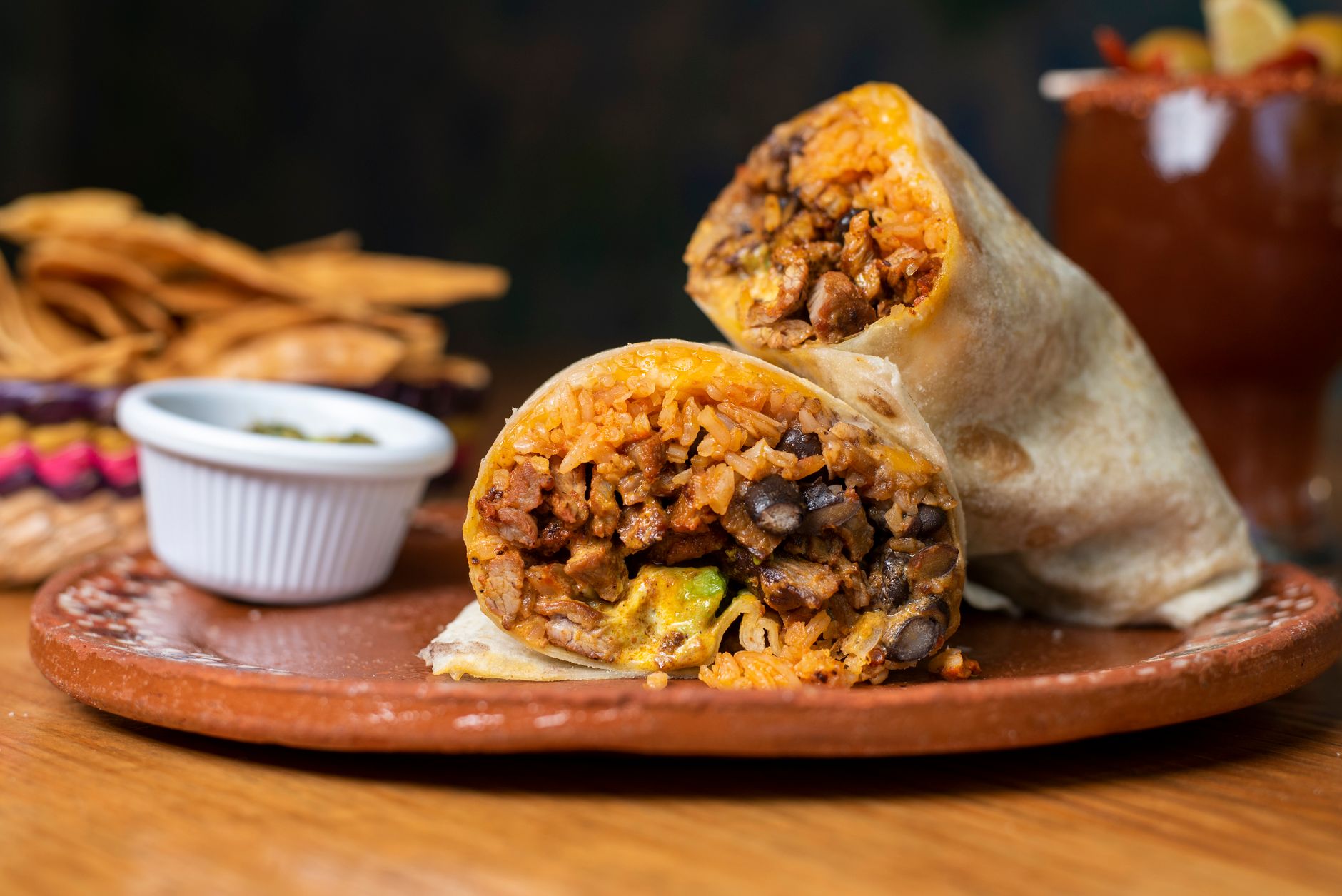
With the growing emphasis on healthy eating, many people are curious about the nutritional value of their favorite fast-food options. Among them, Chipotle has gained popularity for customizable meals that often source ingredients sustainably. But is Chipotle truly a healthy choice? In this article, we will explore the nutrition, portion sizes, and various considerations to help you make informed decisions when dining at Chipotle.
Understanding the health aspects of Chipotle requires a closer examination of the individual ingredients offered, the customization opportunities, and how these choices affect overall nutritional value. Let’s delve into these elements for a comprehensive view.
Is Chipotle Healthy?
When addressing whether Chipotle is healthy, it’s essential to analyze the available options and nutritional content of its menu. Overall, many of Chipotle’s ingredients are whole foods and high in nutrients, such as beans, vegetables, and lean meats. However, the healthiness of your meal largely depends on your specific choices, ingredient combinations, and portion sizes.
Nutritional Breakdown of Chipotle Ingredients
Chipotle’s menu is diverse, featuring various options such as burritos, bowls, tacos, and salads. Each of these options can be tailored to fit different dietary preferences. Here’s a breakdown of the main ingredients available and their nutritional highlights.
1. Proteins
- Chicken: Grilled chicken is a popular choice, lean and packed with protein. A typical serving contains around 32 grams of protein and 220 calories.
- Steak: The steak option has more fat than chicken, with about 25 grams of protein and 320 calories. It can be a flavorful choice for those seeking richer flavors.
- Barbacoa: This shredded beef option is slow-cooked with spices. It contains 24 grams of protein and typically 290 calories.
- Pulled Pork: Known for its distinct flavor, the carnitas option has around 23 grams of protein and 300 calories.
- Sofritas: For plant-based diets, sofritas (spicy tofu) offer 18 grams of protein and around 150 calories, making it a healthier vegetarian option.
- Vegetarian Options: The fully plant-based meal with black or pinto beans, peppers, and onions provides fiber and protein without meat, around 12-17 grams of protein depending on the choices.
2. Grains and Base Options
- Cilantro-Lime Rice: Available in white or brown, a serving of rice adds approximately 350-370 calories, depending on the type.
- Lettuce: A low-calorie base option at roughly 5 calories per serving, lettuce is a great way to bulk up your meal without adding many calories.
- Black and Pinto Beans: These are excellent sources of fiber and protein, providing around 120 calories and 8 grams of protein per serving.
3. Vegetables
- Pico de Gallo: This fresh salsa adds flavor with minimal calories, roughly 25 calories per serving.
- Fajita Veggies: Made from grilled peppers and onions, this option has 20 calories and adds a nice crunch and flavor.
- Corn Salsa: Sweet and tangy, corn salsa contains about 80 calories per serving and offers some sweetness to your meal.
4. Toppings and Dressings
- Cheese: Adding cheese can significantly increase the calorie count. A portion typically has about 110 calories and 7 grams of fat.
- Sour Cream: One serving adds around 120 calories, predominantly from fat.
- Guacamole: While delicious, guacamole is calorie-dense, contributing approximately 230 calories per serving.
- Chipotle Honey Vinaigrette: This dressing is tasty but can add up to 120 calories; it’s essential to use it sparingly.
Portion Sizes and Meal Customization
One of Chipotle’s main appeals is its meal customization. Customers can adjust their orders based on personal health goals and taste preferences. However, portion sizes can quickly add up, especially when combining multiple ingredients. Here are some tips for healthier meal building:
1. Choose a Bowl or Salad Instead of a Burrito
Burritos may be enticing, but they often contain high-calorie ingredients, especially if you add a tortilla. Opting for a bowl or salad can help control calorie intake while still enjoying the flavors you love.
2. Load Up on Vegetables
Incorporating more vegetables is a great way to boost fiber content and nutrient density without significantly increasing calorie counts. Choose options like fajita veggies, pico de gallo, and lettuce to enhance your meal.
3. Watch the Caloric Add-Ons
While guacamole and cheese add taste, they also increase calorie counts. Consider limiting these ingredients or choosing smaller portions to keep your meal balanced.
4. Balance Protein and Carbs
Strive for a balance between carbohydrates and proteins. Choosing lean proteins with healthy carbs (such as brown rice or beans) can create a satiating yet nutritious meal.
Considerations for Specific Diets
Whether you’re following a specific diet or have particular health concerns, customizing your Chipotle meal to accommodate these needs is achievable.
1. Vegetarian and Vegan Options
Chipotle provides varied vegetarian choices like sofritas, beans, and plenty of vegetables. Notably, guacamole is vegan-friendly, making it an excellent choice for those avoiding animal products.
2. Gluten-Free Alternatives
Most ingredients at Chipotle are gluten-free except for the tortilla and certain dressings. Individuals with gluten sensitivities can enjoy bowls and salads without worry.
3. Low-Carb or Keto Diets
For those on low-carb diets, opting for a salad with meat and limited grains can help meet dietary goals without sacrificing flavor.
4. Caloric Restrictions
If you’re watching caloric intake for weight management, carefully select base options and monitor toppings and dressings’ contributions. The nutritional information is displayed at the restaurant, helping make informed choices.
Common Misconceptions Regarding Chipotle’s Healthiness
While Chipotle markets itself as a healthier fast-food option, some misconceptions persist about how healthy it actually is. Let’s clarify a few of these points.
1. Everything is Healthy
Although many ingredients are wholesome, making excessive additions or opting for high-calorie toppings can nullify the benefits of an otherwise healthy meal.
2. Large Portions are Necessarily Better
Chipotle encourages larger portion sizes, which can lead to unintentional overeating. A small burrito bowl with light toppings can often be more satisfying than a large burrito overloaded with ingredients.
3. All Ingredients are Equal
Not all toppings and add-ons contribute the same nutrients. Some, like guacamole and cheese, add beneficial fats but also high calories, whereas veggies and beans contribute more fibers and fewer calories.
Making Healthy Choices at Chipotle
To navigate Chipotle’s menu healthily, here’s a guide to help you create balanced meals.
1. Lean Proteins
Start with a lean protein option such as chicken or sofritas. Avoid higher-fat meats like carnitas or steak if you’re looking to reduce calories or saturated fat.
2. Base It Right
Choosing a base of lettuce instead of rice or opting for brown rice can help lower your carb count while still providing enough texture and flavor.
3. Vegetable Boost
Enhance your meal’s nutritional profile by adding plenty of veggies, from fajita veggies to pico de gallo, ensuring you’re getting enough vitamins and minerals.
4. Keep Toppings in Check
Select one or two small portions of toppings such as cheese or sour cream while steering away from calorically dense extras. Be mindful of salad dressings, as they can quickly add calories.
5. Stay Hydrated
Opt for water or unsweetened beverages instead of sugary drinks to further maintain a healthier meal profile.
Conclusion
In summary, Chipotle can be a healthy dining option when you make mindful choices. By understanding the nutritional values of specific ingredients, customizing your meal, and being aware of portion sizes, you can craft satisfying meals that align with your health goals. Always consider the components of your meal and aim for balanced options to enjoy the flavors of Chipotle without compromising on nutrition.
If you’re looking for flavorful homemade recipes inspired by Chipotle, consider trying out our Chipotle Aioli Recipe or experiment with a Chipotle Vinaigrette Recipe for zesty dressing options. Happy eating!