
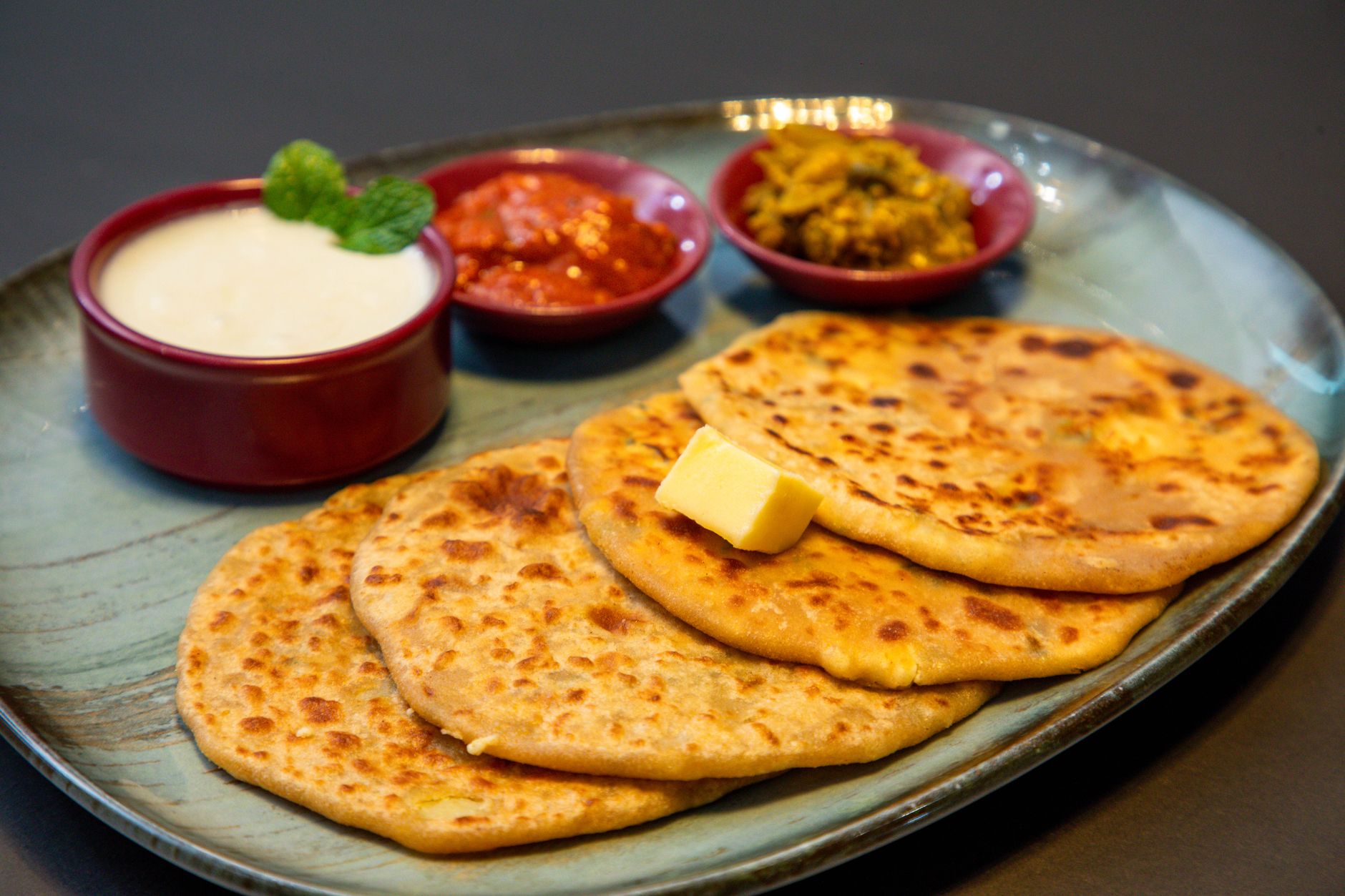
Ghee and butter are staple ingredients in many kitchens around the world, but they are not the same. Understanding their differences in taste, texture, and cooking uses is essential for any home cook. In this article, we will explore the nuances of ghee and butter, discussing which might be a better choice for your cooking needs.
As we dive deeper into their characteristics, we will look into flavor profiles, cooking methods suitable for each, and health considerations that may influence your decision. Whether you’re considering a dietary shift or simply curious about what sets these two fats apart, this guide will help clarify your choices.
Is Ghee Better Than Butter?
Ghee is often considered better than butter for various reasons, including its higher smoke point, lactose-free status, and unique flavor. However, whether it’s “better” ultimately depends on personal preference and dietary needs.
Understanding Ghee and Butter
Before we compare the two, it’s important to understand what each ingredient is.
What is Ghee?
Ghee is a type of clarified butter that originates from Indian cuisine. It is made by simmering butter to separate the milk solids and water from the fats. The process involves cooking the butter until all the moisture evaporates and the milk solids settle at the bottom. The result is a golden, nutty-flavored fat that can be stored at room temperature without refrigeration.
What is Butter?
Traditional butter is made by churning cream until it thickens and forms solid fat. Butter generally contains about 80% fat and 20% water, along with small amounts of milk solids. It can be salted or unsalted and is commonly used in a variety of dishes, from baking to frying.
Flavor Profile
The flavor differences between ghee and butter can significantly impact the dishes you prepare.
Ghee’s Flavor
Ghee has a rich, nutty flavor due to the caramelization of milk solids during the clarifying process. This depth of flavor can enhance a dish without overpowering it. Its unique taste makes it particularly appealing in Indian and Middle Eastern cuisines where spices are prominent.
Butter’s Flavor
Butter has a creamy, slightly sweet flavor that many people love. The fresh taste is best appreciated when used in lighter dishes, such as sauces and baked goods. Unsalted butter allows other flavors to shine through, while salted butter adds a savory kick.
Texture Comparison
The texture of ghee and butter can also influence how they are used in cooking and baking.
Ghee’s Texture
Ghee is a smooth liquid when warmed but solidifies to a soft, creamy consistency at room temperature. This makes ghee easy to spread and use in cooking, as it doesn’t require softening like butter does. Its heat stability also means it retains its texture well at high temperatures.
Butter’s Texture
Butter is solid when cold and softens as it warms. Its creamy texture can lend a rich mouthfeel to dishes, particularly in baking, where it helps create flaky layers in pastries. However, if overheated, butter can burn, which alters its flavor and texture.
Cooking Uses and Techniques
Knowing when to use ghee versus butter can elevate your cooking. Each has its strengths based on the cooking technique and desired flavor.
Ghee in Cooking
- High-Temperature Cooking: Ghee has a smoke point of about 450°F (232°C), making it ideal for frying and sautéing without burning.
- Flavor Enhancement: Use ghee in curries, sauces, or on vegetables to add depth and a buttery richness.
- Spreads and Drizzles: Ghee works well as a spread over toast or drizzled on dishes like rice and roasted vegetables.
Butter in Cooking
- Baking: Butter is a key ingredient in many baked goods, providing moisture and flavor.
- Flavor Bases: Use butter as a base for sauces like béchamel or for sautéing vegetables to impart a rich flavor.
- Finishing Touches: A pat of butter can be added to sauces or pastas just before serving for a creamy finish.
Health Considerations
When considering whether ghee or butter is the healthier option, it’s essential to look at specific dietary needs and health benefits.
Health Benefits of Ghee
- Lactose-Free: Since ghee is clarified and contains no milk solids, it is suitable for those with lactose intolerance.
- Rich in Vitamins: Ghee is a source of fat-soluble vitamins A, D, E, and K, which are important for various bodily functions.
- Conjugated Linoleic Acid (CLA): Some studies suggest that ghee may contain CLA, which may support weight management.
Health Concerns with Butter
- Contains Lactose: While many people can tolerate butter, those with severe lactose intolerance may struggle.
- Higher Saturated Fat: Butter is higher in saturated fat content compared to ghee, which can be a concern for heart health.
Storage and Shelf Life
How you store ghee and butter can impact their longevity and flavor.
Storing Ghee
- Ghee can be stored at room temperature in an airtight container for up to three months.
- It can also be refrigerated, where it can last up to a year.
Storing Butter
- Butter can be kept at room temperature for up to a week or divided into portions for freezing.
- Unsalted butter should be consumed within a month when stored in the refrigerator.
Cost Comparison
While both ghee and butter can be purchased readily, the price may vary based on quality and source.
- Ghee: Generally more expensive due to the preparation process, especially for organic or artisanal varieties.
- Butter: More widely available and typically less expensive, although premium brands can fetch a higher price.
Practical Applications in Daily Cooking
Deciding between ghee and butter often depends on personal cooking habits. Here are some practical applications for each:
When to Choose Ghee
- If preparing dishes that require high-heat cooking.
- For lactose-sensitive individuals looking for a butter alternative.
- In recipes where a nutty flavor is desired.
When to Choose Butter
- For baking recipes that rely on the creaming method.
- In sauces and dishes where the fresh creaminess of butter would enhance flavor.
- For general spread on bread or toast.
Common Cooking Mistakes
Here are some mistakes to avoid when using ghee and butter in your cooking.
Ghee
- Allowing it to burn: Because of its high smoke point, ghee can sometimes lead to overcooking if not monitored.
- Storing improperly: Ghee can go rancid if exposed to moisture or air, so ensure airtight storage.
Butter
- Overheating: Butter can burn at lower temperatures than ghee; monitor heat when using it for sautéing.
- Not accounting for salt: If using salted butter in recipes, adjust added salt accordingly.
Popular Recipes Incorporating Ghee and Butter
Here are a few ideas for using ghee and butter in your daily cooking:
Using Ghee
- Add ghee to sauté vegetables for a rich flavor.
- Incorporate ghee into cookies for a nutty undertone.
- Use ghee as a topping over cooked grains or salads for added richness.
Using Butter
- Classic brownies or chocolate chip cookies benefit from butter’s creamy flavor.
- Use in sauces like beurre blanc for a luxurious touch.
- Whip butter into mashed potatoes for added creaminess.
Conclusion
Ghee and butter each have unique qualities that make them suitable for different culinary applications. Whether you prefer ghee for its high smoke point and nutty flavor or butter for its creamy richness will depend on your cooking needs and dietary preferences. Ultimately, both can have a place in your kitchen. Consider experimenting with both to find what works best for your favorite recipes.
If you’re curious about the health benefits of ghee or whether it needs refrigeration, take a look at these resources: Is Ghee Healthy? and Does Ghee Need to be Refrigerated?.