
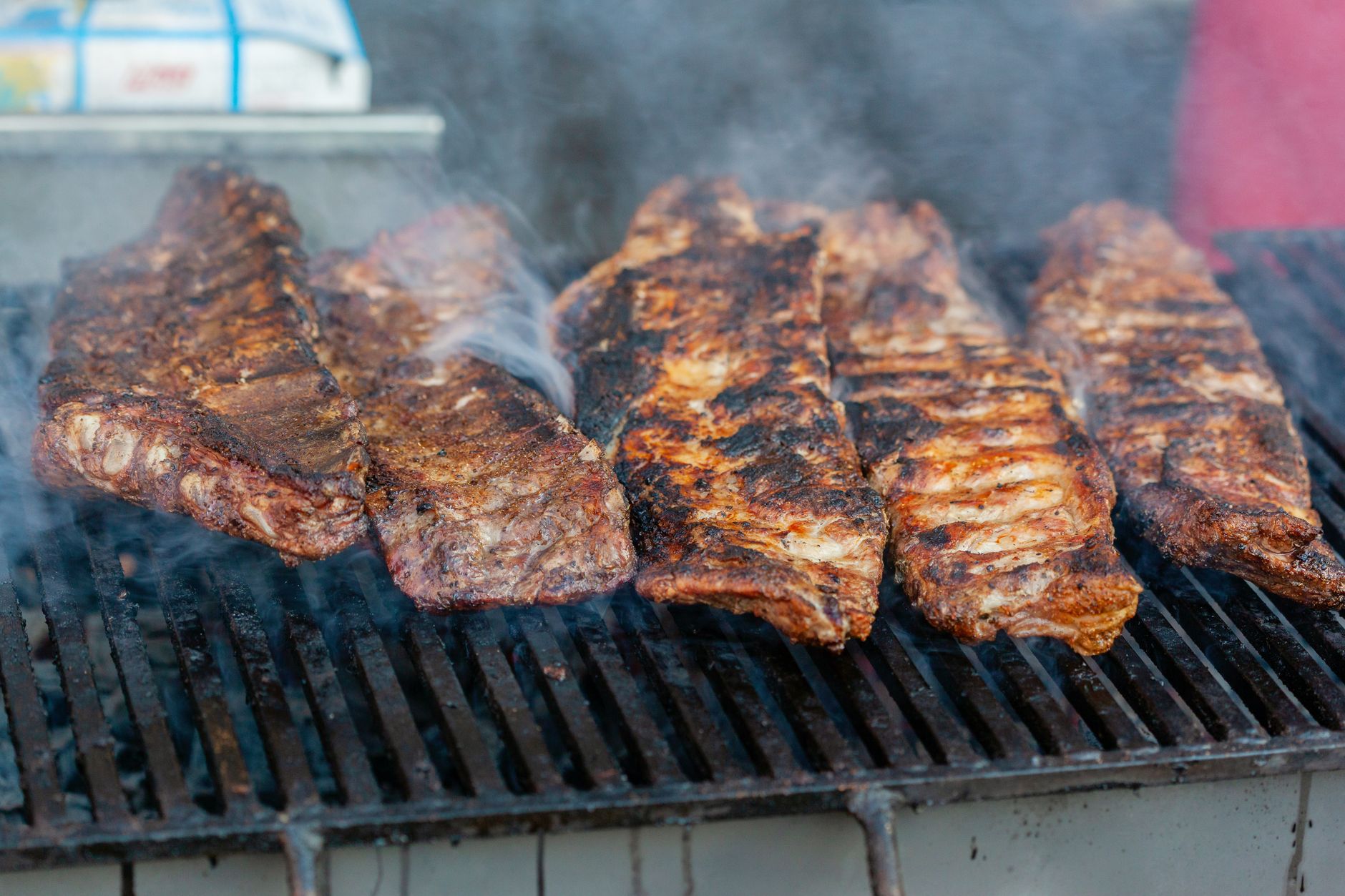
Ribs are a beloved dish enjoyed in various culinary traditions around the world. They come from different cuts of meat taken from the ribcage of animals, primarily pork, beef, and lamb. This article will explore the details of where ribs are sourced, their flavors, various cooking techniques, and how to serve them effectively.
Whether you’re a seasoned chef or a novice cook, understanding what ribs are and how to prepare them can elevate your meat game. We’ll uncover the different types of ribs, how to cook them, and even provide serving suggestions to impress your guests.
What Are Ribs From?
Ribs come from the rib section of an animal’s body, primarily taken from pigs, cows, and lambs. Each type of rib has unique characteristics, flavor profiles, and cooking methods, allowing for a range of culinary possibilities. Pork ribs tend to be tender and are often favored for barbecue dishes, while beef ribs are larger and have a richer flavor.
Types of Ribs
Understanding the different types of ribs can greatly impact your culinary choices. Here’s a breakdown of the most common varieties:
Pork Ribs
- Baby Back Ribs: Also known as loin ribs, these are small, tender ribs taken from the upper portion of the pig’s ribcage. They are usually less fatty than spare ribs and cook relatively quickly.
- Spare Ribs: These are larger and meatier than baby back ribs and come from the lower part of the ribcage. They have more fat, which can make them juicier and more flavorful when slow-cooked or barbecued.
- St. Louis Style Ribs: This cut is derived from spare ribs, with the sternum bone and cartilage removed to create a rectangular slab. They are popular for barbecuing due to their uniform shape.
Beef Ribs
- Back Ribs: These ribs are taken from the rib section of the cow and are generally larger than pork ribs. They have less meat but a rich flavor, making them great for grilling or roasting.
- Short Ribs: These come from the lower rib area and are thicker and meatier than back ribs. They are often braised or slow-cooked to enhance their tenderness and flavor.
Lamb Ribs
Lamb ribs are smaller and have a distinctive flavor. They are often slow-roasted or grilled, providing a rich and flavorful option for those looking to experiment beyond pork and beef.
Flavor and Texture
The flavor and texture of ribs can vary significantly based on the type of meat, the cooking method used, and any marinades or seasonings applied. Here’s what to expect:
- Pork Ribs: Pork ribs tend to have a slightly sweet flavor, especially when sweet barbecue sauces or spice rubs are used. The meat is generally tender and juicy, particularly when cooked slowly.
- Beef Ribs: These have a robust, beefy flavor and are often described as rich and hearty. The texture can be quite tender if cooked properly, allowing the meat to fall off the bone.
- Lamb Ribs: Lamb ribs are more gamey compared to pork or beef, providing a unique taste experience. The meat is tender and pairs well with robust herbs and spices.
Cooking Techniques for Ribs
Cooking ribs can be an art form, and there are various methods to ensure they turn out deliciously. Here we’ll cover some popular cooking techniques.
Grilling
Grilling ribs is a popular method, especially in summer. The high heat sears the outside, creating a flavorful crust while keeping the meat tender. Here’s how:
- Prepare a dry rub or marinade, allowing the ribs to soak up flavors for a few hours or overnight.
- Preheat your grill to medium-high heat.
- Place the ribs on the grill and cook for approximately 3-4 hours, flipping occasionally. Baste with your choice of sauce during the last 30 minutes.
- Check for doneness: the meat should be tender and pull away from the bone easily.
Oven Roasting
If you prefer a more controlled cooking environment, oven roasting is an excellent choice. This method keeps ribs moist and tender. Here’s a simple approach:
- Preheat the oven to 300°F (150°C).
- Rub your ribs with seasoning or marinate as desired.
- Place the ribs on a baking sheet lined with aluminum foil, covering them with another layer of foil to retain moisture.
- Roast for about 2.5 to 3 hours, removing the top layer of foil for the last 30 minutes to create a caramelized crust.
Slow Cooking
Using a slow cooker is a great way to infuse flavor and tenderness into your ribs. This method is hands-off and effective for busy cooks:
- Season the ribs and place them in the slow cooker.
- Add a liquid of choice, such as broth or barbecue sauce, to create steam and moisture.
- Cook on low for 6-8 hours or on high for 3-4 hours until the meat is tender and pulls away easily from the bone.
Serving Suggestions for Ribs
Ribs are versatile and can be served in many ways. Here are some serving suggestions to enhance their taste:
Classic Sides
- Coleslaw: The crunch and freshness of coleslaw are perfect to balance the rich flavors of ribs.
- Baked Beans: Sweet and savory baked beans pair nicely with the smoky flavors of barbecued ribs.
- Potato Salad: A creamy potato salad can offer a delightful contrast to the meat.
Sauces and Marinades
Enhance the flavor of your ribs with a variety of sauces. Some popular options include:
- Barbecue Sauce: Sweet, tangy, and smoky sauces are traditional and widely appreciated.
- Teriyaki Sauce: A sweet and savory Japanese sauce can add an interesting twist to pork ribs.
- Honey Mustard Glaze: This combination adds both sweetness and a zesty kick, ideal for all types of ribs.
Garnishes
Add some finishing touches with garnishes like chopped herbs, sliced green onions, or lemon wedges. These can enhance the dish’s visual appeal and add another layer of flavor.
Common Mistakes to Avoid
Cooking ribs is not complicated, but there are a few common pitfalls to watch out for:
- Overcooking: Slow-cooking is great, but cooking the ribs too long can lead to dry meat. Always monitor them closely.
- Skipping the Marinade: Marinating not only adds flavor but also helps tenderize the meat. Don’t skip this step!
- Using Too Much Sauce Early: While adding sauce is a must, slathering it on at the beginning can burn it. Apply sauce towards the last part of cooking.
Storage and Reheating
Leftover ribs can be stored properly for later enjoyment. Here’s how to do it effectively:
Storage
- Wrap ribs tightly in plastic wrap or aluminum foil before placing them in an airtight container.
- Refrigerate leftovers within two hours of cooking, and they should be consumed within 3-4 days.
- For long-term storage, consider freezing the ribs. They can last up to 3 months in the freezer when properly packaged.
Reheating
Reheating ribs requires some care to ensure they remain juicy:
- In the Oven: Preheat to 250°F (120°C) and cover the ribs with foil. Heat for about 20-30 minutes until warmed through.
- On the Grill: Use medium heat and cook for about 10 minutes, turning frequently to avoid drying.
- Microwave: Use a microwave-safe dish and cover to keep moisture in. Heat in short intervals, checking frequently.
Final Thoughts
Understanding what ribs are from, their types, flavor profiles, and cooking techniques can greatly enhance your culinary skills. Whether you prefer the tenderness of pork ribs or the robust flavor of beef ribs, mastering these will empower you to create mouthwatering dishes for any occasion.
Don’t hesitate to explore diverse recipes and cooking methods to make the most of your ribs. You might want to try this easy slow cooker ribs recipe or check out this delicious BBQ ribs recipe for the oven for even more flavorful options.