
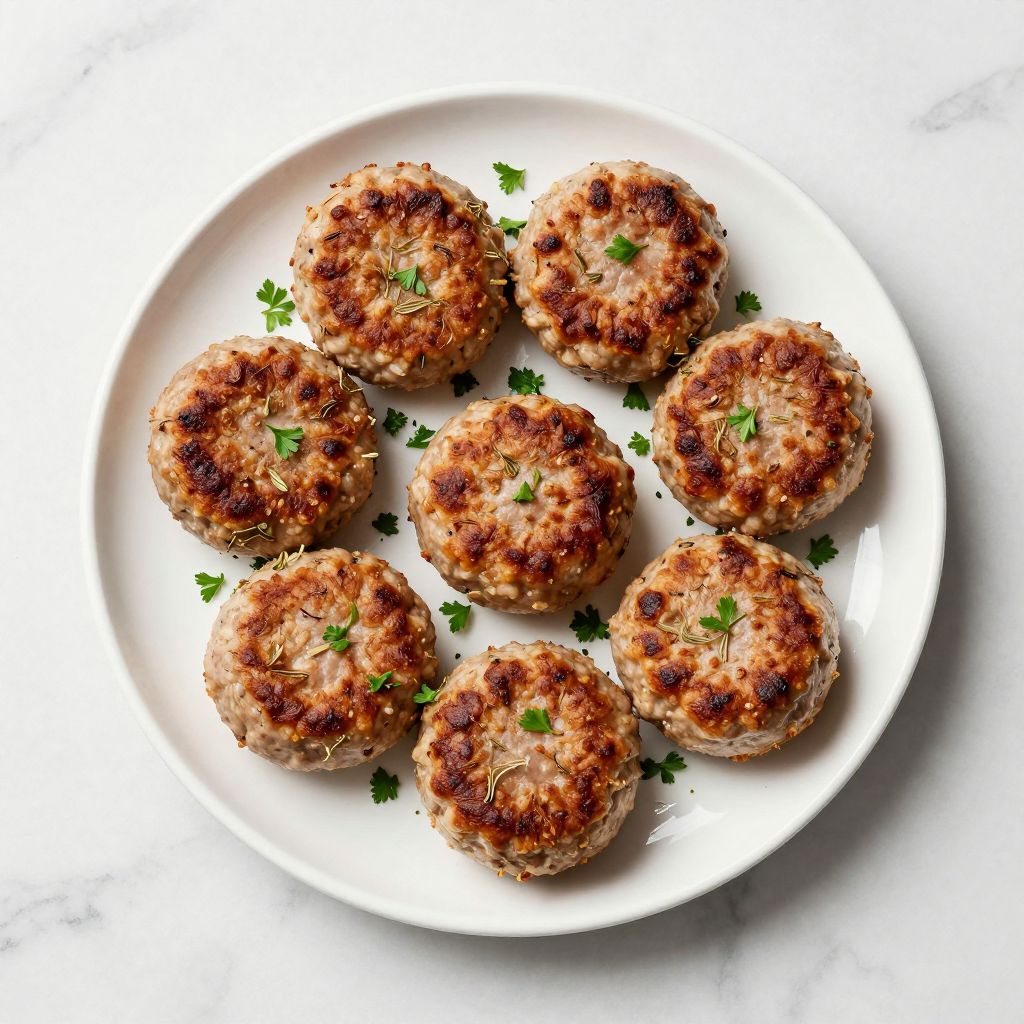
Turkey sausage is a leaner, healthier alternative to traditional pork sausage that delivers incredible flavor without the guilt. This homemade version lets you control the seasonings and skip the preservatives found in store-bought options, making it perfect for breakfast, meal prep, or adding to your favorite pasta dishes. You can whip up a batch in under 30 minutes and customize the spices to match your taste preferences.
Making your own turkey sausage at home is surprisingly simple and gives you complete control over what goes into your food. This recipe transforms ground turkey into juicy, flavorful sausage patties or links that rival anything you’d find at the butcher counter.
Why You’ll Love This Recipe
This turkey sausage recipe delivers restaurant-quality results with minimal effort and maximum flavor. It’s a versatile protein option that works for any meal of the day.
- Uses simple pantry spices to create complex, savory flavor
- Contains significantly less fat and calories than pork sausage
- Ready in just 20 minutes from start to finish
- Freezes beautifully for convenient meal prep
- Easily customizable with your favorite herbs and spices
My Experience Making This Recipe
I started making my own turkey sausage after getting tired of paying premium prices for the preservative-laden versions at the grocery store. The first batch I made was a revelation; the flavor was brighter and fresher than anything I’d purchased before.
The aroma of fennel and sage filling my kitchen on a Sunday morning became a weekend ritual. My family now requests these patties specifically, and I’ve converted several skeptical pork sausage lovers with this recipe.
The texture comes out perfectly juicy when you don’t overwork the meat, and the slight char from pan-frying adds a delicious depth. I’ve made hundreds of batches by now, tweaking the seasoning ratios until they were just right.
Recipe Overview
- Recipe Name: Homemade Turkey Sausage
- Servings: 8 patties or links
- Prep Time: 10 minutes
- Cook Time: 10 minutes
- Total Time: 20 minutes
- Course: Breakfast, Main Course
- Cuisine: American
- Calories per Serving: 165 calories
Equipment You Will Need
- Large mixing bowl
- Measuring spoons
- Large skillet or frying pan
- Spatula or wooden spoon
- Parchment paper (optional, for storage)
- Meat thermometer
Ingredients for Turkey Sausage
- 1 pound ground turkey (93% lean works best)
- 1 teaspoon fennel seeds, crushed
- 1 teaspoon dried sage
- 3/4 teaspoon salt
- 1/2 teaspoon black pepper
- 1/2 teaspoon garlic powder
- 1/4 teaspoon onion powder
- 1/4 teaspoon red pepper flakes (optional, for heat)
- 1/4 teaspoon paprika
- 1 tablespoon olive oil (for cooking)
Ingredient Notes and Substitutions
- Ground turkey: The protein base that keeps this recipe lean while the 93% lean ratio prevents dryness. You can substitute with ground chicken for a milder flavor, though it will be slightly less rich.
- Fennel seeds: These provide the classic sausage flavor with a subtle licorice note. Swap with caraway seeds for a different aromatic profile, though the taste will be more earthy.
- Dried sage: This herb gives the sausage its traditional breakfast sausage character. Fresh sage works too; use 1 tablespoon minced fresh sage instead of the dried version.
- Garlic powder: Adds savory depth without the moisture of fresh garlic. Fresh minced garlic can replace it, but use only 1 clove to avoid overpowering the other spices.
- Red pepper flakes: Brings a gentle heat that balances the other flavors. Cayenne pepper can substitute, but use just a pinch as it’s much spicier.
How to Make Turkey Sausage
Step 1: Prepare Your Spice Mixture
Combine the fennel seeds, sage, salt, black pepper, garlic powder, onion powder, red pepper flakes, and paprika in a small bowl. Mix them together thoroughly so the spices distribute evenly throughout the meat later.
Crushing the fennel seeds slightly with the back of a spoon helps release their aromatic oils. This step takes just a minute but makes a noticeable difference in flavor intensity.
Step 2: Combine Meat and Seasonings
Place the ground turkey in a large mixing bowl and sprinkle the spice mixture evenly over the surface. Gently mix the seasonings into the meat using your hands or a fork, being careful not to overwork it.
Overmixing creates a dense, tough texture, so stop as soon as the spices are evenly distributed. The mixture should look uniform in color with specks of herbs visible throughout.
Step 3: Shape the Sausage Patties
Divide the seasoned turkey mixture into 8 equal portions, roughly 2 ounces each. Shape each portion into a patty about 3 inches wide and 1/2 inch thick.
Creating an even thickness ensures the patties cook at the same rate. Pressing a slight dimple in the center of each patty prevents them from puffing up during cooking.
Step 4: Rest the Formed Patties
Let the shaped patties rest at room temperature for 5 minutes before cooking. This brief rest allows the seasonings to penetrate the meat more deeply.
The resting period also brings the meat closer to room temperature, which promotes more even cooking. If you’re making these ahead, you can refrigerate them now and cook later.
Step 5: Preheat Your Cooking Surface
Heat the olive oil in a large skillet over medium heat for about 2 minutes. The pan is ready when a drop of water sizzles immediately upon contact.
Medium heat is the sweet spot for turkey sausage; too high and the outside burns before the inside cooks through. A properly preheated pan also prevents sticking and creates a better crust.
Step 6: Cook the First Side
Place the patties in the preheated skillet, leaving space between each one. Cook undisturbed for 4 to 5 minutes until the bottom develops a golden-brown crust.
Resist the urge to move or press down on the patties as they cook. Leaving them alone allows proper browning and prevents them from falling apart.
Step 7: Flip and Finish Cooking
Carefully flip each patty using a spatula and cook for another 4 to 5 minutes on the second side. The sausages are done when they reach an internal temperature of 165°F on a meat thermometer.
The second side typically cooks slightly faster than the first. If the patties are browning too quickly but haven’t reached temperature, reduce the heat to medium-low.
Step 8: Rest Before Serving
Transfer the cooked sausage patties to a clean plate and let them rest for 2 minutes before serving. This short rest allows the juices to redistribute throughout the meat.
Cutting into the sausages immediately causes those flavorful juices to run out onto the plate. The brief wait results in noticeably juicier, more flavorful sausages.
Pro Tip: Add a tablespoon of finely grated apple to the meat mixture for extra moisture and a subtle sweetness that complements the savory spices beautifully without making the sausage taste fruity.
Tips for the Best Turkey Sausage
- Use cold meat straight from the refrigerator, as it’s easier to handle and shape without becoming sticky or mushy.
- Toast the fennel seeds in a dry pan for 30 seconds before crushing them to intensify their flavor and add a nutty dimension.
- Don’t skip the meat thermometer; turkey must reach 165°F for food safety, and guessing often leads to overcooked, dry sausage.
- Make a small test patty and cook it first to check the seasoning level before forming all the patties, allowing you to adjust if needed.
- Line a baking sheet with parchment paper and freeze formed patties individually before transferring to a freezer bag for easy grab-and-go portions.
- Add a splash of chicken broth to the pan while cooking if the patties seem dry, creating steam that keeps them moist.
Common Mistakes to Avoid
- Using extra-lean ground turkey (99% lean) results in dry, crumbly sausages because there isn’t enough fat to keep them moist during cooking.
- Cooking over high heat causes the outside to char before the inside cooks through, leaving you with burnt exteriors and raw centers.
- Overmixing the meat develops the proteins too much and creates a rubbery, hot dog-like texture instead of a tender sausage.
- Skipping the resting time after cooking means losing precious juices that should stay in the meat, resulting in drier sausages.
- Making the patties too thick leads to uneven cooking, with overcooked edges and undercooked centers that fail to reach safe temperatures.
Serving Suggestions
These turkey sausage patties are incredibly versatile and pair beautifully with both breakfast and dinner dishes. Serve them alongside your favorite sides for a complete, satisfying meal.
- Classic breakfast plate with scrambled eggs, hash browns, and whole wheat toast
- Tucked into a whole grain English muffin with a fried egg and slice of cheese for a breakfast sandwich
- Crumbled over pizza as a leaner alternative to traditional sausage toppings
- Sliced and tossed with pasta, marinara sauce, and roasted vegetables
- Served over a bed of sautéed kale and white beans for a protein-packed dinner bowl
Variations to Try
- Italian-Style: Replace the sage with Italian seasoning, add 1/2 teaspoon of dried basil, and increase the fennel to create a sausage perfect for pasta dishes with a more pronounced Mediterranean flavor.
- Maple Breakfast: Stir in 1 tablespoon of pure maple syrup and reduce the salt slightly for a sweet-and-savory breakfast sausage that pairs beautifully with pancakes.
- Spicy Chorizo-Style: Add 1 teaspoon smoked paprika, 1/2 teaspoon cumin, and increase red pepper flakes to 1/2 teaspoon for a bold, spicy version with Mexican-inspired flavors.
- Apple Sage: Mix in 1/4 cup finely diced apple and increase the sage to 1 1/2 teaspoons for a fall-inspired sausage with subtle fruity sweetness.
- Herb Garden: Swap the sage for a combination of fresh thyme, rosemary, and parsley for a brighter, more herbaceous flavor profile.
Dietary Adaptations
- Gluten-Free: This recipe is naturally gluten-free as written, containing no wheat products or fillers, so no substitutions are needed.
- Dairy-Free: The recipe contains no dairy ingredients, making it suitable for lactose-intolerant individuals without any modifications required.
- Low-Carb/Keto: With less than 1 gram of carbohydrates per serving, this recipe fits perfectly into ketogenic and low-carb meal plans without any changes.
- Paleo: This recipe aligns with paleo guidelines since it uses only meat and spices, though verify your olive oil is paleo-compliant if following strict protocols.
Storage and Reheating
Refrigerator
Store cooked turkey sausage patties in an airtight container in the refrigerator for up to 4 days. Layer parchment paper between patties to prevent them from sticking together.
- Let patties cool completely before refrigerating to prevent condensation buildup
- Uncooked formed patties keep for 2 days in the fridge
- Raw seasoned meat mixture lasts 1 to 2 days before forming and cooking
Freezer
Freeze both cooked and uncooked sausage patties for up to 3 months in freezer-safe bags or containers. Flash-freeze patties on a baking sheet before transferring to storage bags for best results.
- Label bags with the date and whether patties are cooked or raw
- Remove as much air as possible from freezer bags to prevent freezer burn
- Thaw frozen patties overnight in the refrigerator before reheating or cooking
Reheating
Reheat cooked patties in a skillet over medium-low heat for 2 to 3 minutes per side until warmed through. The microwave works in a pinch but can create a rubbery texture.
- Add a splash of water to the pan and cover to create steam for moister reheating
- Oven reheating at 350°F for 10 minutes works well for larger batches
- Avoid reheating above 165°F, which dries out the meat unnecessarily
Nutrition Information
| Nutrient | Amount |
|---|---|
| Calories | 165 |
| Total Fat | 10g |
| Saturated Fat | 2.5g |
| Carbohydrates | 1g |
| Fiber | 0g |
| Sugar | 0g |
| Protein | 18g |
| Sodium | 285mg |
| Cholesterol | 65mg |
Nutritional values are estimates based on standard ingredient measurements and may vary depending on specific brands used and portion sizes. These calculations assume 93% lean ground turkey and include the olive oil used for cooking.
Frequently Asked Questions
Can I use ground turkey breast instead of regular ground turkey?
You can, but the sausages will be significantly drier and less flavorful since turkey breast is extremely lean. Adding a tablespoon of olive oil to the meat mixture helps compensate for the lack of natural fat.
How far in advance can I make these sausages?
You can form the patties up to 2 days ahead and store them covered in the refrigerator, or freeze them for up to 3 months. The flavors actually improve slightly after sitting overnight as the spices have more time to meld with the meat.
Why are my turkey sausages falling apart when I flip them?
The patties are likely too wet or weren’t given enough time to form a crust before flipping. Make sure your pan is properly preheated and wait a full 4 to 5 minutes before attempting to flip them.
Can I bake these instead of pan-frying them?
Absolutely; bake formed patties on a parchment-lined baking sheet at 375°F for 18 to 20 minutes, flipping halfway through. You’ll miss out on the caramelized crust from pan-frying, but baking is hands-off and works great for meal prep.
What’s the best way to form sausage links instead of patties?
You’ll need sausage casings and a sausage stuffer attachment for your mixer or a dedicated stuffing tool. Without specialized equipment, forming the mixture into log shapes and wrapping tightly in plastic wrap creates a link shape, though they must be unwrapped before cooking.
Can I double this recipe easily?
Yes, this recipe scales perfectly; just double all the ingredients and mix in batches if your bowl isn’t large enough. You may need to cook the patties in multiple batches depending on your pan size.
Final Thoughts
Making your own turkey sausage at home gives you control over ingredients, flavor, and quality while saving money compared to store-bought versions. This recipe proves that healthy eating doesn’t mean sacrificing taste or spending hours in the kitchen.
Whether you’re looking for a protein-packed breakfast, a lean dinner option, or simply want to avoid processed meats, this turkey sausage delivers on all fronts. Give it a try this weekend, and you might never go back to buying pre-made sausage again.
Homemade Turkey Sausage
Ingredients
Equipment
Method
- Combine the fennel seeds, sage, salt, black pepper, garlic powder, onion powder, red pepper flakes, and paprika in a small bowl. Mix them together thoroughly so the spices distribute evenly throughout the meat later. Crushing the fennel seeds slightly with the back of a spoon helps release their aromatic oils.
- Place the ground turkey in a large mixing bowl and sprinkle the spice mixture evenly over the surface. Gently mix the seasonings into the meat using your hands or a fork, being careful not to overwork it. Stop as soon as the spices are evenly distributed.
- Divide the seasoned turkey mixture into 8 equal portions, roughly 2 ounces each. Shape each portion into a patty about 3 inches wide and 1/2 inch thick. Press a slight dimple in the center of each patty to prevent them from puffing up during cooking.
- Let the shaped patties rest at room temperature for 5 minutes before cooking. This brief rest allows the seasonings to penetrate the meat more deeply.
- Heat the olive oil in a large skillet over medium heat for about 2 minutes. The pan is ready when a drop of water sizzles immediately upon contact.
- Place the patties in the preheated skillet, leaving space between each one. Cook undisturbed for 4 to 5 minutes until the bottom develops a golden-brown crust.
- Carefully flip each patty using a spatula and cook for another 4 to 5 minutes on the second side. The sausages are done when they reach an internal temperature of 165°F on a meat thermometer.
- Transfer the cooked sausage patties to a clean plate and let them rest for 2 minutes before serving. This short rest allows the juices to redistribute throughout the meat.