
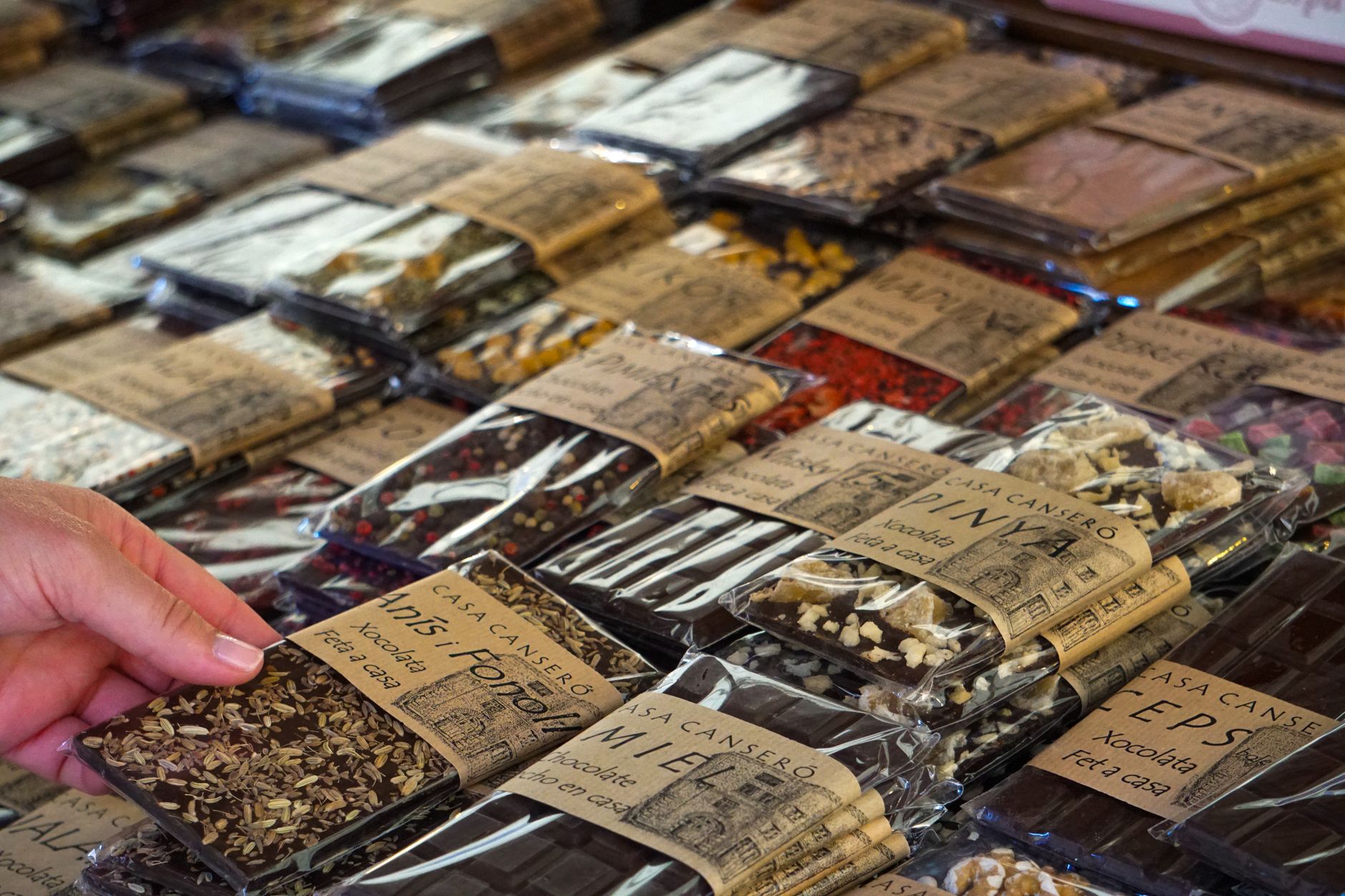
Chocolate is not just a delightful treat but also a versatile ingredient used in various culinary creations. Whether you’re baking cakes, making candies, or simply enjoying a bar, knowing how much chocolate to use can be pivotal to achieving the right flavor and texture. This comprehensive guide will help you understand chocolate types, serving sizes, and how to use chocolate effectively in your cooking.
This article covers everything from chocolate yield and portion sizes to key tips on how to incorporate chocolate into your recipes successfully. We will also explore substitution options and address common chocolate-related questions to ensure you can confidently use chocolate in your kitchen.
How Much Chocolate Should You Use?
The amount of chocolate you should use varies widely depending on the recipe, its intended purpose, and the type of chocolate you are using. Let’s break down the main chocolate varieties and their common serving sizes in various culinary contexts.
Types of Chocolate
Understanding the different types of chocolate is crucial for knowing how much to use and how they will behave in your recipes. Here are the most common categories:
- Dark Chocolate: Contains a higher percentage of cocoa solids and less sugar compared to other types. Typically, dark chocolate has 50-90% cocoa content.
- Milk Chocolate: Sweeter and creamier due to the addition of milk solids. Usually contains 10-50% cocoa solids.
- White Chocolate: Technically not chocolate since it doesn’t contain cocoa solids; it’s made from cocoa butter, sugar, and milk solids.
- Bittersweet and Semi-Sweet Chocolate: Often used in baking, bittersweet chocolate has a higher cocoa content than semi-sweet chocolate, which is typically around 50-60% cocoa.
- Cocoa Powder: This comes in two varieties: natural cocoa powder and Dutch-processed cocoa powder, often used in baking to enhance flavor.
Common Serving Sizes for Chocolate
When it comes to using chocolate in recipes, serving sizes can vary. Here are some standard measurements to keep in mind:
Baking Chocolate
- Cakes: Recipes typically require 4 to 8 ounces of chocolate, depending on its type and richness desired.
- Brownies: Generally, you will need 6 to 10 ounces of chocolate to achieve a rich flavor.
- Bread or Muffins: Including chocolate chips or chunks ranges from 1 to 2 cups, depending on the recipe.
Chocolate Confections
- Chocolate Truffles: Each truffle is commonly made with around 1 ounce of chocolate.
- Chocolate Bars: Standard bars typically contain 3 to 4 ounces. Portions can be broken down into serving sizes of about 1 ounce (or typically one square).
Sauces and Puddings
- Chocolate Sauce: Usually requires about 4 ounces of chocolate for a cup of finished sauce.
- Chocolate Pudding: Recipes generally require around 3 to 5 ounces of chocolate to achieve the desired flavor.
Hot Chocolate
- Homemade Hot Chocolate: For a rich serving, aim for about 2 ounces of chocolate per cup of milk.
How to Choose Chocolate for Your Recipes
The selection of chocolate can greatly influence the final outcome of your dish. Here are some tips to guide your choice:
- Quality Matters: Opt for high-quality chocolate. If you wouldn’t eat it as is, it won’t improve in your recipe.
- Bittersweet vs. Semisweet: For baked goods, bittersweet chocolate can yield a more intense chocolate flavor, while semi-sweet is often sweeter and more approachable.
- Check for Additives: Some chocolates contain added ingredients like preservatives or artificial flavors. Pure bars are recommended for the best flavor.
- Freshness Counts: Check the expiration date on your chocolate. Stale chocolate can impact taste and texture.
Converting Chocolate Measurements
If you find yourself in a situation where you need to convert chocolate types or measurements, here are some practical conversions:
| Chocolate Type | Equivalent Measurement |
|---|---|
| 1 ounce unsweetened baking chocolate | 3 tablespoons cocoa powder + 1 tablespoon fat (butter, shortening) |
| 1 ounce bittersweet chocolate | 2 teaspoons granulated sugar + 1 ounce semisweet chocolate |
| 1 ounce semisweet chocolate | 1 ounce milk chocolate with added sugar |
Using Chocolate in Various Recipes
Now that you know how much chocolate to use, let’s discuss how to integrate it into different recipes effectively.
Baking with Chocolate
In baking, chocolate can be used in various forms—melted, chopped, or as cocoa powder. Here are some techniques to follow:
- Melted Chocolate: When recipes call for melted chocolate, use a double boiler or microwave on low power, stirring frequently to avoid burning.
- Chopped Chocolate: For chocolate chunks or bits, coarsely chop or use chocolate chips. This avoids uneven melting.
- Cocoa Powder: Adjust the other ingredients to maintain balance. Cocoa powder may require additional liquid compared to solid chocolate.
Making Chocolate Sauces and Drinks
Chocolate sauces are versatile toppings that add richness to desserts. Here’s how to create a simple chocolate sauce:
- In a saucepan over medium heat, combine 1 cup of heavy cream with 8 ounces of chopped chocolate.
- Stir until the chocolate is melted and smooth.
- Add a splash of vanilla extract for flavor, if desired, then let cool before using.
Storing Your Chocolate
Proper storage of chocolate is essential to maintain its quality and flavor. Here are the best practices:
- Cool, Dry Place: Store chocolate in a cool, dry environment away from sunlight. A pantry or cupboard works best.
- Avoid Refrigeration: Refrigerating chocolate can lead to moisture and bloom. If you must refrigerate, wrap it tightly to prevent moisture absorption.
- Freezing Chocolate: Chocolate can be frozen but should be double-wrapped to avoid odor absorption. Thaw gently before use.
Common Mistakes When Using Chocolate
When working with chocolate, avoid these common pitfalls:
- Burning Chocolate: Make sure to melt chocolate slowly; overheating can cause it to seize and result in a grainy texture.
- Incorrect Measurements: Be precise with measurements, especially when converting from one type of chocolate to another.
- Old Chocolate: Using stale or outdated chocolate can ruin your dish’s flavor.
Substituting Chocolate in Recipes
Sometimes, you may need to substitute chocolate. Here are some effective alternatives:
- Cocoa Powder for Chocolate: Use 3 tablespoons of cocoa powder plus 1 tablespoon of fat (like butter) for every ounce of unsweetened chocolate.
- Dark Chocolate for Milk Chocolate: If substituting dark chocolate for milk chocolate, consider reducing the sugar in the recipe to achieve desired sweetness.
- Chocolate Chips vs. Chopped Chocolate: When using chocolate chips in place of chopped chocolate, monitor baking time as chips may not melt completely.
Final Thoughts
Understanding how much chocolate to use and how to work with it allows for more successful and delicious results in the kitchen. As you experiment with different types of chocolate and recipes, you’ll discover what works best for your palate and your favorite dishes. Now, armed with this knowledge, you can create richer desserts, beverages, and snacks that perfectly suit your tastes.
For more exciting recipes and tips, explore our Mexican Hot Chocolate Recipe or learn how to make a delicious Chia Pudding with Coconut Milk.