
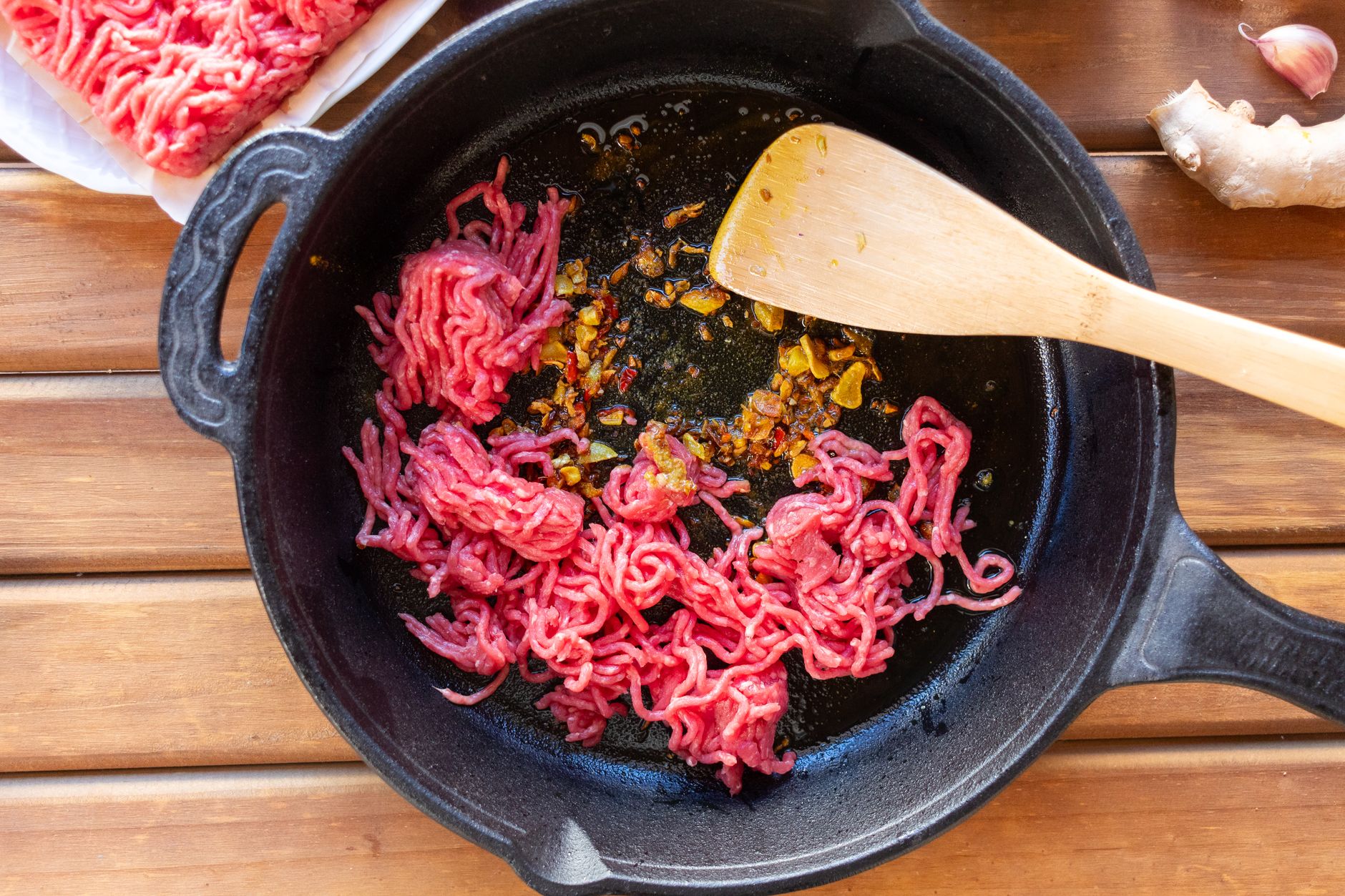
When it comes to cooking, understanding the basics can make a significant difference in the outcome of your dishes. Browning ground beef is a key technique used in various recipes, from tacos to casseroles. Knowing how long to brown ground beef is essential to achieving the perfect flavor and texture.
Browning ground beef enhances its taste, adds depth to your dish, and creates a pleasing texture. But getting it just right takes some skill and attention. This article will delve into the factors affecting browning time, practical cooking tips, and common uses for browned ground beef.
How Long to Brown Ground Beef?
The actual time it takes to brown ground beef typically ranges from 5 to 10 minutes, depending on several factors like the heat level, the amount of meat, and even the type of pan used. The goal is to cook the beef until it’s uniformly brown and cooked through while breaking it into smaller pieces for an even texture.
Understanding the Browning Process
Browning ground beef is a form of cooking called the Maillard reaction, where the proteins in the meat react with sugars when heated. This reaction develops rich flavors and changes the color of the meat. It’s a crucial step for many recipes, as it not only improves taste but also creates a desirable appearance.
Factors Influencing Browning Time
- Heat Level: Cooking on high heat will brown the beef quickly but may risk burning it if not watched closely. Medium heat is generally recommended for a more controlled browning.
- Pan Type: A heavy-bottom skillet or cast-iron pan retains heat better, leading to more even cooking and browning than a thin pan.
- Meat Quantity: More ground beef takes longer to brown, so avoid overcrowding the pan. If you’re also using ingredients like onions or peppers, add the meat in batches for optimal browning.
Steps to Properly Brown Ground Beef
- Prepare the Meat: Break the ground beef into smaller chunks (about 1 to 2 inches) for even cooking. Allow the meat to sit at room temperature for about 15 minutes to promote even cooking.
- Heat the Pan: Preheat your skillet or pan over medium-high heat. If you’re using a non-stick skillet, you may not need to add oil; otherwise, add a tablespoon of oil to help prevent sticking.
- Add the Ground Beef: Once the pan is hot, add the ground beef in an even layer. Avoid overcrowding the pan to ensure even browning.
- Let It Brown: Allow the meat to cook undisturbed for about 3 to 5 minutes. This helps develop a nice crust on one side.
- Break It Up: After 3 to 5 minutes, use a spatula to break the meat apart. Continue cooking for another 2 to 5 minutes until browned and cooked through.
- Drain Excess Fat: If there’s excess grease, carefully drain this from the pan before proceeding with your recipe.
Common Mistakes When Browning Ground Beef
Even experienced cooks can make mistakes when browning ground beef. Here are common issues to avoid:
- Overcrowding the Pan: This prevents proper browning and can lead to steaming rather than searing. Cook in batches if necessary.
- Using Low Heat: While low heat is suitable for some cooking techniques, it can prevent the Maillard reaction from occurring, resulting in grayish meat.
- Not Allowing Time to Brown: Resist the urge to stir too frequently. Letting the beef sear undisturbed allows it to develop a deeper flavor.
- Ignoring Seasoning: For enhanced flavor, consider salting your ground beef while it cooks, or adding spices and herbs to align with your recipe.
Best Practices for Browning Ground Beef
To get the best flavor and texture when browning ground beef, keep these practices in mind:
- Use Fresh Meat: Fresh ground beef can produce better results than meat that has been stored for an extended period. Look for bright red color with minimal browning.
- Choose the Right Fat Content: Ground beef comes in various fat contents, such as 80/20 or 90/10. The higher fat content offers more flavor and moisture but may require draining some grease after browning.
- Experiment with Seasoning: Adding spices or marinades before browning can enhance the dish’s flavor profile. Consider seasonings like garlic powder, onion powder, or herbs.
Kitchen Equipment for Browning Ground Beef
Using the right kitchen tools can streamline the browning process:
- Skillet or Frying Pan: A medium or large skillet is ideal. Cast iron or stainless steel pans provide an excellent heat source.
- Spatula or Wooden Spoon: Use these for breaking up the beef and stirring without damaging your pan.
- Colander or Sieve: Useful for draining excess grease from the meat once browned.
- Meat Fork: Helps in breaking the meat into smaller pieces effectively.
Using Browned Ground Beef in Dishes
Browned ground beef is a versatile ingredient in the kitchen. Here are a few common uses:
- Tacos and Burritos: Use browned beef as the filling along with toppings like cheese, lettuce, and salsa.
- Casseroles: Mix browned ground beef with pasta, beans, or vegetables for a hearty casserole.
- Burgers: Incorporate into patties dressed with your favorite seasonings for flavorful burgers.
- Chili: Add browned beef to chili recipes for that robust flavor profile.
Storage and Reheating of Browned Ground Beef
Proper storage practices are essential to maintain the freshness of your cooked beef:
- Cooling: Allow browned ground beef to cool to room temperature before storage.
- Refrigeration: Store in an airtight container in the refrigerator for up to 3 to 4 days.
- Freezing: Browned ground beef can be frozen for up to 3 months. Store in vacuum-sealed bags to reduce freezer burn.
When ready to reheat, you can use a skillet over medium heat until heated through. Alternatively, use a microwave in short intervals, stirring occasionally, to ensure even heating.
Practical Substitutions and Variations
Whether you’re changing dietary needs or simply want to experiment, there are various substitutions for ground beef:
- Ground Turkey: A leaner option with a slightly different flavor. It tends to require more seasoning due to its mild taste.
- Ground Chicken: Similar to turkey but offers a bolder flavor. Also, consider adding more spices to enhance its taste.
- Plant-Based Alternatives: Options like quinoa or lentils work well in casseroles and chili for a vegetarian version.
- Ground Pork: Can be mixed with beef for added flavor and moisture.
Conclusion
Browning ground beef is a crucial cooking skill that can significantly enhance both flavor and texture in numerous dishes. Understanding how long to brown ground beef and following best practices ensures delicious results every time. With these insights, you’ll be well-prepared to elevate your cooking and experiment with many recipes.
To explore further, consider checking out how long ground beef is good for in the fridge or dive into a delicious Mongolian ground beef recipe for some flavor inspiration.