
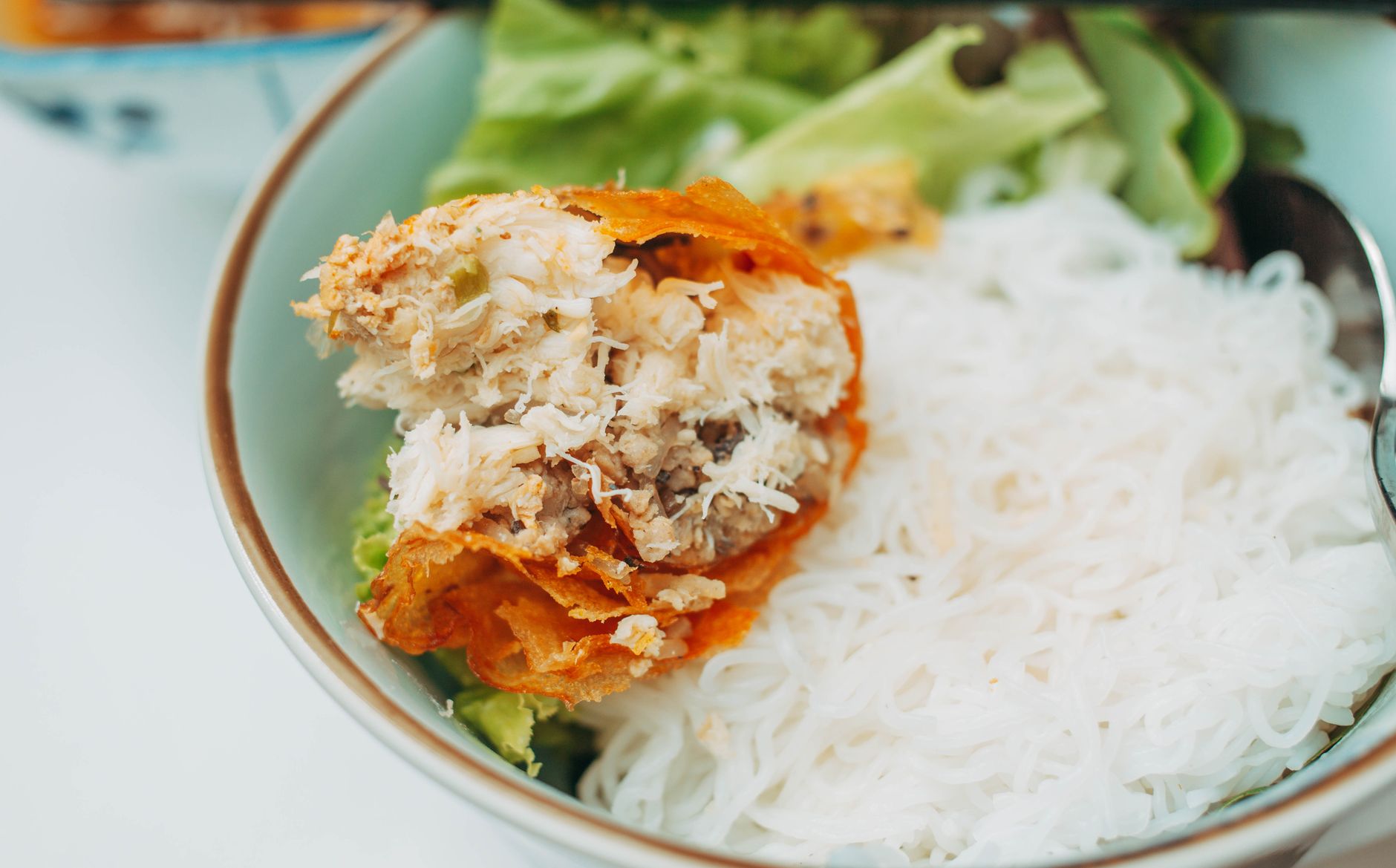
Vermicelli, a popular food ingredient in various cuisines, often raises questions about gluten content due to its dietary implications for those with gluten sensitivities or celiac disease. Understanding whether vermicelli is gluten-free is crucial for planning meals and ensuring they are safe for those avoiding gluten.
This article explores the gluten content of vermicelli, its ingredients, potential allergens, and more, so that you can make informed choices while cooking and enjoying this versatile noodle.
Is Vermicelli Gluten Free?
Most traditional vermicelli is not gluten-free as it is typically made from wheat flour, which contains gluten. However, there are gluten-free alternatives available made from rice, mung beans, or other gluten-free ingredients. It’s essential to check labels carefully.
What is Vermicelli?
Vermicelli is a type of thin noodle that originated in Italy but has since spread to many other cuisines, including Asian and Indian. The name translates to “little worms,” which describes its thin shape. Vermicelli is often used in soups, stir-fries, salads, and desserts, making it a versatile addition to many dishes.
Types of Vermicelli
There are mainly two types of vermicelli: Italian and Asian. Each has unique uses, flavors, and ingredients.
Italian Vermicelli
Italian vermicelli is made from durum wheat semolina and has a slightly chewy texture. It is typically cooked in boiling water and served with sauces or incorporated into baked dishes.
Asian Vermicelli
Asian vermicelli, particularly the rice vermicelli, is commonly made from rice flour and water, making it suitable for gluten-free diets. It is often used in dishes such as stir-fries, salads, and soups.
Ingredients and Their Gluten Content
The key to determining whether a specific type of vermicelli is gluten-free lies in its ingredients. Here is a breakdown:
- Wheat Vermicelli: Made from wheat flour, contains gluten. Common in Italian dishes.
- Rice Vermicelli: Made from rice flour, typically gluten-free. Common in Southeast Asian cuisines.
- Mung Bean Vermicelli: Made from mung bean starch, also gluten-free. Used in various Asian dishes.
Checking for Gluten
When shopping for vermicelli, it is essential to read labels carefully. Here are some tips to ensure you select gluten-free options:
- Look for “gluten-free” labels on packaging.
- Check the ingredients list for any mention of wheat or other gluten-containing grains.
- Avoid bulk items unless they are labeled gluten-free, as cross-contamination might occur.
- Research brands known for gluten-free products.
Vermicelli and Allergens
In addition to gluten, it’s essential to consider other allergens that can be present in vermicelli products. Some notable considerations include:
- Wheat: Present in traditional vermicelli, avoid if gluten-sensitive.
- Soy: Some brands may be processed in facilities that handle soy products.
- Eggs: Occasionally, certain noodles may contain egg, so verify for egg allergies.
Cooking with Gluten-Free Vermicelli
For those opting for gluten-free vermicelli, the cooking process is similar but may differ slightly based on the product. Here are some cooking tips:
Preparation Steps
- Boil water in a pot. For rice vermicelli, use enough water to allow for easy movement.
- Add the vermicelli noodles once the water is boiling.
- Cook according to package instructions, usually about 3-5 minutes for rice vermicelli and slightly longer for mung bean vermicelli.
- Stir occasionally to prevent sticking.
- Once cooked, drain the noodles and rinse them under cold water to stop the cooking process.
Common Dishes Featuring Vermicelli
Vermicelli can be the star or a supporting player in various dishes. Here are a few popular recipes that utilize vermicelli:
1. Vermicelli Salad
A refreshing salad dish made with rice vermicelli, fresh vegetables, herbs, and a zesty dressing, perfect for summer.
2. Stir-Fried Vermicelli
This dish combines cooked vermicelli with proteins like chicken or shrimp and an assortment of vegetables, seasoned with soy sauce.
3. Pho
A traditional Vietnamese soup featuring rice vermicelli noodles, broth, fresh herbs, and a choice of protein, making it a hearty option.
4. Dessert Noodles
In certain cuisines, vermicelli is used in sweet dishes, combined with coconut milk, sugar, and fruits.
Substitutions for Vermicelli
If you find yourself without vermicelli or want to explore other options, consider these substitutions:
- Rice Noodles: A suitable replacement for rice vermicelli.
- Spaghetti or Angel Hair Pasta: Can replace wheat vermicelli if gluten is not a concern.
- Zoodles: Made from zucchini, great for a low-carb, gluten-free substitute.
Common Mistakes When Cooking Vermicelli
While cooking vermicelli may seem straightforward, certain pitfalls can occur. Here are some to watch out for:
- Overcooking: Noodles can become mushy if boiled for too long. Follow package instructions.
- Not rinsing: Rinsing cooked noodles helps prevent sticking.
- Ignoring label instructions: Different types of vermicelli may have varying cooking times; always reference the package.
Storing Vermicelli
Proper storage of vermicelli can ensure its freshness and prevent spoilage. Here are some guidelines:
- Keep dried vermicelli in a cool, dry place, away from humidity.
- Once opened, transfer to an airtight container to maintain freshness.
- Cooked vermicelli can be stored in the refrigerator for about 3-5 days in an airtight container.
Conclusion
To summarize, traditional vermicelli made from wheat flour is not gluten-free and should be avoided by those with gluten intolerance or celiac disease. However, gluten-free alternatives, such as rice vermicelli or mung bean vermicelli, are readily available and can be used in various dishes. Always check labels and ingredient lists to ensure safety.
Explore more about gluten-free grains and noodles, including whether basmati rice is gluten-free and the gluten content of potatoes.