
Pork chops are a delicious and versatile cut of meat enjoyed in various cuisines around the world. However, like all perishable foods, they can spoil if not handled or stored properly. Detecting spoiled pork chops is essential for food safety, ensuring that your meals remain both tasty and safe to eat.
This guide will equip you with the knowledge you need to determine whether pork chops have gone bad, explore optimal storage methods, and provide tips for maintaining their freshness and flavor.
How Do You Know If Pork Chops Are Bad?
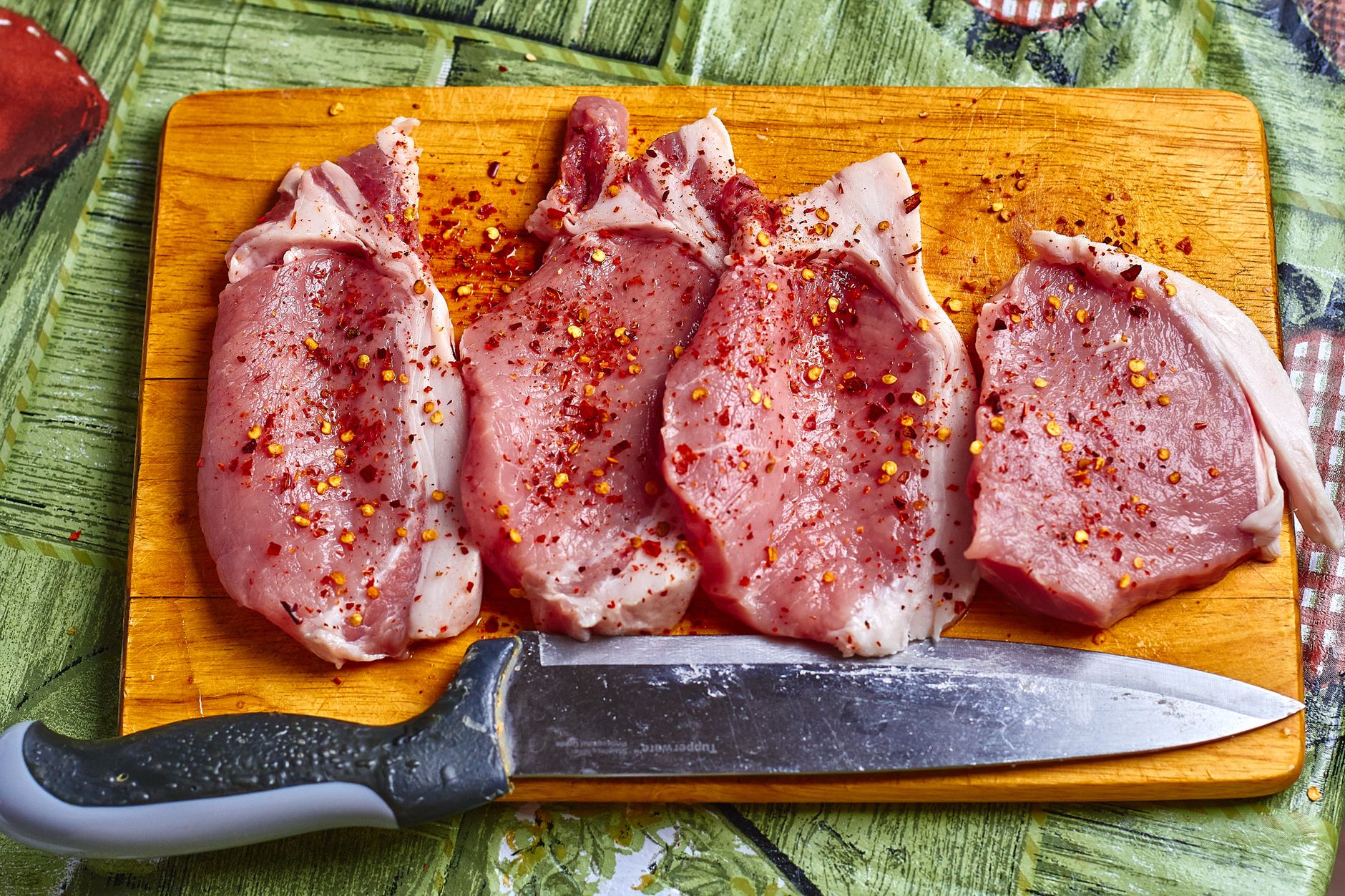
Determining whether pork chops are bad involves assessing their appearance, smell, and texture. Fresh pork chops should be pink or light red, have a slightly firm texture, and emit a mild odor. Spoiled pork may turn greyish or green, feel slimy, or smell sour or rancid.
Signs That Pork Chops Have Gone Bad
When evaluating pork chops, there are a few key signs to look for that indicate spoilage:
- Color change: Fresh pork chops are typically a pink or light red color. If the pork chops appear grey, brown, or green, it may indicate spoilage.
- Texture: Fresh meat should feel firm to the touch. If the pork chops feel slimy or sticky, that’s a clear indication that they have gone bad.
- Smell: Pork chops should have a mild smell. A sour, rancid, or ammonia-like odor indicates that the meat is spoiled.
- Expiration date: Always check the sell-by or use-by date on the packaging. If this date has passed, consider the pork chops to be potentially unsafe.
Storage Guidelines for Pork Chops
Proper storage is crucial to extending the shelf life of pork chops. Here are guidelines to ensure your pork chops remain fresh and safe:
Refrigeration
Pork chops should be stored in the refrigerator if you plan to use them within a few days. Here are some tips for refrigeration:
- Keep pork chops in their original packaging if possible, and place them on a plate or in a shallow dish to catch any drips.
- Cover the package tightly with plastic wrap or aluminum foil to prevent exposure to air, which can accelerate spoilage.
- Store chopped pork on the bottom shelf of the refrigerator, away from other foods, to avoid cross-contamination.
Freezing
If you are not going to use the pork chops within a few days, freezing is an excellent option. Follow these guidelines for freezing pork chops:
- Wrap the pork chops tightly in plastic wrap or aluminum foil.
- Place the wrapped pork chops in a freezer-safe plastic bag or airtight container to prevent freezer burn.
- Label the bag or container with the date for easy reference.
When stored properly, pork chops can be kept in the freezer for up to six months while maintaining quality.
How to Thaw Pork Chops Safely
When you’re ready to use frozen pork chops, it’s crucial to thaw them safely to prevent bacterial growth:
- Refrigerator Thawing: This is the safest method. Place the frozen pork chops in the refrigerator for several hours or overnight, depending on their thickness.
- Cold Water Thawing: If you need to thaw them faster, place the pork chops in a sealed plastic bag and submerge them in cold water, changing the water every 30 minutes.
- Microwave Thawing: You can also use the microwave’s defrost setting, but cook the pork chops immediately after thawing, as some areas may begin to cook and become partially cooked.
Cooking Tips for Pork Chops
Cooking pork chops safely ensures a delicious and safe meal. Here are some essential tips:
- Always cook pork chops to an internal temperature of 145°F (63°C) to ensure they are safe to eat.
- Let the pork chops rest for at least three minutes after cooking. This allows the juices to redistribute throughout the meat, resulting in a more tender and juicy chop.
- Use a meat thermometer to accurately check the internal temperature of your pork chops.
Common Mistakes and Troubleshooting
When handling and cooking pork chops, avoiding common mistakes will help ensure a safe and delicious result:
Ignoring the Smell Test
Many cooks overlook the importance of the smell test. Always give the pork chops a sniff before cooking them. If they smell off or unpleasant, throw them away.
Overcooking
Overcooking pork chops can lead to dry, tough meat. Pay attention to the cooking time and internal temperature to avoid this issue.
Inadequate Storage
Improperly stored meat can spoil quickly. Make sure you follow proper storage guidelines and check the pork regularly for any signs of spoilage.
When to Discard Pork Chops
It’s vital to err on the side of caution. If you’re unsure about the safety of your pork chops, it’s best to discard them.
Here are some instances when you should definitely throw them away:
- If you’ve cooked them and they’ve been left out at room temperature for more than two hours.
- If they exhibited any signs of spoilage, such as discoloration or a foul odor.
- If they’ve been in the refrigerator for more than 3-5 days.
How Long Can You Store Pork Chops?
Knowing how long pork chops can be stored aids in meal planning and reduces waste.
- Refrigerated Pork Chops: Generally safe for 3 to 5 days.
- Frozen Pork Chops: Best used within 4 to 6 months for best quality.
Recipes Using Pork Chops
If you’ve determined your pork chops are fresh and safe to cook, consider trying these recipes:
- Baked Pork Chop Recipe: A simple and flavorful baked pork chop that highlights the meat’s tenderness.
- How Long to Bake Boneless Pork Chops: Discover the optimal baking time for juicy boneless pork chops.
Conclusion
Understanding how to assess the freshness of pork chops can help you avoid foodborne illness while ensuring delicious meals. Remember to always look for signs of spoilage, practice proper storage, and follow safe cooking guidelines. With these tips in mind, you can enjoy perfectly cooked pork chops, adding a robust flavor to your meals.
Explore related recipes, cooking tips, or food guides for more insights into cooking and ingredient preparation. Check out the Baked Pork Chop Recipe or learn How Long to Bake Boneless Pork Chops to expand your culinary repertoire.