
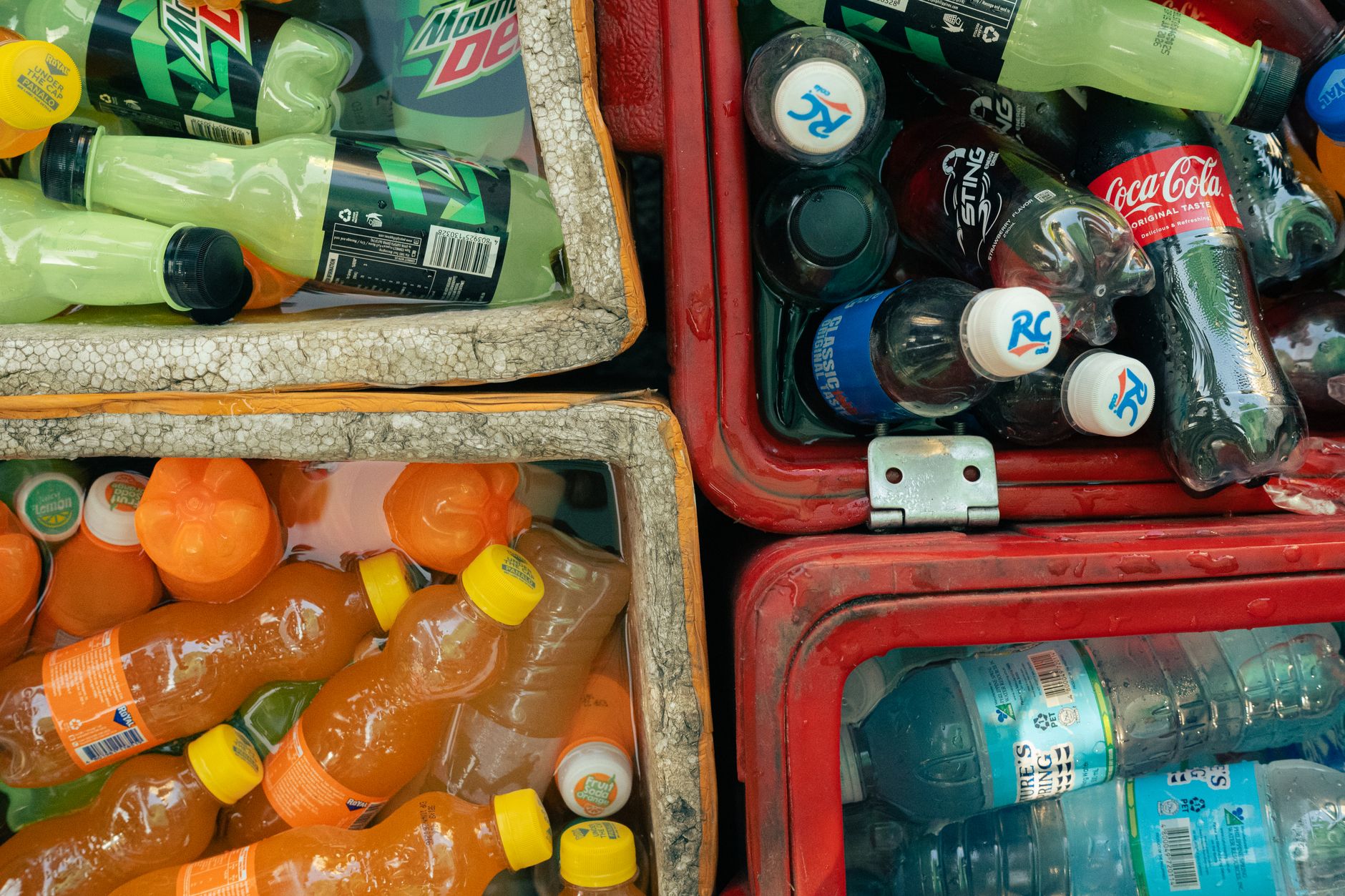
Mountain Dew is a popular citrus-flavored soft drink that has captivated refreshment lovers since its inception. Originating in the 1940s, this fizzy drink has a storied history and is known for its distinctive taste, bright color, and energetic branding. In this article, we’ll explore the interesting journey of Mountain Dew from its initial creation to a beloved beverage.
Not only will we answer the question about what year Mountain Dew came out, but we will also delve into its ingredient profile, variations, and some fun uses in culinary applications. Let’s dive into the refreshing world of Mountain Dew.
What Year Did Mountain Dew Come Out?
Mountain Dew was first created in 1940 by Barney and Ally Hartman, two beverage bottlers in Tennessee. Originally developed as a mixer for whiskey, it gained popularity and underwent various formulations before becoming the well-known product we recognize today.
From Origins to Mainstream Success
Initially, Mountain Dew was a small-scale operation focusing on a unique citrus flavor. The Hartman brothers designed the beverage as a mixer that would complement spirits, primarily bourbon. It wasn’t until 1961 that the rights to Mountain Dew were acquired by the Tip Corporation, which refined the formula. This version of Mountain Dew was notably different, targeting a broader market with a more pronounced citrus flavor.
In 1966, the Mountain Dew branding caught the attention of the Pepsi-Cola Company, which purchased the brand. Pepsi introduced extensive marketing campaigns, positioning Mountain Dew as a high-energy soft drink aimed particularly at young, adventurous drinkers. Their creative advertising strategies and quirky slogans propelled Mountain Dew into the mainstream.
The Evolution of Flavor
Mountain Dew has undergone numerous adaptations over its history. Here’s how its flavors and formulations have evolved:
- Original Formula: The original Mountain Dew had a smoother taste, primarily intended for mixing with alcohol.
- Mountain Dew Live Wire: Launched in 2003, this orange-flavored version appealed to fans of citrus and added a twist to the classic.
- Mountain Dew Code Red: Introduced in 2001, this cherry-flavored variant became a fan favorite and solidified Mountain Dew’s place in snack culture.
- Mountain Dew Voltage: Featuring a berry flavor with a charge of ginseng, Voltage debuted in 2008 and offers a unique twist on the traditional taste.
Nutritional Profile and Ingredients
The main ingredients in Mountain Dew include carbonated water, high fructose corn syrup, citric acid, sodium benzoate, caffeine, and natural flavors. Below is a breakdown of quality assurance and nutritional considerations:
- Carbonated Water: Provides the fizz and refreshment.
- High Fructose Corn Syrup: Adds sweetness and is a common sweetener in many soft drinks.
- Citric Acid: Enhances the tangy flavor and acts as a preservative.
- Sodium Benzoate: Preserves shelf life, preventing the growth of bacteria and fungi.
- Caffeine: Mountain Dew’s caffeine content is notable, providing an energy boost to its consumers.
Each flavor variant may have slightly different ingredients, so it’s always wise to check the label for specifics, especially for dietary restrictions or preferences.
Creative Uses of Mountain Dew in Cooking
Beyond its role as a refreshing beverage, Mountain Dew has found its way into various culinary creations. Here are some creative uses for this citrus soda:
Marinades and Glazes
Mountain Dew can be incorporated into marinades and glazes due to its acidity and sweetness. The sugars caramelize beautifully when cooked, making it an excellent choice for ribs, chicken, and even salmon.
Simple Marinade Recipe
This easy marinade uses Mountain Dew to flavor grilled chicken effectively:
- Ingredients:
- 1 cup Mountain Dew
- 1/4 cup soy sauce
- 2 tablespoons olive oil
- 2 teaspoons garlic powder
- 1 teaspoon black pepper
Instructions:
- In a bowl, combine Mountain Dew, soy sauce, olive oil, garlic powder, and black pepper.
- Place chicken in a resealable plastic bag and pour the marinade over it.
- Seal the bag and toss gently to coat the chicken. Refrigerate for at least 1 hour (up to overnight).
- Grill or bake the chicken as desired, basting with additional marinade for extra flavor.
Baking and Desserts
Mountain Dew can also be used in baking, adding a unique flavor to cakes and cupcakes. The acidity helps tenderize batter and provides a slight lemon-lime flavor.
Mountain Dew Cake Recipe
This recipe makes an incredibly moist cake that’s perfect for gatherings.
- Ingredients:
- 1 box lemon cake mix
- 1 cup Mountain Dew
- 1/3 cup vegetable oil
- 3 large eggs
Instructions:
- Preheat oven to 350°F (175°C).
- In a mixing bowl, combine the cake mix, Mountain Dew, oil, and eggs until well blended.
- Pour the batter into a greased 9×13 inch pan.
- Bake for 30-35 minutes or until a toothpick inserted into the center comes out clean.
- Allow the cake to cool before frosting or serving.
Mountain Dew Variants
In recent years, Mountain Dew has expanded its flavor lineup to include a variety of interesting options, catering to different preferences. Here’s a look at some popular variants:
- Mountain Dew Zero Sugar: This no-calorie version has a similar taste profile to the original.
- Mountain Dew Baja Blast: Initially introduced as a Taco Bell exclusive, this tropical variant has become widely popular.
- Mountain Dew Major Melon: A watermelon-flavored twist that hit shelves in 2021.
Mixology and Cocktails
Mountain Dew can elevate cocktails with its unique flavor dynamics. Here are some fun cocktail ideas:
Mountain Dew Margarita
This twist on a classic margarita uses Mountain Dew for added sweetness and fizziness.
- Ingredients:
- 2 oz tequila
- 1 oz lime juice
- 4 oz Mountain Dew
- Ice
- Lime wheel for garnish
Instructions:
- In a shaker, combine tequila, lime juice, and ice.
- Shake well and strain into a glass filled with ice.
- Top with Mountain Dew and garnish with a lime wheel.
Common Mistakes with Mountain Dew Recipes
When using Mountain Dew in culinary creations, remember these common pitfalls:
- Using too much soda can result in overly sweet dishes. Balance is key.
- Ensure that any heat applied (like during grilling) is managed so as not to burn sugars.
- When baking, avoid overmixing the batter which can lead to a dense texture.
Storage and Shelf Life
Mountain Dew, like many sodas, should be stored in a cool, dry place. When unopened, it typically has a shelf life of 6-9 months. Once opened, it’s best to consume it within a week for optimal carbonation and flavor.
Conclusion
The journey of Mountain Dew has been one of innovation and popularity, transforming from a small-town mixer to a global brand beloved by many. With its versatility, it lends itself to various culinary uses beyond just quenching thirst. Whether enjoyed straight from the can or used as a unique ingredient in marinades and desserts, Mountain Dew continues to excite taste buds and inspire creativity in the kitchen. Consider trying a Mountain Dew-based recipe at your next gathering or picnic to share its refreshing twist!
Explore related recipes, cooking tips, or food guides to expand your culinary skill set or find inspiration for your next meal! Whether you’re looking for dessert ideas or beverage guidance, there’s always something new to discover.