
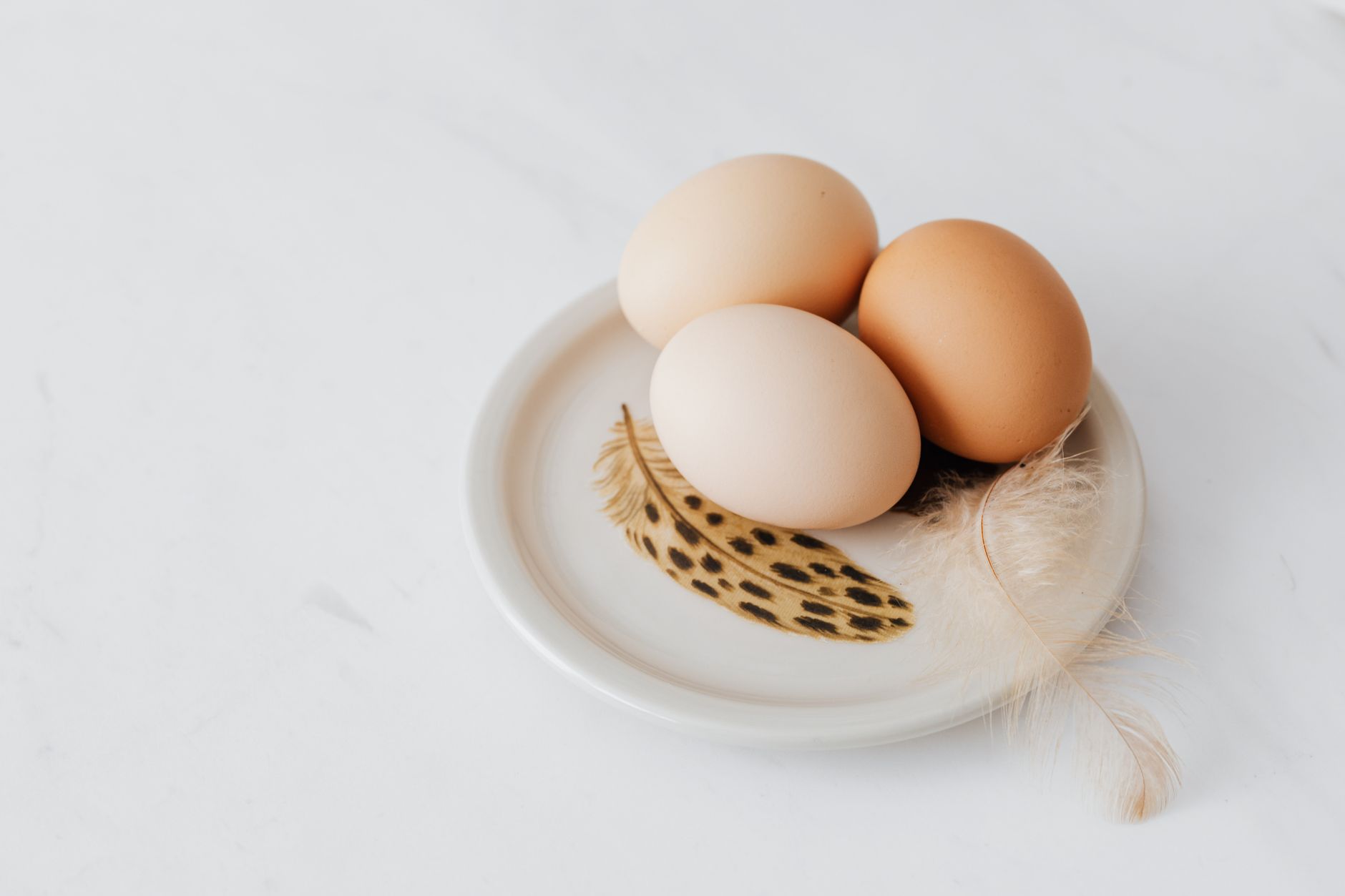
Eggs are a widely used ingredient in cooking and baking, valued for their binding, leavening, and moisture-retaining properties. However, there are many reasons one might seek out substitutes for eggs: dietary restrictions, allergies, or simply running out of them. Understanding suitable alternatives can help maintain the integrity of your dishes while accommodating various needs.
This detailed guide explores various egg substitutes, their culinary applications, and considerations for successful use. Whether you’re baking a cake or making a breakfast scramble, we’ve got you covered!
What Is a Substitute for Eggs?
A substitute for eggs can be any ingredient or mixture that replicates the functions of eggs in cooking or baking. Common substitutes include applesauce, flaxseeds, chia seeds, yogurt, and silken tofu, among many others. The ideal substitute often depends on the recipe and the desired texture and flavor outcome.
The Functions of Eggs in Cooking and Baking
Before diving into specific substitutes, it’s important to understand the roles eggs play in recipes. Eggs perform several key functions:
- Binding: Eggs hold ingredients together, adding structure to baked goods.
- Leavening: Eggs help to incorporate air, providing a light, airy texture in baked items like cakes and soufflés.
- Moisture: Eggs add moisture to dishes, helping to keep them tender and flavorful.
- Emulsification: Eggs act as emulsifiers, helping to blend fats and liquids smoothly, which is particularly important in sauces and dressings.
- Color and Flavor: Eggs contribute to the overall flavor and color of many dishes.
Common Egg Substitutes
Here are the most common substitutes for eggs, along with detailed explanations of their uses, ratios, and effects on flavor and texture.
1. Applesauce
Applesauce is a popular egg substitute, particularly in baking. It adds moisture and sweetness without the need for eggs.
- Ratio: Use 1/4 cup of unsweetened applesauce to replace one egg.
- Best For: Cakes, muffins, pancakes, and quick breads.
- Effect: Adds moisture and produces denser baked goods with a hint of apple flavor.
2. Flaxseeds
Ground flaxseeds can mimic the binding properties of eggs when mixed with water, creating a gel-like consistency.
- Ratio: Mix 1 tablespoon of ground flaxseed with 2.5 tablespoons of water. Allow the mixture to sit for a few minutes until it thickens, then use it as you would one egg.
- Best For: Cookies, pancakes, and other baked goods.
- Effect: Adds a nutty flavor and can slightly darken the color of baked goods.
3. Chia Seeds
Similar to flaxseeds, chia seeds can create a gel when combined with water.
- Ratio: Mix 1 tablespoon of chia seeds with 2.5 tablespoons of water, allowing it to sit until it thickens.
- Best For: Smoothies, baked goods, and as a binder in veggie burgers.
- Effect: Generally neutral in flavor; enhances texture without altering taste significantly.
4. Silken Tofu
Silken tofu is a versatile substitute that provides moisture and creaminess.
- Ratio: Use 1/4 cup of blended silken tofu to replace one egg.
- Best For: Cakes, brownies, and custards.
- Effect: Creates a dense and moist texture, with minimal impact on flavor.
5. Yogurt
Plain yogurt can add moisture and act as a binding agent in many recipes.
- Ratio: Use 1/4 cup of yogurt to replace one egg.
- Best For: Muffins, quick breads, and pancakes.
- Effect: Provides creaminess and slight tanginess, enhancing flavor.
6. Commercial Egg Replacers
Commercial egg replacers are specially formulated blends often based on ingredients like potato starch or tapioca flour.
- Ratio: Follow the package instructions; typically, one tablespoon of replacer mixed with water is equivalent to one egg.
- Best For: Various baked goods.
- Effect: Generally neutral with minimal impact on flavor and texture, making them versatile.
Other Lesser-Known Alternatives
While the substitutes listed above are commonly used, many other ingredients can work as egg replacements depending on the context.
1. Nut Butters
Nut butters like almond or peanut butter can act as binding agents.
- Ratio: Use 3 tablespoons of nut butter to replace one egg.
- Best For: Cookies and other baked goods requiring a rich flavor.
- Effect: Adds nuttiness and can change the texture to be denser.
2. Aquafaba
Aquafaba, the liquid from canned chickpeas, can be used to replace eggs, particularly in recipes requiring whipped egg whites.
- Ratio: Use 3 tablespoons of aquafaba to replace one egg.
- Best For: Meringues, mayonnaise, and other recipes needing a light, airy texture.
- Effect: Can successfully mimic the texture of egg whites when whipped.
3. Carbonated Water
In some baking applications, carbonated water can help replace the leavening function of eggs.
- Ratio: Use 1/4 cup to replace one egg.
- Best For: Pancakes and light batters.
- Effect: Adds moisture and some leavening; flavor effect is minimal.
Adjusting Recipes for Egg Substitutes
When substituting eggs in recipes, it is crucial to consider the role they play and how the chosen substitute will function. Here are a few guidelines for making successful adjustments:
- Evaluate the role of eggs in the recipe: Are they primarily for binding, leavening, or moisture?
- Choose an appropriate substitute based on the egg’s function in the recipe.
- Adjust the baking time if necessary; some substitutes can lead to texture changes that may require different cooking times.
- Be mindful of potential flavor changes and test small batches first to assess the outcomes.
Common Mistakes When Using Substitutes
Using substitutes can sometimes lead to unexpected results. Here are some common pitfalls to avoid:
- Using too much or too little of a substitute can alter the integrity of the dish.
- Not adjusting cooking times and temperatures based on the moisture content of substitutes.
- Choosing a substitute inappropriate for the recipe’s needs (e.g., using a sweet ingredient for savory dishes).
- Failing to account for flavor changes—test recipes in smaller quantities first until you know the effects.
Creative Uses of Egg Substitutes
In addition to their functional roles, egg substitutes can be fun to experiment with in various recipes.
- Use applesauce or yogurt in pancake or waffle batters for extra moisture and flavor.
- Incorporate silken tofu into smoothies for creaminess and protein boost.
- Try making vegan versions of traditional dishes, like using aquafaba for meringues or mousses.
- Create dairy-free baked goods by using nut milk and a suitable egg substitute together for moisture and richness.
Storage and Safety Considerations
When using substitutes, be mindful of their storage requirements to ensure food safety and quality:
- Store leftover applesauce in the refrigerator and use it within a few days to prevent spoilage.
- Ground flaxseeds and chia seeds should be stored in a cool, dry place; consider refrigerating them for longer freshness.
- Silken tofu should be stored in the refrigerator and used before the expiration date indicated on the packaging.
- Only prepare aquafaba from canned chickpeas or beans that are safe to consume; discard any potentially spoiled food.
Conclusion
An array of egg substitutes is available for various culinary needs, from baking to binding in savory dishes. While adapting recipes to accommodate these changes requires a careful approach, the options allow for creativity and adaptability in the kitchen. With a comprehensive understanding of suitable substitutes, you can confidently explore new recipes while accommodating dietary needs.
For further cooking inspiration, check out our guides on how much applesauce equals one egg and the longevity of ground beef in the fridge. Discover new recipes and tips that will elevate your cooking and baking adventures.