
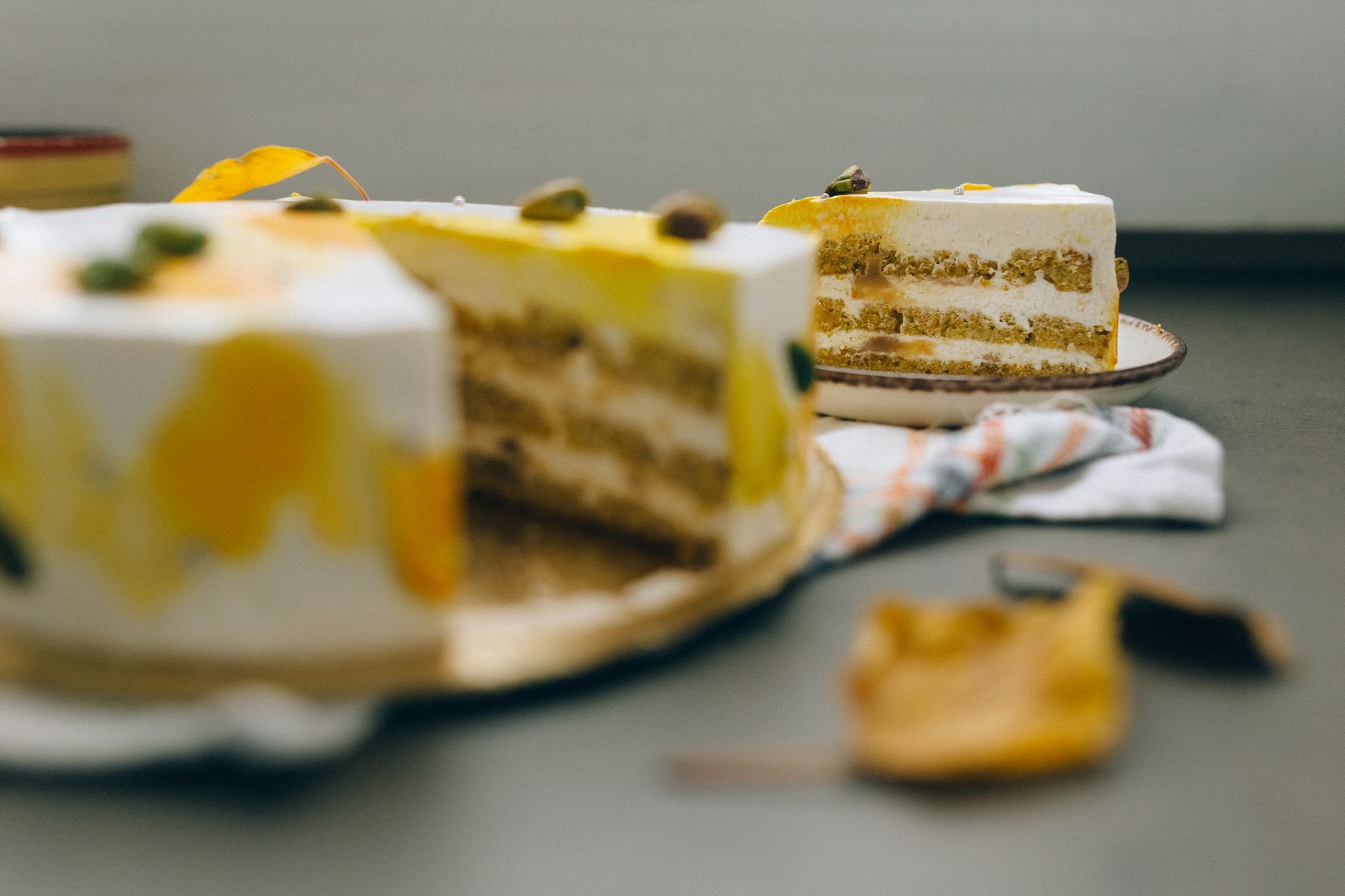
Yellow cake is a classic American dessert known for its moist texture and rich, buttery flavor. Commonly used as a base for layered cakes, it is beloved for its versatility and simplicity, making it a staple in many households. You’ll find yellow cake as the foundation for birthday cakes, weddings, and other celebrations.
This article explores what yellow cake is, its key ingredients, flavor profile, and various ways to serve it. Whether you’re a novice baker or an experienced chef, understanding yellow cake can help you create delicious desserts that impress friends and family.
What Is Yellow Cake?
Yellow cake is a type of dessert cake that gets its color and flavor primarily from the eggs used in the batter, along with butter and sugar. The cake is typically made with a combination of flour, sugar, eggs, milk, baking powder, and vanilla extract. The result is a light, fluffy, and slightly dense cake that has a golden hue and a subtly sweet taste.
The Ingredients of Yellow Cake
The basic ingredients for yellow cake are quite simple and readily available. Here’s a breakdown of what you’ll need:
- All-Purpose Flour: Provides structure and texture.
- Granulated Sugar: Sweetens the cake and helps create a tender crumb.
- Eggs: Contribute both to the cake’s color and moisture.
- Butter: Adds richness and flavor, contributing to the moist texture.
- Milk: Adds moisture and creates a tender crumb.
- Baking Powder: Serves as a leavening agent to help the cake rise.
- Vanilla Extract: Enhances flavor and aroma.
Variations in Ingredients
While these are the traditional ingredients, variations exist, allowing bakers to customize the flavor and texture. Here are some common substitutions and variations:
- Buttermilk: Can be used in place of regular milk for an extra tangy flavor.
- Cake Flour: Substituting cake flour for all-purpose flour may yield a lighter cake.
- Oil: Instead of butter, some recipes use vegetable or canola oil for a moister cake.
- Almond Extract: For a different flavor profile, almond extract can replace vanilla.
Flavor and Texture of Yellow Cake
The flavor of yellow cake is predominantly buttery with a subtle sweetness. The texture is typically soft and moist, thanks to the combination of butter and eggs. A well-baked yellow cake should have a light crumb, without being too dry or dense. The edges can be slightly crisp, while the center remains tender and fluffy.
Key Flavor Profile
The flavor profile of yellow cake makes it incredibly versatile. It complements various frostings, fillings, and toppings, enhancing its appeal:
- Frostings: Pairs well with buttercream, cream cheese, or chocolate frosting.
- Fillings: Can be layered with fruit preserves, whipped cream, or pastry cream.
- Toppings: Fresh fruits, nuts, or a dusting of powdered sugar add a delightful finish.
How to Serve Yellow Cake
Yellow cake is a versatile dessert that can be served in countless ways. Here are some popular serving suggestions:
Traditional Layer Cake
One of the most common ways to serve yellow cake is as a layered cake, typically with frosting sandwiched between the layers and on top:
- Bake the yellow cake batter in two round cake pans until golden brown.
- Let them cool before frosting the top of one layer and placing the second layer on top.
- Frost the top and sides of the cake with your choice of frosting.
- Decorate with sprinkles, fruit, or chocolate shavings as desired.
Cupcakes
Transform your yellow cake batter into cupcakes for a portable version:
- Line a muffin tin with cupcake liners.
- Pour the yellow cake batter into the liners, filling each about two-thirds full.
- Bake until a toothpick inserted into the center comes out clean.
- Once cooled, frost with your chosen frosting or drizzle with ganache.
Cake Pops
Yellow cake also works beautifully for cake pops, a fun and trendy treat:
- Crumb a baked yellow cake and mix it with frosting until combined.
- Shape into small balls and chill until firm.
- Insert lollipop sticks and dip in melted chocolate.
- Decorate with sprinkles or drizzle with contrasting chocolate.
Baking Tips for Yellow Cake
To achieve the best yellow cake, follow these useful baking tips:
- Room Temperature Ingredients: Using eggs and butter at room temperature ensures better emulsification for a lighter texture.
- Measure Accurately: Weighing ingredients, particularly flour, can improve accuracy and cake consistency.
- Don’t Overmix: Mix just until combined to prevent a dense cake.
- Check for Doneness: Use a toothpick to test if it’s done; it should come out clean or with a few crumbs.
Common Mistakes and Troubleshooting
Despite its simplicity, yellow cake can be tricky to master. Here are common mistakes along with troubleshooting tips:
- Dense Texture: This can happen due to overmixing the batter. Be sure to mix just until incorporated.
- Dry Cake: Make sure not to overbake, and always check for doneness a few minutes before the suggested baking time.
- Color Issues: A pale cake might indicate inadequate mixing of ingredients. Properly creaming butter and sugar is key for achieving the right color.
Make-Ahead and Storage
If you’re planning for an event or simply want to bake ahead of time, yellow cake can be made in advance:
Storage Tips
Follow these guidelines to ensure freshness:
- Cooled Cake: Allow the cake to cool completely before wrapping it in plastic wrap or aluminum foil.
- Refrigeration: Store the cake in an airtight container in the refrigerator for up to five days.
- Freezing: To freeze, wrap the cooled cake in plastic wrap and then foil. It can be stored for up to three months.
Thawing
When you’re ready to enjoy your frozen yellow cake, follow these steps:
- Refrigerator Thaw: Move the cake from the freezer to the refrigerator and let it thaw overnight.
- Room Temperature Thaw: Alternatively, you can leave it at room temperature for a few hours.
Yellow Cake vs. Other Cakes
Understanding how yellow cake compares to other cakes can help you choose the best option for your needs. Here’s a brief comparison:
| Cake Type | Texture | Flavor | Key Ingredients |
|---|---|---|---|
| Yellow Cake | Moist and fluffy | Buttery with sweetness | Eggs, butter, flour, sugar |
| Chocolate Cake | Rich and dense | Chocolatey | Cocoa powder, chocolate |
| Angel Food Cake | Light and airy | Sweet and delicate | Egg whites, sugar, cake flour |
| Red Velvet Cake | Rich and moist | Subtly chocolatey with tang | Cocoa powder, buttermilk |
Final Thoughts
Yellow cake is a timeless dessert that boasts a rich history and a versatile presence in the world of baking. Understanding its ingredients, flavor profile, and ways to serve it can elevate your baking skills and provide endless enjoyment. Make a traditional layered cake, whip up some cupcakes, or try cake pops for your next gathering.
Ready to bake some delicious desserts? Explore different recipes like Sour Cream Pound Cake or try your hand at making Butter Swim Biscuits for a delightful addition to any meal.