
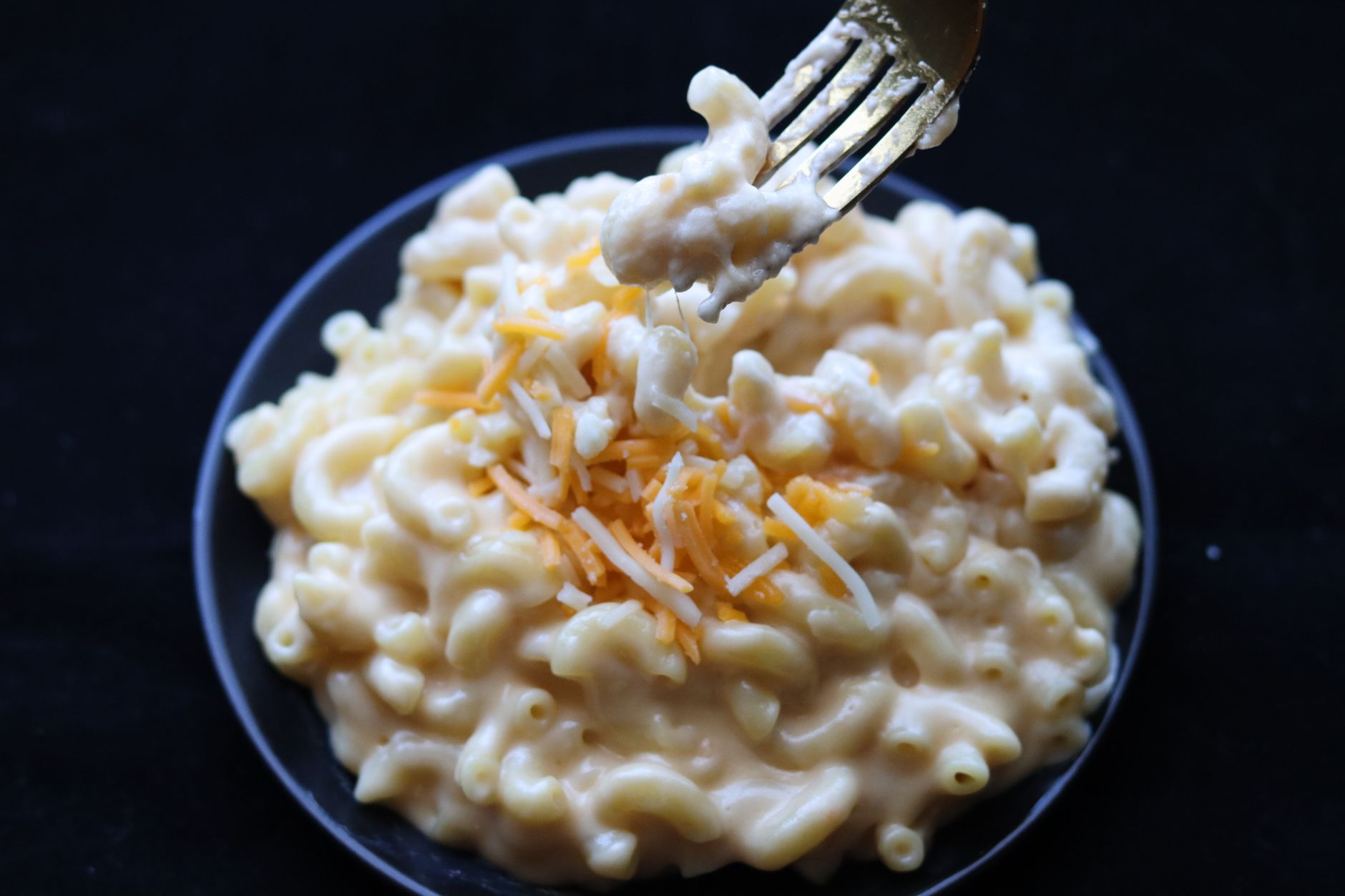
Mac and cheese is a classic comfort food that combines creamy cheese sauce with tender pasta, creating a dish that’s beloved by many. However, encountering a grainy texture can quickly turn this beloved meal into a disappointment. Understanding the reasons why your mac and cheese turns out grainy can help ensure a smoother, creamier result in the future.
This article delves into the common causes of graininess, essential cooking techniques, ingredient choices, and tips on how to rescue a dish that didn’t turn out as expected. Whether you’re making a stovetop version or baking it, knowing what contributes to a grainy texture can enhance your culinary skills.
Why Is My Mac and Cheese Grainy?
The grainy texture commonly found in mac and cheese is often a result of improperly melted cheese or the choice of cheese. Overheating, using the wrong types of cheese, or undercooking the sauce can contribute to this problem. Let’s explore each of these factors in more detail.
Understanding Cheese Textures in Cooking
Cheese comes in various types, each with distinct textures and flavors that can greatly affect dishes like mac and cheese. Understanding the characteristics of these cheeses will help you select the right ones for a smooth cheese sauce.
Types of Cheese and Their Melting Properties
- Cheddar: A popular choice for mac and cheese, cheddar can range from mild to sharp in flavor. However, when it’s aged, it may become grainy if overheated.
- American Cheese: Known for its excellent melting properties, American cheese can create a creamy sauce without clumping, making it a great base for mac and cheese.
- Monterey Jack: This cheese melts well and has a mild flavor that can complement cheddar in a mac and cheese recipe.
- Parmesan: Often used as a topping, Parmesan can be added for flavor but should be used sparingly in sauces due to its drier texture.
- Gruyère: A Swiss cheese that melts smoothly, Gruyère adds a rich flavor but can be costly compared to other cheese options.
Why Cheese Becomes Grainy
The graininess in mac and cheese usually occurs due to:
- Overheating: Cheese should be melted slowly over low heat. High heat can cause the proteins and fats to separate, resulting in a grainy texture.
- Emulsifiers: Some cheeses require emulsifiers to help combine fat and water. If not properly mixed, the cheese can become grainy.
- Ingredients Quality: Low-quality cheeses often contain additives that can affect melting properties, leading to a grainy texture.
- Pre-grated Cheese: Store-bought pre-grated cheese often contains anti-caking agents that inhibit smooth melting, which can lead to graininess.
Tips for Making Smooth Mac and Cheese
Here are several key tips that can help you achieve a creamy, smooth mac and cheese:
Choosing the Right Cheese
Select cheeses that melt well such as American, cheddar, or Monterey Jack. Avoid cheeses that do not blend well unless they are used sparingly for flavoring. Experimenting with combinations can also lead to a better result.
Grate Your Own Cheese
When using block cheeses, grate them yourself instead of opting for pre-grated varieties. Homemade grating ensures there are no additives that could interfere with melting.
Control the Heat
Melt cheese gently over low heat, combining it with the béchamel sauce in small increments. This allows the cheese to melt gradually and prevents separation of the protein and fat.
Using Emulsifying Agents
Incorporating emulsifiers like cream cheese or a splash of milk can help create a smooth sauce. These ingredients aid in binding the cheese mixture, preventing graininess.
Stirring Techniques
When combining cheese with the sauce, stir continuously while maintaining low heat. This ensures an even distribution of heat and helps prevent clumping.
Common Mistakes Leading to Grainy Mac and Cheese
A few common mistakes can lead to a grainy texture in mac and cheese. Recognizing these can help you avoid pitfalls in the future.
- Inadequate Mixing: If the cheese isn’t mixed thoroughly with the sauce, it can lead to uneven melting and graininess.
- Cooking the Pasta Too Long: Overcooking pasta can cause it to release excess starch, which can affect the overall texture of the mac and cheese.
- Skipping the Roux: An integral step in many mac and cheese recipes, making a roux (flour and butter mixture) creates a thick base for the cheese, helping avoid graininess.
Rescuing Grainy Mac and Cheese
If you find yourself with a grainy mac and cheese, follow these steps to potentially rescue the dish:
Puree the Sauce
If the cheese has clumped, using an immersion blender can help smooth out the sauce. Alternatively, you can carefully transfer it to a countertop blender for a quick puree, then return it to the pot.
Add Cream or Milk
If your mac and cheese is too thick and grainy, slowly stir in a small amount of warm milk or cream. This can help thin out the sauce and improve texture.
Reheat Gently
If the mac and cheese is cold and grainy, warming it gently over low heat while stirring can help melt the cheese further and smooth the texture.
Making Classic Mac and Cheese: A Recipe
To provide a practical example of achieving a creamy mac and cheese, here’s a simple stovetop recipe:
Yield: 4 servings
Preparation Time: 10 minutes
Cooking Time: 15 minutes
Total Time: 25 minutes
Ingredients
- 8 oz elbow macaroni
- 2 tablespoons butter
- 2 tablespoons all-purpose flour
- 2 cups milk
- 2 cups shredded cheddar cheese
- 1 cup shredded American cheese
- Salt and pepper to taste
- Optional: 1/2 teaspoon mustard powder for added flavor
Essential Equipment
- Large pot
- Medium saucepan
- Whisk
- Wooden spoon or spatula
- Colander
Instructions
- In a large pot, cook the macaroni according to package instructions until al dente. Drain and set aside.
- In a medium saucepan, melt the butter over medium-low heat. Once melted, whisk in the flour to create a roux, cooking for about 1-2 minutes until bubbly.
- Gradually add the milk to the roux, whisking continuously to avoid lumps. Cook until the mixture thickens slightly, about 5 minutes.
- Remove the saucepan from the heat and stir in the cheddar and American cheeses a little at a time, mixing until melted and creamy. Add salt, pepper, and optional mustard powder to taste.
- Combine the cooked macaroni with the cheese sauce, stirring to coat evenly. Serve immediately.
Storing and Reheating Mac and Cheese
Proper storage can extend the life of your mac and cheese and maintain its texture. Here’s how to handle leftovers:
Storage
Cool the mac and cheese to room temperature, then transfer it to an airtight container. Store in the refrigerator for up to three days.
Reheating
When ready to enjoy leftovers, reheat gently over low heat on the stovetop. You may need to add a splash of milk or cream to restore creaminess. Stir continuously to ensure even heating.
Exploring Variations
Mac and cheese is a versatile dish that can be adapted in numerous ways to keep it exciting:
Add Vegetables
Incorporating vegetables such as broccoli, spinach, or roasted peppers can add flavor and nutrients.
Protein Options
Consider adding cooked chicken, bacon, or seafood for added protein and flavor depth.
Spice It Up
Experiment with spices and herbs, like paprika, garlic powder, or fresh herbs, to elevate the overall flavor of your dish.
Choosing Sides to Serve with Mac and Cheese
If you’re contemplating a meal around mac and cheese, it’s important to consider complementary side dishes. A crisp salad or roasted vegetables balances the creaminess of mac and cheese beautifully. For more ideas on what to serve alongside, check out our article on what to serve with mac and cheese.
Understanding the common factors that lead to graininess in mac and cheese empowers you to create the smooth, creamy dish you desire. By choosing the right cheese, controlling heat, and using proper techniques, you can avoid this texture mishap. With practice and a bit of experimentation, you will be well on your way to mac and cheese perfection.
If you are looking for a quick and easy recipe to employ these techniques, don’t hesitate to check out our Kraft mac and cheese recipe. Happy cooking!