
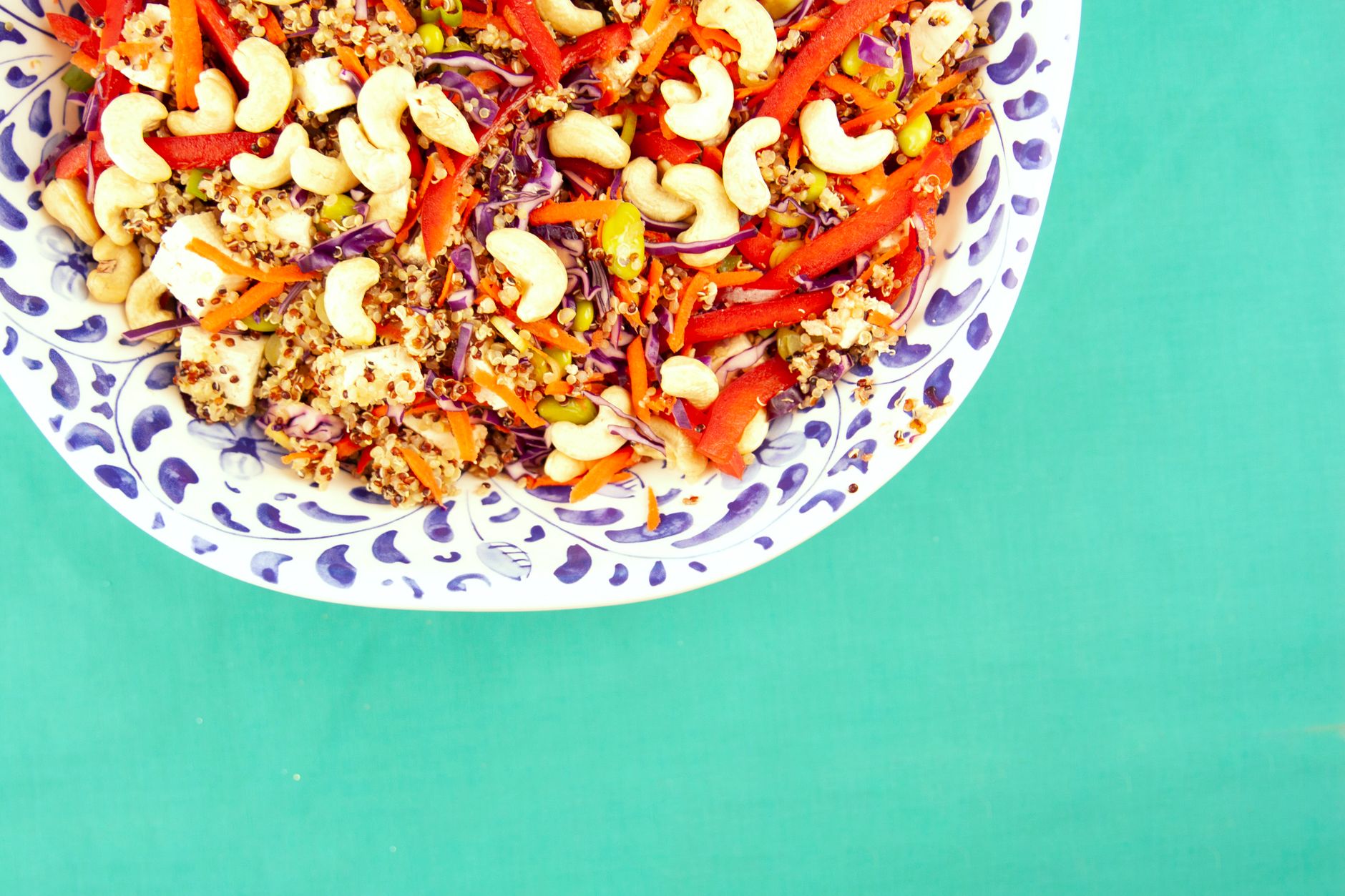
Fiber is an essential part of a balanced diet, playing a crucial role in maintaining digestive health and regulating blood sugar levels. Understanding what foods are high in fiber can significantly enhance your meal planning and overall nutrition. This guide will explore various high-fiber foods, their benefits, serving sizes, and tips for incorporating them into your meals.
From fruits and vegetables to whole grains and legumes, a wide range of foods can help you meet your daily fiber needs. Whether you’re looking to improve digestion, keep your heart healthy, or simply follow a balanced diet, increasing your fiber intake can be an excellent strategy.
What Has High Fiber?
High-fiber foods include a variety of fruits, vegetables, grains, nuts, and seeds. Foods that provide at least 3 grams of fiber per serving are typically classified as high-fiber. Including a mix of these foods in your diet can help you achieve a daily fiber intake of 25 grams for women and 38 grams for men.
Fruits High in Fiber
Fruits not only add sweetness and flavor to your meals, but many are also packed with fiber. Here are some fiber-rich fruits to consider:
- Raspberries: 8 grams of fiber per cup
- Pears: 5.5 grams of fiber (medium-sized, with skin)
- Apples: 4 grams of fiber (medium-sized, with skin)
- Bananas: 3 grams of fiber (medium-sized)
- Oranges: 3 grams of fiber (medium-sized)
- Blackberries: 7.5 grams of fiber per cup
- Avocado: 10 grams of fiber per cup (cubed)
Incorporating Fruits into Your Diet
To increase fiber intake through fruits, consider adding berries to your morning oatmeal or yogurt, snacking on apple slices with peanut butter, or incorporating sliced pears and oranges into salads. Avocados can be used in sandwiches, spreads, or as a creamy addition to smoothies.
Vegetables That Are High in Fiber
Vegetables are a vital part of any high-fiber diet. Not only do they provide fiber, but they are also low in calories and high in nutrients. Here are some vegetables rich in fiber:
- Broccoli: 5 grams of fiber per cup (cooked)
- Brussels sprouts: 4 grams of fiber per cup (cooked)
- Carrots: 4 grams of fiber per cup (raw)
- Artichokes: 10 grams of fiber per medium-sized artichoke (cooked)
- Sweet potatoes: 4 grams of fiber (medium-sized, with skin)
- Spinach: 4 grams of fiber per cup (cooked)
- Kale: 2.6 grams of fiber per cup (cooked)
Cooking and Serving Vegetables
To maximize fiber intake from vegetables, fill half of your plate with veggies at any meal. Roasting, steaming, or sautéing are excellent methods to prepare vegetables while preserving their nutrients. Adding them to soups, stews, and stir-fries can make meals more filling and nutritious.
Whole Grains and High-Fiber Carbohydrates
Whole grains contain the entire grain kernel, offering more fiber and nutrients than refined grains. This includes the bran, germ, and endosperm, making them a superior choice for fiber content:
- Quinoa: 5 grams of fiber per cup (cooked)
- Oatmeal: 4 grams of fiber per cup (cooked)
- Brown rice: 3.5 grams of fiber per cup (cooked)
- Whole wheat pasta: 6.3 grams of fiber per cup (cooked)
- Barley: 6 grams of fiber per cup (cooked)
- Farro: 5 grams of fiber per cup (cooked)
- Whole grain bread: 2-3 grams of fiber per slice, depending on the brand
Healthy Whole Grain Serving Ideas
Include whole grains in your meals by opting for oatmeal for breakfast or using whole grain pasta in your favorite dish. Whole grain bread can make a nutritious base for sandwiches. Look for products labeled as “100% whole grain” to ensure you are getting a high-fiber option.
Legumes and Pulses: Fiber Powerhouses
Legumes and pulses are one of the most concentrated sources of fiber available. They also pack a nutritional punch, being high in protein and other essential nutrients:
- Lentils: 15.6 grams of fiber per cup (cooked)
- Black beans: 15 grams of fiber per cup (cooked)
- Chickpeas: 12.5 grams of fiber per cup (cooked)
- Pinto beans: 15.5 grams of fiber per cup (cooked)
- Kidney beans: 13.6 grams of fiber per cup (cooked)
- Split peas: 16.3 grams of fiber per cup (cooked)
Incorporating Legumes into Meals
Legumes can easily be included in your meals by adding them to soups, salads, or side dishes. They can also be blended into dips like hummus or bean spreads, providing a nutritious option for snacks.
Nuts and Seeds: Small but Mighty
Nuts and seeds are nutrient-dense snacks that are also high in fiber. Though small in portion, they can contribute significantly to your daily fiber intake:
- Chia seeds: 10 grams of fiber per ounce (about 2 tablespoons)
- Flaxseeds: 8 grams of fiber per ounce (about 3 tablespoons)
- Pistachios: 3 grams of fiber per ounce (about 49 nuts)
- Almonds: 3.5 grams of fiber per ounce (about 23 nuts)
- Walnuts: 2 grams of fiber per ounce (about 14 halves)
- Sunflower seeds: 3 grams of fiber per ounce (about 1/4 cup)
Using Nuts and Seeds in Your Diet
Add nuts and seeds to salads, yogurt, and smoothies for an extra fiber boost. Use them in homemade granola bars, baking, or simply as a snack throughout the day.
High-Fiber Foods in a Balanced Diet
Incorporating high-fiber foods into your everyday meals is a practical step in achieving a balanced diet. Aim to include a variety of food sources to get a comprehensive range of nutrients.
- Breakfast: Start your day with oatmeal topped with berries and a sprinkle of nuts.
- Lunch: Create a salad base of leafy greens with a variety of colorful vegetables, beans, and a whole grain such as quinoa.
- Dinner: Fill half your plate with roasted vegetables and a serving of lentils or a whole grain.
- Snacks: Munch on fruits, nuts, or veggie sticks with hummus.
Tips for Increasing Fiber Intake
When increasing fiber in your diet, do so gradually to minimize digestive discomfort:
- Drink plenty of water to help fiber move through your digestive system.
- Incorporate high-fiber foods slowly over several days.
- Mix whole grains into recipes rather than switching all at once.
- Pay attention to serving sizes to ensure you are meeting your fiber goals without overeating.
Common Questions About High-Fiber Foods
Can you get enough fiber from snacks?
Yes, snacks can be an excellent source of fiber. Opt for whole grain crackers, fruits, vegetables with dips, and nuts to boost fiber intake between meals.
Is fruit juice a good source of fiber?
Most fruit juices contain little to no fiber. For a fiber-rich option, it’s better to eat whole fruits instead of drinking juice.
What are some quick high-fiber meal ideas?
Quick high-fiber meals can include a smoothie with spinach, banana, and chia seeds, a whole grain wrap filled with veggies and hummus, or a salad topped with beans and nuts.
Wrap-up on High-Fiber Foods
Understanding what has high fiber is essential for maintaining a healthy diet and promoting digestive health. Incorporate a variety of fiber-rich foods into your meals for better nutrition, improved digestion, and overall well-being.
To enhance your meal planning, include these high-fiber foods and explore how they can be adapted into your favorite dishes. For further reading about fiber-rich ingredients, check out how much fiber is in a banana or the fiber content in kale.