
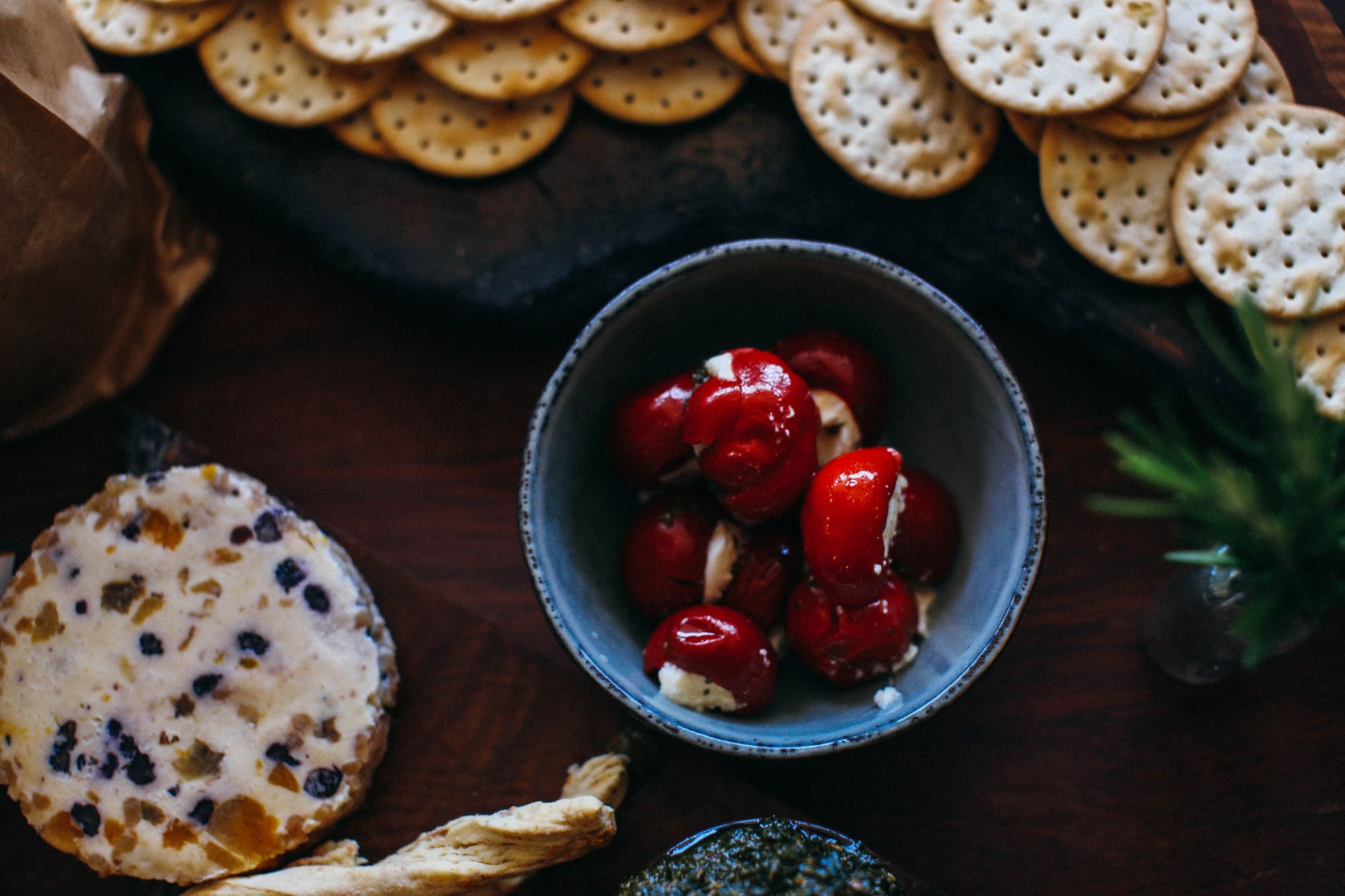
Crackers are a popular snack food enjoyed by many, often paired with cheese, dips, or as a crunchy side for soups and salads. Frequently overlooked in terms of nutritional value, understanding the calorie content in crackers can help you make informed dietary choices. This article delves into the calorie counts of various types of crackers and their serving sizes, equipping you with the knowledge to incorporate them into your meals wisely.
From traditional wheat crackers to gluten-free and whole-grain options, the variety is extensive. Knowing how many calories are in crackers helps you enjoy them while maintaining a balanced diet. We’ll explore calorie counts based on serving sizes, ingredient comparisons, and ways to make healthier choices without sacrificing flavor.
How Many Calories in Crackers?
The calorie content in crackers varies significantly depending on the ingredients used and the serving size. Generally, most crackers contain between 30 to 80 calories per serving, which is typically defined as around 5 to 10 crackers. However, this can change based on the type, size, and brand of crackers. Below, we provide a closer look at the calorie counts for different types of crackers.
Calorie Counts by Cracker Types
To get a clearer picture of how many calories are in various types of crackers, here’s a breakdown of commonly consumed varieties:
1. Traditional Wheat Crackers
Traditional wheat crackers, such as Saltines or Ritz, are among the most common types found in households. Their calorie count is usually:
- 1 serving (5 crackers): Approximately 70-80 calories
2. Whole Grain Crackers
Whole grain options tend to be a healthier choice due to their high fiber content:
- 1 serving (6-7 crackers): Approximately 60-70 calories
3. Gluten-Free Crackers
Gluten-free crackers can vary widely, depending on the ingredients used. Here are some general estimates:
- 1 serving (4-5 crackers): Approximately 50-90 calories
4. Cheese Crackers
These delightful treats mix the flavors of cheese directly into the cracker:
- 1 serving (6 crackers): Approximately 130-150 calories
5. Rice Crackers
A popular choice among those seeking a lighter snack, rice crackers have a different texture and flavor:
- 1 serving (10 crackers): Approximately 35-50 calories
6. Snack Crackers (e.g., Goldfish, Animal Crackers)
These fun-shaped snacks are often consumed by children and can be higher in calories:
- 1 serving (15 pieces): Approximately 120-130 calories
Ingredients Affecting Caloric Content
The number of calories in crackers not only relies on their size and brand but also significantly on their ingredients. Here are a few factors to consider:
1. Type of Flour
The base ingredient often includes different types of flour, like white, whole wheat, or gluten-free blends, which greatly influences calorie content. Whole wheat flour has more fiber and nutrients compared to refined flours, offering more nutritional value per calorie.
2. Added Fats
Crackers that include butter, oil, or other fats will have higher calorie contents. For example, traditional buttery crackers will have more calories than those made with minimal or healthy fats.
3. Sugars and Salt
Some crackers may contain added sugars or higher salt levels. Sugary crackers generally have more calories, while salty varieties can sometimes prompt overeating.
4. Nutritional Add-Ins
Crackers enriched with seeds, spices, or nutritional supplements can also impact their calorie count but tend to provide more health benefits, like additional protein, vitamins, or minerals.
Making Healthier Choices with Crackers
When reaching for a snack, making informed choices about crackers can help maintain a balanced diet. Here are a few tips to consider:
1. Opt for Whole Grain
When possible, choose whole grain or whole wheat varieties as they tend to be higher in fiber and nutrients, allowing for better satiety with fewer calories.
2. Mind Your Serving Size
Pay attention to the serving sizes indicated on packaging. It is easy to overeat crackers, as they are often consumed mindlessly. Setting a portion can help keep calorie intake in check.
3. Pair with Nutrient-Dense Foods
Complementing crackers with protein-rich foods like cheese, hummus, or nut butter can enhance both the flavor and nutritional profile of your snack, leading to better overall health outcomes.
4. Choose Low-Sodium Options
Saltine or other salted crackers can be high in sodium. Selecting low-sodium versions can help reduce your daily salt intake.
Practical Substitutions for Crackers
If you’re watching your calorie intake, there are several practical substitutes for crackers that can offer similar crunch and flavor without the extra calories:
- Veggie Chips: Opt for baked veggie chips made from kale, beetroot, or sweet potatoes.
- Rice Cakes: Light and airy, rice cakes are a low-calorie alternative.
- Seed Crackers: These are often packed with nutrition and can be lower in calories.
- Homemade Cracker Alternatives: Bake your own crackers using whole grain flour, seeds, and healthy fats.
Common Mistakes When Choosing Crackers
Here are common pitfalls to avoid when selecting crackers:
1. Ignoring the Ingredient List
Many people choose crackers based solely on packaging or marketing. Always read the ingredient list to ensure you make healthier choices.
2. Focusing Solely on Low Calories
Low-calorie products may have additives or ingredients that compromise nutritional quality. Strive for a balance of calories and nutrients.
3. Not Considering the Seasoning
Some crackers contain additives, preservatives, or excessive sugar. Opt for crackers that use natural ingredients.
Storage and Freshness of Crackers
Proper storage can extend the shelf life of your crackers and maintain their freshness:
1. Store in a Cool, Dry Place
Keep crackers in a cool, dry spot away from direct sunlight, which can alter their flavor and texture.
2. Use Airtight Containers
Transfer opened packages into airtight containers to keep them crisp and prevent them from becoming stale.
3. Check Expiration Dates
Be mindful of expiration dates, which can vary between brands. Eating stale crackers is not only less enjoyable but may also affect your digestive system.
Conclusion
Understanding how many calories are in crackers based on type and serving size empowers you to make healthy, informed choices. Whether you enjoy traditional wheat crackers or seek gluten-free options, focusing on quality ingredients will enhance your snacking experience. Pair them with wholesome toppings, and you can enjoy these crunchy treats happily as part of a balanced diet.
If you’re interested in exploring cracker recipes or other tasty snacks, check out our Saltine Cracker Recipe and Cottage Cheese Chips Recipe. Happy snacking!