
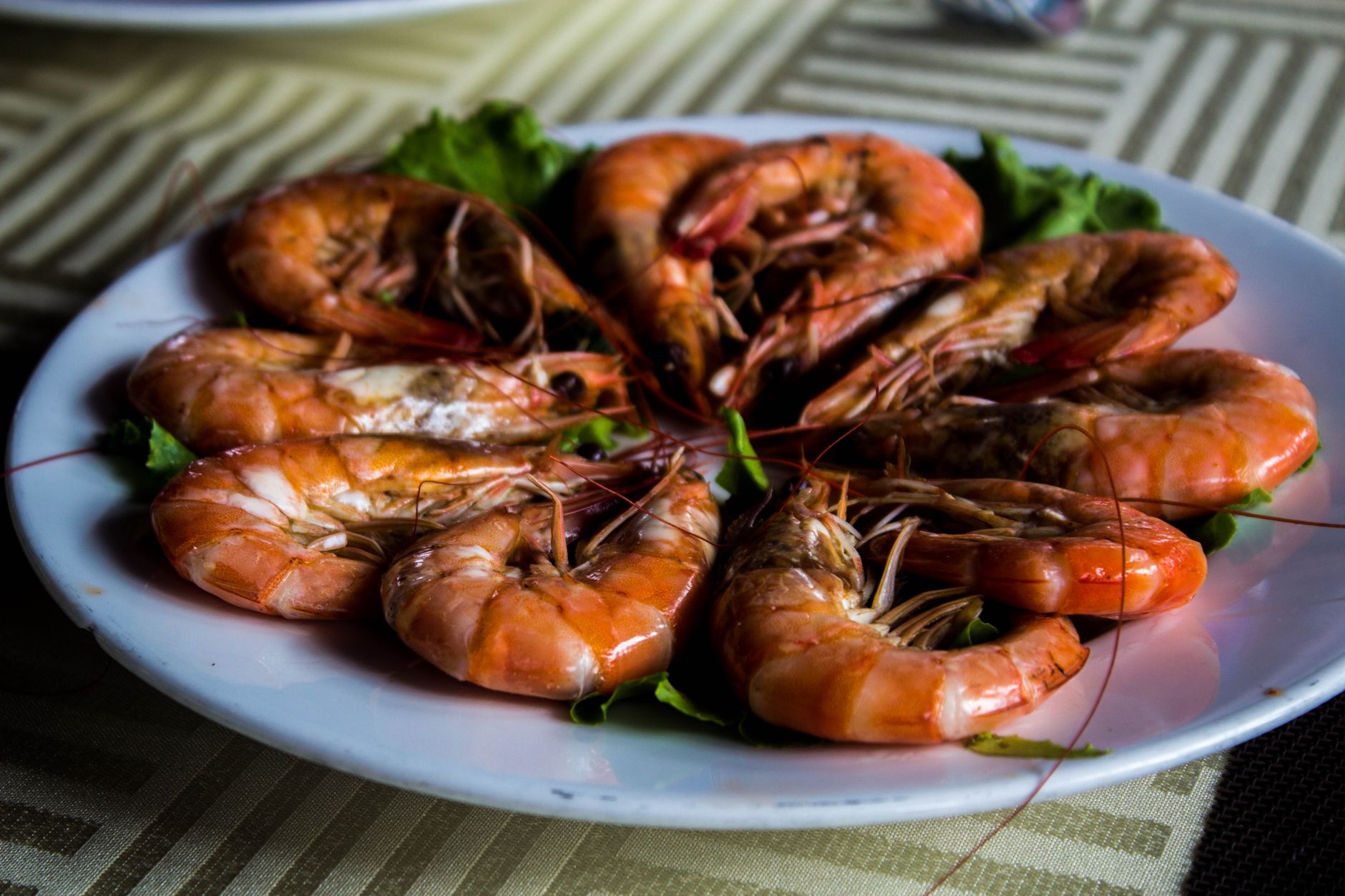
Shrimp is a versatile and popular seafood option, prized for its delicate texture and slightly sweet flavor. However, one of the most common challenges home cooks face is determining the optimal cooking time for shrimp. Overcooking can lead to a rubbery texture, while undercooked shrimp can be unsafe to eat. This guide will provide you with everything you need to know about cooking shrimp, including timing and temperature, various cooking methods, and tips for achieving the best results.
Whether you’re sautéing, grilling, boiling, or baking shrimp, knowing how long to cook it is essential for both flavor and food safety. This guide will walk you through the cooking process, offering practical tips and details to ensure your shrimp turn out perfectly every time.
How Long Do I Cook Shrimp For?
The cooking time for shrimp generally ranges from 2 to 10 minutes, depending on the cooking method, size of the shrimp, and whether they are fresh or frozen. For instance, smaller shrimp typically cook faster than larger shrimp. Having a basic understanding of how long each method takes will help you determine the appropriate time for your specific recipe.
Understanding Shrimp Sizes
Before diving into cooking times, it’s important to understand the various sizes of shrimp, which influence the cooking time:
- Extra small (less than 61 per pound)
- Small (51-60 per pound)
- Medium (41-50 per pound)
- Large (31-40 per pound)
- Extra large (26-30 per pound)
- Jumbo (21-25 per pound)
- Colossal (less than 21 per pound)
As a general rule, the larger the shrimp, the longer the cooking time. Keep this in mind as you choose your shrimp and determine cooking times.
Cooking Methods and Times
Different cooking techniques will yield different results and require varying lengths of time. Below are the most common methods for cooking shrimp and the ideal times for each.
1. Boiling Shrimp
- Bring a large pot of salted water to a boil.
- Add the shrimp to the boiling water.
- Boil for 2-3 minutes for smaller shrimp, or 3-5 minutes for larger shrimp.
- Once the shrimp are pink and opaque, drain and immediately place them in ice water to stop the cooking process.
Boiled shrimp are great for salads, shrimp cocktail, and pasta dishes. The quick cooking time ensures they stay tender and juicy.
2. Sautéing Shrimp
- Heat oil or butter in a large skillet over medium-high heat.
- Add the shrimp in a single layer, making sure not to crowd the pan.
- Sauté for 2-3 minutes on each side, or until they turn pink and opaque.
Sautéed shrimp can be quickly incorporated into stir-fries, tacos, or served over rice or pasta.
3. Grilling Shrimp
- Preheat the grill to medium-high heat.
- Thread the shrimp onto skewers, or use a grill basket to keep them secure.
- Grill for 2-3 minutes on each side until they are opaque and slightly charred.
Grilled shrimp add a wonderful smoky flavor, making them ideal for summer barbecues, salads, or served on their own.
4. Baking Shrimp
- Preheat the oven to 400°F (200°C).
- Place the shrimp on a baking sheet and season as desired.
- Bake for approximately 8-10 minutes, or until they are perfectly cooked.
Baked shrimp is a healthy cooking option, and seasoning them in advance allows for infused flavors. They can be served as appetizers or as part of a main dish.
5. Steaming Shrimp
- Fill a pot with about an inch of water and bring it to a simmer.
- Add the shrimp to a steaming basket and place it over the pot, avoiding direct contact with the water.
- Cover and steam for about 4-6 minutes, or until the shrimp are pink and opaque.
Steamed shrimp retain their moisture and are a great addition to salads and pasta dishes.
Common Mistakes When Cooking Shrimp
To achieve the best shrimp dishes, it’s essential to avoid common cooking pitfalls:
- Overcooking: Shrimp cook quickly, and overcooking leads to a rubbery texture. Pay close attention to color and timing.
- Not thawing properly: If using frozen shrimp, always thaw them in the refrigerator overnight or under cold running water.
- Crowding the pan: Overcrowding can lead to uneven cooking. Cook in batches to ensure proper heat exposure.
Visual Cues for Cooking Shrimp
Knowing how to identify perfectly cooked shrimp can make a difference:
- Check for a uniform pink color with no gray spots.
- The shrimp should curl into a loose “C” shape, indicating tenderness.
- They should be opaque throughout, with a pearly appearance.
Temperature Guidelines
The ideal internal temperature for cooked shrimp is 120°F (49°C). Using a food thermometer can help ensure safe and perfect results. Cooking shrimp only until they reach this temperature prevents overcooking while ensuring food safety.
Flavor and Seasoning Tips
Enhancing shrimp dishes with proper seasoning takes them from simple to spectacular. Here are some tips:
- Marinade: Shrimp absorbs flavors quickly, making them perfect for marinades. Consider citrus-based marinades or spicy options.
- Herbs and Spices: Fresh herbs like parsley, cilantro, and dill pair well with shrimp. Spice blends can add a punch of flavor.
- Garlic and Butter: This classic combination is a foolproof method for adding richness and flavor.
Storing and Reheating Cooked Shrimp
Cooked shrimp can be stored in the refrigerator for up to 3 days when kept in an airtight container. For longer storage, freeze cooked shrimp, which can last for 2-3 months in the freezer.
To reheat, thaw shrimp in the refrigerator overnight and gently warm them using a skillet over low heat or in the microwave, being careful not to overcook.
Practical Recipe Ideas for Cooked Shrimp
Once you’ve mastered shrimp cooking times, here are some delicious recipes you can try:
- Creamy Coconut Shrimp: A sweet and savory dish with tropical flavors.
- Shrimp Curry: A warming curry that allows for endless variations.
Conclusion
Mastering the art of cooking shrimp means understanding the appropriate times and techniques for various methods. With this knowledge, you can enjoy delicious shrimp in recipes ranging from appetizers to main courses. Remember to focus on not overcooking and to experiment with flavors for wonderful culinary results.
For more delicious recipes and cooking tips, explore our guides on creamy coconut shrimp and flavorful shrimp curry for your next meal!