
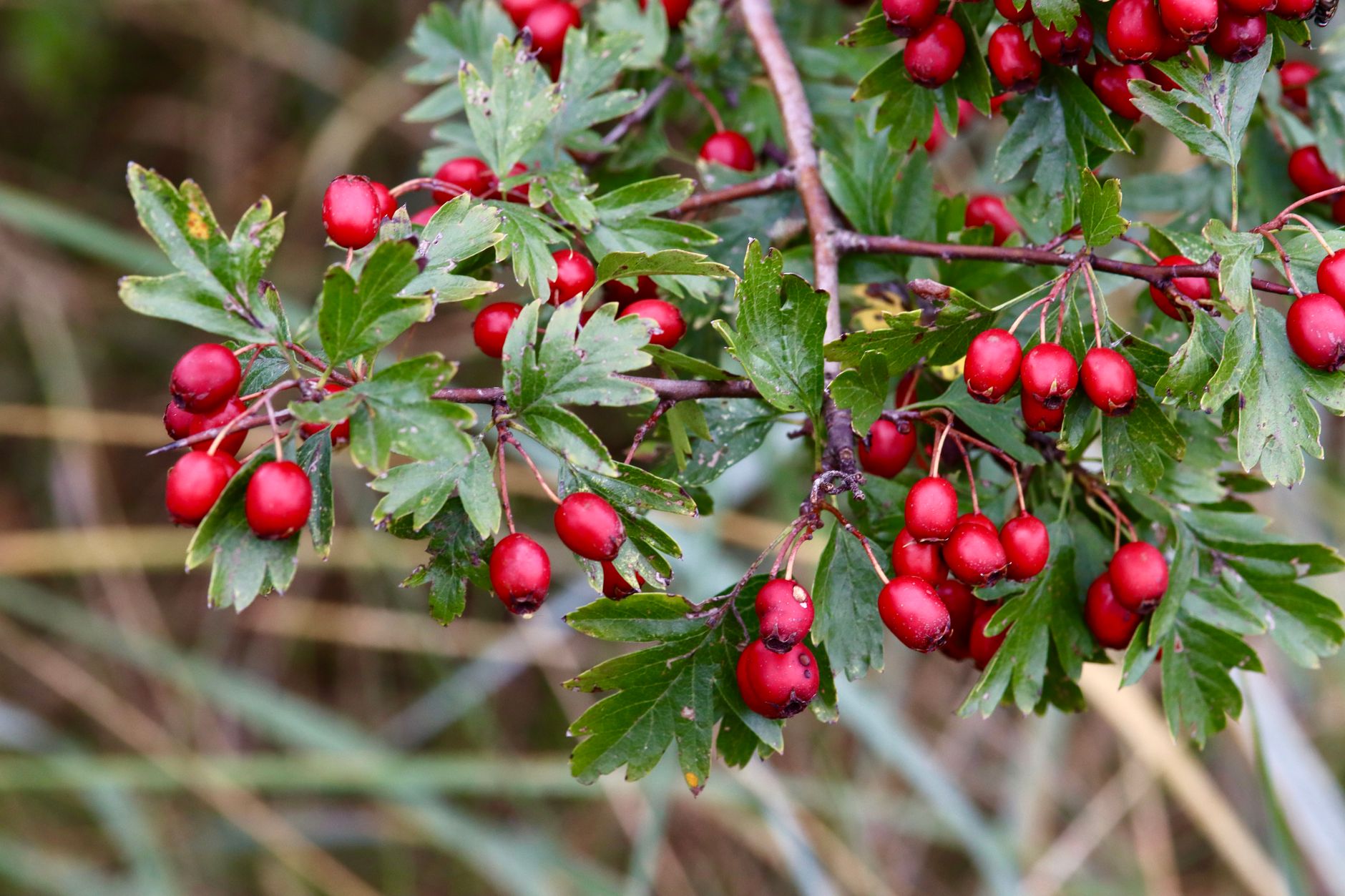
Hawthorn berries, small and bright red, pack a nutritional punch and have been used in traditional medicine for centuries. They are often celebrated for their potential health benefits, particularly concerning heart health. Their unique flavor profile, which combines sweet and tart notes, makes them a delightful ingredient in various culinary applications.
This article delves into what hawthorn berries are good for, covering their nutritional benefits, culinary uses, and ways to incorporate them into your diet.
What Is Hawthorn Berry Good For?
Hawthorn berries are primarily known for their potential benefits to heart health, including improving circulation and reducing blood pressure. They are also rich in antioxidants, which help combat oxidative stress. Additionally, these berries may aid digestion and have mild anti-inflammatory properties.
Nutritional Profile of Hawthorn Berries
Understanding the nutritional components of hawthorn berries highlights their health benefits. These berries are low in calories but high in essential nutrients and antioxidants.
Vitamins and Minerals
- Vitamin C: Important for immune function and skin health.
- Vitamin A: Supports vision and immune health.
- Iron: Crucial for forming red blood cells.
- Magnesium: Vital for numerous biochemical reactions in the body.
- Folate: Important for cell division and production of DNA.
Antioxidants
Hawthorn berries contain various antioxidants, such as flavonoids and polyphenols. These compounds help protect the body from damage caused by free radicals, potentially reducing the risk of chronic diseases.
Heart Health Benefits
The most notable benefits of hawthorn berries revolve around cardiovascular health. They are often used in herbal medicine to support heart function.
Improving Circulation
Hawthorn berries may enhance blood circulation by dilating blood vessels. This can improve blood flow to vital organs, including the heart, potentially boosting overall cardiovascular health.
Regulating Blood Pressure
Some studies suggest that hawthorn may help lower both systolic and diastolic blood pressure through its vasodilatory effects. This makes it a popular choice for those looking to manage hypertension naturally.
Reducing Symptoms of Heart Disease
Research indicates that hawthorn berries may alleviate symptoms associated with heart disease, such as chest pain and shortness of breath, likely due to their ability to improve blood flow and strengthen cardiac function.
Digestive Health Benefits
Hawthorn berries are also known to support digestive health. Their high fiber content can aid in promoting digestive regularity.
Helping with Digestion
By stimulating the production of digestive enzymes, hawthorn berries can help in breaking down food. They may also alleviate symptoms of indigestion and bloating.
How to Use Hawthorn Berries in Cooking
Incorporating hawthorn berries into your diet is both easy and rewarding. Here are some practical culinary uses.
Making Hawthorn Berry Tea
Hawthorn berry tea is a soothing beverage that retains many of the berries’ beneficial properties. Here’s how to make it:
Ingredients
- 1 cup of dried hawthorn berries
- 4 cups of water
- Sweetener (optional, such as honey or stevia)
Steps to Prepare
- Bring the water to a boil in a pot.
- Add the dried hawthorn berries and reduce the heat to a simmer.
- Let it simmer for about 20-30 minutes.
- Strain the tea into a cup and add sweetener if desired.
- Enjoy hot or allow to cool and serve over ice.
Baking with Hawthorn Berries
Hawthorn berries can also be incorporated into baked goods. Their tart flavor works well in muffins, breads, and pies.
Hawthorn Berry Muffins Recipe
These muffins are perfect for breakfast or a snack and provide a delightful blend of sweetness and tartness.
Ingredients
- 1 cup of fresh or dried hawthorn berries
- 1 ½ cups of whole wheat flour
- ½ cup of sugar or alternative sweetener
- 1 tablespoon of baking powder
- ½ teaspoon of salt
- 1 egg
- 1 cup of milk or non-dairy alternative
- ¼ cup of melted butter or oil
Steps to Prepare
- Preheat your oven to 350°F (175°C) and coat a muffin tin with cooking spray.
- In a mixing bowl, combine flour, sugar, baking powder, and salt.
- In another bowl, whisk together the egg, milk, and melted butter.
- Pour the wet ingredients into the dry ingredients and mix until just combined.
- Gently fold in the hawthorn berries.
- Divide the batter evenly among the muffin cups.
- Bake for 20-25 minutes, or until a toothpick inserted in the center comes out clean.
Making Jams and Jellies
Hawthorn berries can also be preserved as jams or jellies. Their natural sweetness and tartness create a flavorful spread.
Hawthorn Berry Jam Recipe
Bright and slightly tart, this jam pairs wonderfully with toast or as a filling for pastries.
Ingredients
- 2 cups of hawthorn berries
- 1 cup of sugar
- 1/4 cup of lemon juice
- 1 cup of water
Steps to Prepare
- Combine hawthorn berries, water, and lemon juice in a saucepan.
- Cook over medium heat until berries are softened, about 15 minutes.
- Add sugar and continue to cook until the mixture thickens and reaches a jam-like consistency, stirring frequently.
- Remove from heat and let it cool before transferring to a jar.
Precautions and Tips
While hawthorn berries offer numerous benefits, it’s essential to keep a few precautions in mind.
- Consult a healthcare professional before adding hawthorn to your dietary regimen, especially if you are taking medication for heart-related conditions.
- Start with small amounts to ensure that you don’t have an adverse reaction.
- Store hawthorn berries in a cool, dark place to maintain freshness, and use dried berries within six months of opening the package.
Finding and Selecting Hawthorn Berries
Hawthorn berries can be found in various forms – fresh, dried, or in supplement form. When selecting fresh berries, look for those that are bright in color and firm to the touch. Dried berries should be free of added sugars or preservatives for the most health benefits.
Where to Buy
You can typically find hawthorn berries at health food stores, specialty grocery stores, or online. Organic options are recommended to avoid pesticides.
Substitutions and Alternatives
If hawthorn berries are not readily available, there are some alternatives you might consider using in recipes.
- Cherries: A sweet-tart alternative that works well in jams and baked goods.
- Cranberries: These berries provide a similar tart flavor, particularly in jams.
- Raspberries: While not as hard-hitting in terms of heart health, they can substitute in smoothies and sauces.
Summary and Your Next Step
Hawthorn berries present a myriad of health benefits, primarily around cardiovascular health but also digestive support. Their unique flavor makes them a versatile ingredient in both beverages and baked goods. Remember to explore and experiment with recipes that integrate hawthorn berries into your diet.
If you want to expand your culinary knowledge further, consider exploring the benefits of chia seeds or learning how to make clove tea. Each of these ingredients can add unique flavor profiles and health benefits to your diet.
Visit our pages on the benefits of chia seeds or check out our clove tea recipe for more exciting and nutritious ideas!