
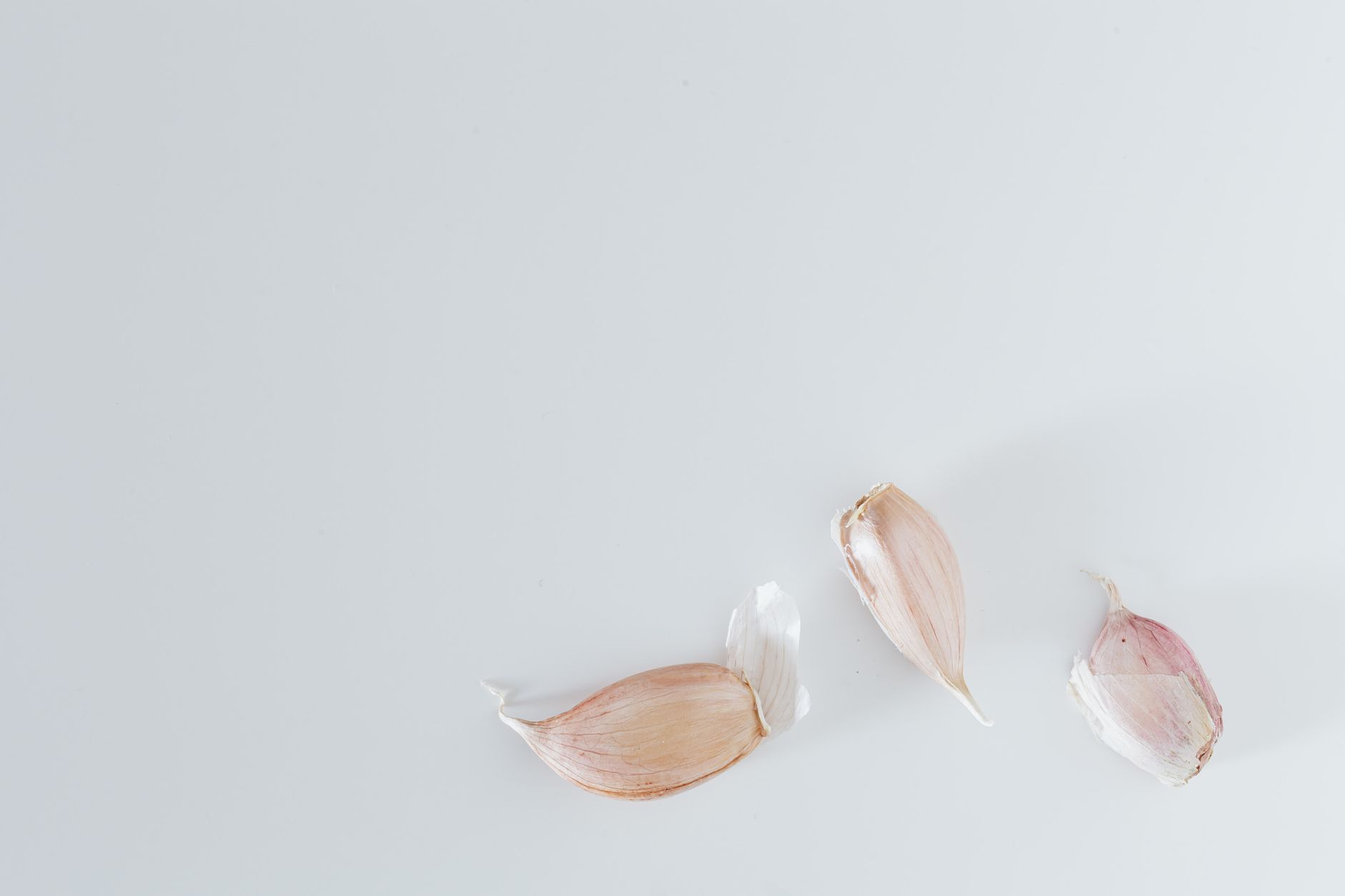
Garlic is more than just a flavor enhancer; it’s a culinary powerhouse that adds depth, richness, and zest to a wide variety of dishes. This humble bulb is renowned for its distinctive aroma and taste and is equally celebrated in health circles for its numerous benefits. Understanding what garlic is good for enables home cooks to harness its potential in everyday meals.
In this article, we’ll dive into garlic’s nutritional properties, appropriate portions, and essential considerations when using garlic in your cooking. Whether you’re a garlic lover or just getting familiar with it, this guide will provide practical insights to elevate your meals and improve your health.
What Is Garlic Good For?
Garlic is famously used to add flavor to countless dishes, but it’s also been linked to various health benefits, including enhanced immunity, cardiovascular support, and anti-inflammatory properties. It’s a versatile ingredient that works wonderfully across cultural cuisines, making it an asset in any kitchen. Its uses are abundant, from flavoring meats and vegetables to serving as a base in sauces and dressings.
Nutritional Profile of Garlic
Garlic is rich in vitamins and minerals, making it a beneficial addition to your diet. Here’s a breakdown of its nutrients:
- Vitamins: Garlic contains vitamin C, vitamin B6, and some traces of various other vitamins.
- Minerals: Key minerals in garlic include manganese, calcium, potassium, and iron.
- Antioxidants: Garlic is packed with antioxidants, which play a crucial role in fighting oxidative stress in the body.
- Allicin: The compound responsible for garlic’s pungent smell, allicin has shown potential health benefits.
Garlic is low in calories—roughly 4 calories per clove—and is often used in small amounts, but its nutritional benefits can significantly enhance a meal.
Health Benefits of Garlic
While garlic should not be considered a cure-all, it has several health benefits that can aid in overall wellness:
1. Immune System Support
Garlic is reputed to enhance the immune system’s function. Its high levels of antioxidants can help neutralize harmful free radicals that lead to cell damage. Regular consumption of garlic may lead to fewer colds and shorter illness duration.
2. Cardiovascular Health
Garlic is often praised for its ability to improve heart health. Its compounds encourage dilation of blood vessels, potentially lowering blood pressure and improving circulation. Garlic can also help manage cholesterol levels by lowering LDL (bad cholesterol) while not affecting HDL (good cholesterol).
3. Anti-Inflammatory Properties
Chronic inflammation is linked to various health issues, including heart disease and arthritis. The anti-inflammatory properties of garlic can aid in reducing inflammation, promoting better health outcomes.
4. Antimicrobial Effects
Research shows garlic possesses antibacterial and antiviral properties, making it effective against various pathogens. This can be beneficial in both prevention and treatment of particular sicknesses.
5. Potential Cancer Prevention
Some studies have suggested that garlic consumption may be associated with lower risks of certain cancers, particularly stomach and colorectal cancers. More research is needed, but garlic’s antioxidant effect plays a role in reducing potential cancer risk.
How to Use Garlic in Cooking
Garlic can be utilized in multiple forms, including fresh, dried, roasted, powdered, and minced. Each method alters its flavor and potency. Here’s how to effectively use garlic in your cooking:
- Fresh: Fresh garlic cloves can be minced, chopped, or sliced. They provide a pungent flavor that can be adjusted depending on cooking time.
- Roasted: Roasting garlic mellows its flavor, making it sweet and nutty. Simply cut off the top of the bulb, drizzle with olive oil, wrap it in foil, and roast until soft.
- Dried Garlic: That includes garlic powder and granulated garlic, which are used as seasoning; however, remember that they may lack the punch that fresh garlic offers.
- Garlic Oil: Infused garlic oil can add a smooth texture and rich flavor to dressings and marinades.
Portion Guidelines for Garlic
When it comes to using garlic, moderation is key. The recommended portion is typically one to two cloves per day, which maximizes health benefits without overwhelming your dishes. Here’s how to measure out garlic:
- One clove: Approximately 1 teaspoon when minced.
- Roasted garlic: Typically uses a whole bulb, which can yield several cloves.
- Garlic powder: About 1/8 teaspoon equals one clove.
Keep in mind that individual tolerances to garlic may vary, especially for those with sensitive digestive systems. Adjust portions based on personal preference and culinary needs.
Common Cooking Mistakes with Garlic
While garlic is relatively easy to use, some common mistakes can lead to disappointing flavors:
- Overcooking: Garlic can turn bitter if cooked at high temperatures or for too long. Aim to sauté it only until fragrant.
- Using Old Garlic: Fresh garlic should feel firm and have no signs of sprouting. Old garlic can have a less potent flavor and may even taste off.
- Neglecting Preparation: Properly peeling and chopping garlic is essential to releasing its flavor. Use a knife or garlic press to ensure an even distribution in your dish.
Storage and Preservation of Garlic
Proper storage will maintain garlic’s flavor and potency. Here are some tips:
- Fresh Garlic: Store in a cool, dry place, preferably in a mesh bag or basket for air circulation. Avoid refrigerating fresh garlic, as it can sprout and ruin its flavor.
- Chopped or Minced Garlic: Store in an airtight container in the refrigerator for no more than a week. Consider freezing them in ice cube trays with olive oil for longer storage.
- Garlic Powder: Keep in a dark, cool place in a sealed container to maintain its flavor.
Garlic Substitutions
If you’re out of garlic or need to avoid it, several substitutes can mimic its flavor:
- Shallots: Shallots offer a milder taste, making them a great alternative. Use one medium shallot for every clove of garlic.
- Garlic Powder: Use approximately 1/8 teaspoon for each clove of garlic the recipe calls for.
- Onion: While it doesn’t provide the same complexity, onion can offer some sweetness and depth if garlic is unavailable. Use a small amount to taste.
Flavor Pairings with Garlic
Garlic pairs well with a variety of ingredients, enhancing the overall flavor of dishes. Here’s a selection of compatible flavors:
- Herbs: Basil, parsley, rosemary, and thyme work beautifully with garlic.
- Proteins: Garlic complements chicken, seafood, and beef, adding a savory note.
- Vegetables: Garlic amplifies flavors in spinach, broccoli, and peppers.
- Spices: It works nicely with cumin, paprika, and red pepper flakes for a kick.
Creative Ways to Incorporate Garlic into Meals
Here are some practical, delicious ideas to add more garlic to your diet:
- Garlic Bread: Mix minced garlic with butter and herbs to create rich garlic butter for spreading on bread.
- Garlic Oil Dressing: Infuse olive oil with roasted garlic for a flavorful salad dressing or dipping sauce.
- Garlic Mashed Potatoes: Blend roasted garlic into creamy mashed potatoes for added depth.
- Soups and Stews: Add minced or roasted garlic to your soups and stews for a warm, savory base.
- Pasta and Pizza: Incorporate garlic into sauces, or use it fresh as a topping.
Summary of Considerations
Garlic is a versatile ingredient with numerous culinary applications. It enhances flavors while also offering various health benefits when consumed in moderation. Whether you’re roasting, chopping, or slicing, garlic can elevate your dishes while being mindful of portion sizes is key. Always store garlic properly and try other flavor pairings to maximize its impact in your cooking.
Now that you’re equipped with the knowledge of how garlic can enhance your meals, why not try incorporating garlic into your next dish? If you’re looking for specific recipes, check out our links to make garlic mayo or learn about what garlic can do for your meals.
Explore more about garlic with our garlic mayo recipe and discover the essential nature of garlic in our article on what garlic is.