
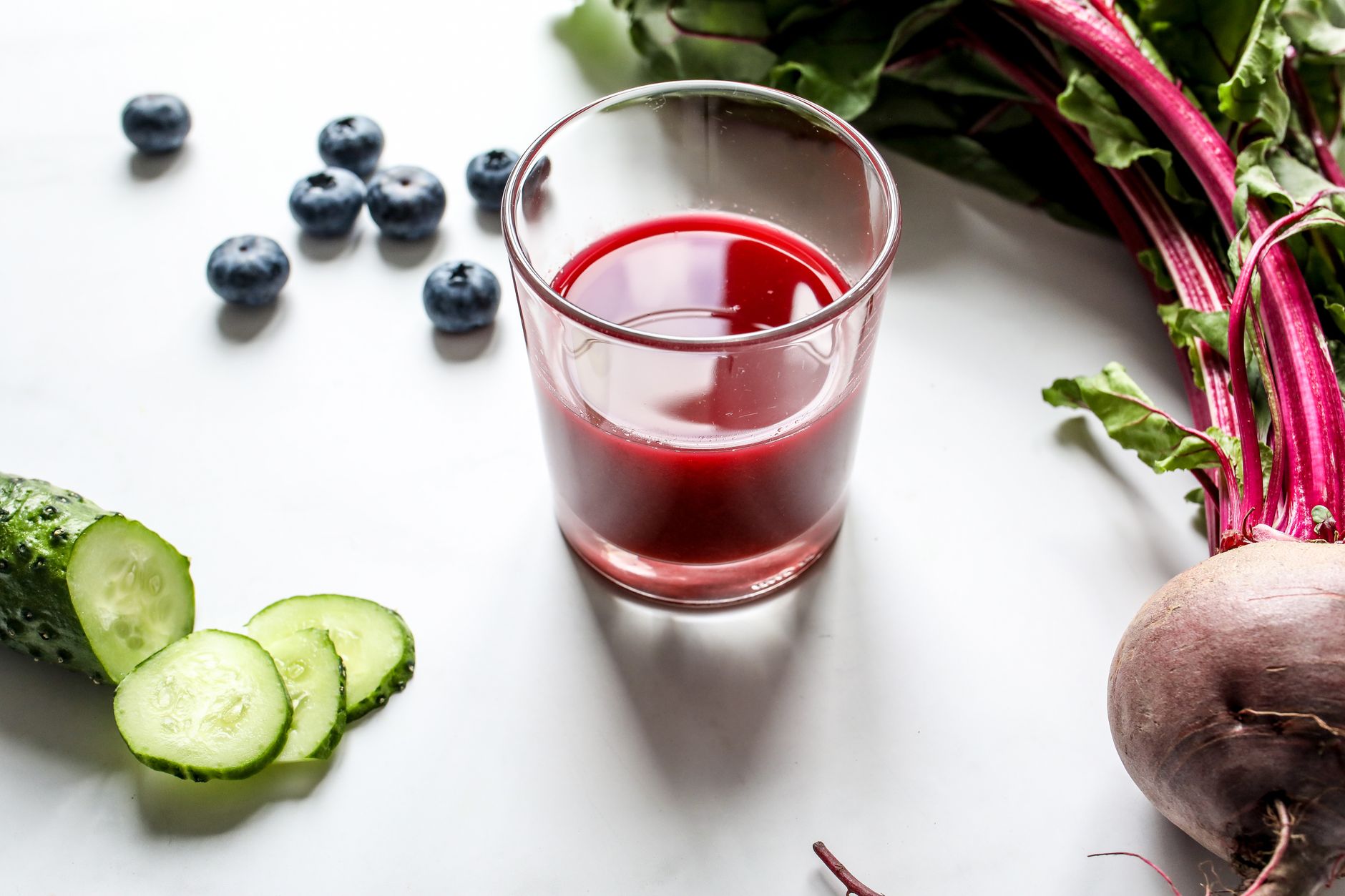
Beetroot, often simply known as beet, is a vibrant root vegetable that has gained popularity among health enthusiasts and food lovers alike. Its rich color and earthy flavor add not only beauty but also nutritional value to various dishes. For men, beetroot offers a variety of potential health benefits, ranging from improved athletic performance to better heart health.
This article delves into what beetroot does for men, exploring its nutritional content, health benefits, culinary uses, and practical tips on how to incorporate it into everyday meals. Whether you’re looking to boost your diet or simply enjoy delicious recipes, understanding beetroot is a great start.
What Does Beet Root Do for Men?
Beetroot is beneficial for men due to its high levels of essential nutrients, antioxidants, and nitrates. These components can enhance physical performance, improve cardiovascular health, and provide support for overall wellness. Regular consumption of beetroot can help men maintain optimal health, improve energy levels, and support muscle recovery after workouts.
Nutritional Profile of Beetroot
Before diving into the benefits, it’s important to understand the nutritional content of beetroot. One cup (about 136 grams) of cooked beetroot provides:
- Calories: 58
- Protein: 2.2 grams
- Fat: 0.2 grams
- Carbohydrates: 13 grams
- Fiber: 3.8 grams
- Sugar: 9 grams
- Vitamin C: 6.7 mg (11% DV)
- Folate: 148 mcg (37% DV)
- Potassium: 442 mg (13% DV)
- Magnesium: 23 mg (6% DV)
As you can see, beetroot is low in calories but packed with vital nutrients that contribute to overall health.
Health Benefits of Beetroot for Men
1. Improved Athletic Performance
One of the standout benefits of beetroot is its potential to enhance athletic performance. The nitrates found in beetroot transform into nitric oxide in the body. This compound helps widen blood vessels, promoting better blood flow and oxygen delivery to muscles during exercise. Studies suggest that consuming beetroot juice can improve stamina and endurance, making it a favorite among athletes.
2. Heart Health Support
Cardiovascular health is crucial, especially for men. Beetroot helps lower blood pressure, which is beneficial for heart health. The nitrates in beetroot can lead to reduced arterial stiffness and improved blood flow, both of which lower the risk of heart disease. Regular consumption of beetroot may be a simple way to support a healthy heart.
3. Anti-inflammatory Properties
Beetroot contains betalains, compounds that possess anti-inflammatory and antioxidant properties. For men, this can mean reduced risk of chronic diseases such as heart disease and type 2 diabetes. The antioxidants in beetroot help combat oxidative stress in the body, promoting overall well-being.
4. Enhances Digestive Health
Rich in fiber, beetroot aids in digestion and helps maintain gut health. A diet high in fiber is essential for preventing constipation and promoting a healthy digestive tract. Additionally, the magnesium in beetroot can help soothe the digestive system.
5. Cognitive Function Improvement
Beetroot might support cognitive health by enhancing blood flow to the brain. The increase in nitric oxide production can help improve brain function, which is particularly vital as men age. Some studies indicate a potential link between beetroot consumption and reduced risks of cognitive decline.
6. Supports Weight Management
The low-calorie count and high fiber content make beetroot an excellent addition to a weight management plan. Foods high in fiber promote satiety, helping men feel full longer and reducing the likelihood of overeating. Incorporating beetroot into meals provides flavor without extra calories.
Culinary Uses of Beetroot
Beetroot is incredibly versatile in the kitchen, allowing you to experiment with a variety of flavors and textures. Here are some common ways to include beetroot in your diet:
1. Roasted Beetroot
Roasting beetroot enhances its natural sweetness and gives it a tender texture. To roast:
- Preheat the oven to 400°F (200°C).
- Wash and trim the beets, leaving a small portion of the stems and tails intact to prevent bleeding.
- Wrap each beet in foil and place them on a baking sheet.
- Roast for about 45-60 minutes, or until a fork easily pierces the beet.
- Let cool, then peel and slice or cube the beets for salads or side dishes.
2. Beetroot Salad
A refreshing salad can be made with roasted or raw beetroot. Combine with ingredients like arugula, goat cheese, walnuts, and a balsamic vinaigrette for a vibrant dish.
3. Beet Juice
Juicing beetroot is a popular way to enjoy its health benefits. Combine beetroot with other fruits and vegetables, such as carrots or apples, to make a nutritious juice. Simply wash and cut the beet, then run it through a juicer.
4. Beet Smoothie
Add cooked or roasted beetroot to smoothies for a nutrient boost and a colorful drink. Pair with ingredients like banana, spinach, and yogurt for a delicious combination.
5. Pickled Beets
Pickling beets can be a great way to preserve them and add tangy flavor. To pickle:
- Boil cubed beets until soft. Drain them and set aside.
- In a saucepan, heat vinegar, sugar, and spices (like cloves or mustard seeds) until dissolved.
- Pour the mixture over the cooled beets in a jar and refrigerate for several hours or overnight.
6. Beetroot Hummus
Blend cooked beetroot with chickpeas, tahini, garlic, olive oil, lemon juice, and spices to create a vibrant, nutritious hummus that’s great with pita or vegetables.
Practical Tips for Incorporating Beetroot into Your Diet
Getting the most out of beetroot is simple with a few practical tips:
1. Select Fresh Beetroots
When choosing beetroot, look for firm, unblemished ones with shiny skin and fresh greens. Smaller beets tend to be sweeter and more tender.
2. Experiment with Different Cooking Methods
Aside from boiling or roasting, try steaming, grilling, or even sautéing beetroot to explore different textures and flavors.
3. Pairing Flavors
When cooking with beetroot, consider combining it with flavors that complement its earthiness, such as citrus, nuts, or creamy cheeses.
4. Use Beet Greens
Don’t discard beet greens; they are edible and nutrient-rich. Sauté them like spinach or add them to salads for an extra dose of nutrients.
5. Meal Prepping
Cook large batches of beetroot and incorporate them into meals throughout the week. They can be added to salads, sandwiches, or used as side dishes.
Common Mistakes to Avoid with Beetroot
Here are some common pitfalls to avoid when cooking or incorporating beetroot into your meals:
1. Overcooking
Overcooking beetroot can lead to mushy, undesirable textures. Test for doneness by piercing with a knife; it should be tender but not falling apart.
2. Neglecting to Reduce Color Staining
Beetroot’s vibrant color can stain hands, cutting boards, and countertops. Use gloves when handling raw beets and clean surfaces promptly.
3. Ignoring Seasoning
Beetroot has a mild flavor. Don’t forget to season properly with salt, pepper, and herbs to enhance its taste.
Storage and Reheating Guidance
To keep beetroot fresh and flavorful, follow these storage tips:
1. Raw Beetroot Storage
Store unwashed beetroot in the refrigerator’s crisper drawer. Keep the greens attached but trimmed to prolong freshness. They should last for about two to three weeks.
2. Cooked Beetroot Storage
Cooked beetroot can be stored in an airtight container in the refrigerator for up to four days. It’s best to consume cooked beets soon after preparation for optimal freshness.
3. Freezing Beetroot
To freeze beetroot, cook and peel it first. Cut into cubes and place in freezer bags. Beetroot can last up to eight months in the freezer.
4. Reheating Cooked Beetroot
Reheat cooked beetroot by steaming or microwaving for a few moments until heated through. Avoid overcooking to retain texture and flavor.
Beetroot is not just a decorative addition to your plate; it’s a powerhouse of nutrition with numerous health benefits that can especially aid men’s wellness. By incorporating beetroot into your meals, you can enhance your diet while enjoying its unique flavor and vibrant color.
Explore related recipes and guides to make your culinary journey even more exciting. Learn about the benefits of pomegranate juice at what does pomegranate juice do for you, and discover the flavor profile of thyme at what does thyme taste like.