
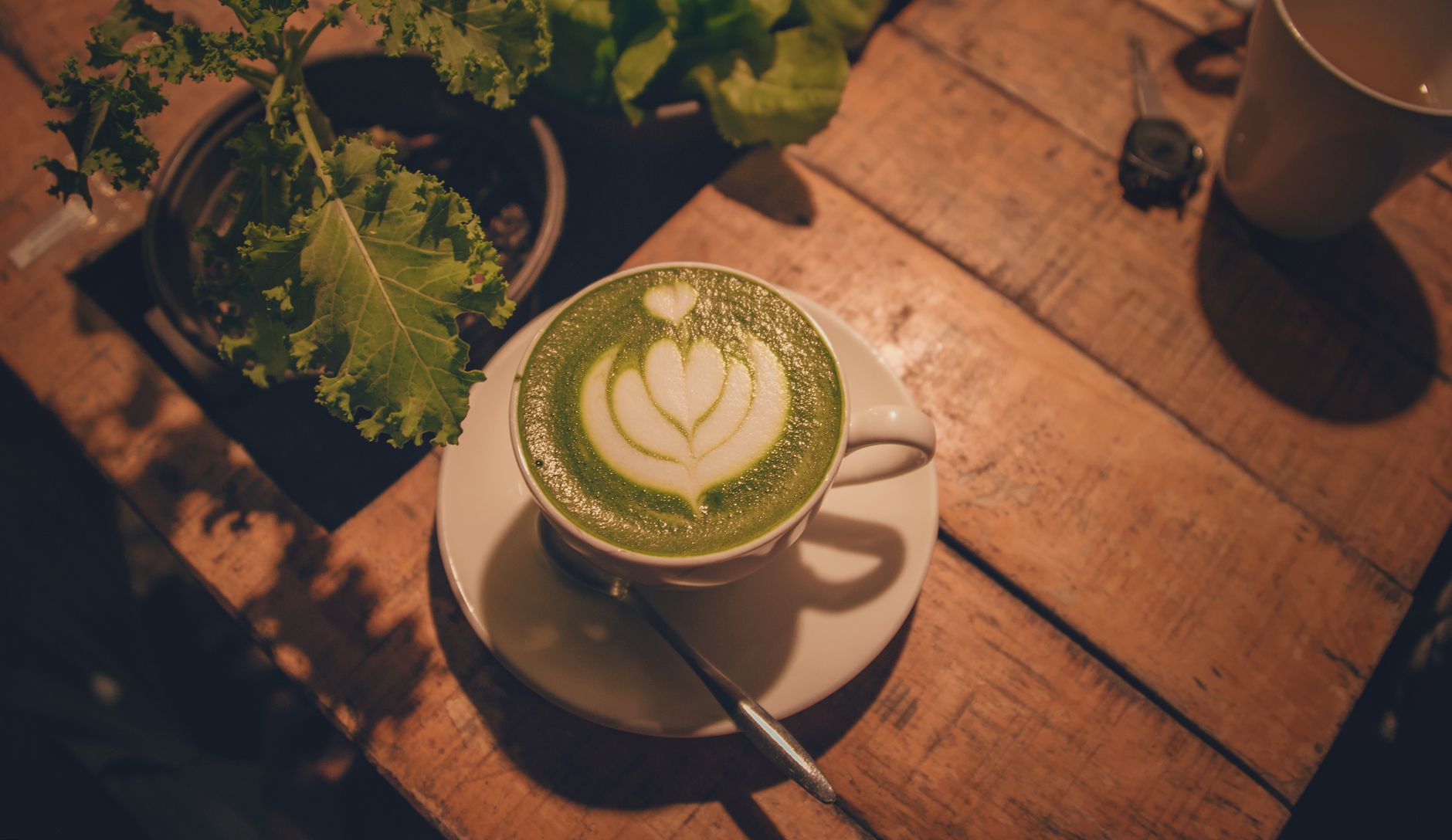
Matcha has seen a surge in popularity in recent years, particularly among health enthusiasts and those interested in intermittent fasting. With its rich flavor, vibrant green color, and potential health benefits, many wonder if incorporating matcha during fasting periods is acceptable. This article will explore whether matcha breaks a fast, how it affects your body, and offer insights into portions, nutrition, and meal ideas involving matcha.
Fasting can be both a lifestyle choice and a nutritional approach, making it important to understand the implications of consuming matcha while fasting. By, addressing its effects on metabolism and insulin sensitivity, we’ll clarify what you can enjoy without disrupting your fasting goals.
Does Matcha Break a Fast?
Matcha doesn’t break a fast in the traditional sense, particularly if you’re consuming it without any additives. Matcha is a powdered green tea rich in antioxidants and may not elicit a significant insulin response when consumed alone. However, adding milk, sugar, or sweeteners can shift it to a calorically rich beverage that would indeed break a fast.
Understanding Fasting
Fasting can be defined as the voluntary abstention from food or drink for various durations. Common fasting methods include:
- Intermittent Fasting: Cycling between periods of eating and fasting (e.g., 16/8 method).
- Extended Fast: Going without food for 24 hours or more.
- Alternate-Day Fasting: Eating normally one day and fasting the following day.
Each method has its unique purpose and benefits, including weight loss, improved metabolic health, and enhanced mental clarity. Understanding these types can help determine how and when to incorporate matcha into your diet.
Nutritional Profile of Matcha
Matcha is remarkably distinctive compared to regular green tea. When you consume matcha, you’re consuming the whole tea leaf, which allows you to benefit from a higher concentration of nutrients. Here is a breakdown of matcha’s nutritional components:
- Antioxidants: Matcha contains a higher amount of catechins, particularly epigallocatechin gallate (EGCG), known for its potential health benefits.
- Caffeine: A typical serving of matcha contains around 70 mg of caffeine, providing a gentle energy boost without the jitters associated with coffee.
- Amino Acids: L-theanine in matcha promotes relaxation while counterbalancing the jittery effects of caffeine.
- Vitamins and Minerals: Matcha is a source of vitamins A, C, E, K, and various B vitamins, along with essential minerals like potassium and iron.
Understanding this nutritional profile is critical when considering your fasting approach and what you’re aiming to achieve.
Portions: How Much Matcha Can You Consume While Fasting?
When it comes to fasting, moderation is key, even with a low-calorie beverage like matcha. A typical serving of matcha is around 1 to 2 grams (about half a teaspoon to a full teaspoon). Consuming this amount provides sufficient benefits without compromising fasting goals.
Keep in mind that if you’re looking to manage your calorie intake closely, opt for unsweetened matcha without milk or any added ingredients. Here’s a simple guideline:
- 1 teaspoon of matcha (2 grams): Approx. 20 calories.
- 2 teaspoons of matcha (4 grams): Approx. 40 calories.
These calorie counts are low enough not to interfere with most fasting protocols, as long as they remain minimally consumed.
Health Benefits of Matcha During Fasting
Incorporating matcha into your fasting regimen can provide unique benefits. Here are a few noteworthy effects:
- Enhanced Fat Oxidation: Research suggests that green tea extracts, including matcha, may enhance the body’s ability to burn fat.
- Improved Focus: The combination of caffeine and L-theanine helps maintain mental clarity and concentration, particularly beneficial during fasting periods when energy levels may dip.
- Blood Sugar Regulation: Matcha may help improve insulin sensitivity, keeping blood sugar levels stable which is important during fasting.
Common Misunderstandings About Matcha and Fasting
As matcha gains traction within the fasting community, a few misconceptions have emerged:
- Myth 1: All types of green tea can have the same benefits as matcha. While all green teas have health benefits, matcha’s unique preparation offers a higher concentration of antioxidants.
- Myth 2: Matcha should be avoided entirely during fasting. This is untrue if consumed in moderation without added ingredients.
How to Make Matcha While Fasting
Preparing matcha is straightforward and allows for a variety of ways to enjoy it without breaking a fast. Here’s a simple method to make a basic cup of matcha:
Ingredients
- 1 to 2 teaspoons of matcha powder
- 2 ounces of hot water (around 175°F or 80°C)
Essential Equipment
- Small whisk or frother
- Matcha bowl or a small mixing cup
Method
- In a bowl, sift the matcha powder to avoid clumping.
- Add hot water to the bowl.
- Whisk vigorously in a W-shaped motion until the mixture is frothy and fully combined.
- Optionally, if desired, you can adjust the water amount for a stronger or weaker flavor.
This preparation method keeps it simple while allowing you to savor the earthy notes of matcha without adding any calories that would break a fast.
Matcha Meal Ideas to Complement Your Fast
While matcha is commonly enjoyed as a beverage, its versatility allows for incorporating it into meals. Here are a few ideas:
1. Matcha Overnight Oats
Combining matcha with oatmeal can create a refreshing breakfast. For a basic recipe:
- 1/2 cup rolled oats
- 1 teaspoon matcha
- 1 cup almond milk or other milk of choice
Mix all ingredients and refrigerate overnight for a nutritious breakfast, perfect after your fasting period.
2. Matcha Smoothie
A smoothie can be a great way to include matcha while refueling after fasting. We recommend:
- 1 teaspoon matcha
- 1 banana
- 1 cup spinach
- 1/2 cup almond or coconut milk
- Optional: Protein powder or yogurt for added nutrition
Blend all ingredients until smooth for a nutrient-rich drink.
3. Matcha Energy Balls
These are perfect as a post-fast snack. Combine:
- 1 cup oats
- 1/4 cup nut butter
- 1 tablespoon honey or maple syrup
- 1 teaspoon matcha
- Mix ingredients thoroughly, form into small balls.
- Refrigerate for at least 30 minutes before consuming.
Potential Side Effects of Matcha
While matcha has numerous benefits, some individuals may experience side effects, especially when consumed in large amounts:
- Caffeine Sensitivity: Individuals sensitive to caffeine may experience anxiety or disruption in sleep patterns when consuming matcha.
- Medication Interactions: Matcha may interact with certain medications; it’s always best to consult a healthcare professional if you’re uncertain.
When to Enjoy Matcha During Intermittent Fasting
If you’re practicing intermittent fasting, consider enjoying matcha during your eating window. This allows you to maximize its benefits alongside other nutritious meals.
However, if you’re looking for a small boost during fasting hours, consuming it black (without any additives) is recommended to keep calorie intake minimal.
Conclusion
Incorporating matcha into your fasting routine can be beneficial and enjoyable—when done wisely and in moderation. It does not break a fast when consumed alone, providing a rich source of nutrients and antioxidants, aiding energy and focus.
Next time you consider a cup of matcha during your fasting phases, keep in mind the different ways to enjoy it without compromising your goals. Explore our Matcha Tiramisu Recipe or try out this Strawberry Matcha Recipe for delicious variations incorporating matcha into your meals.