
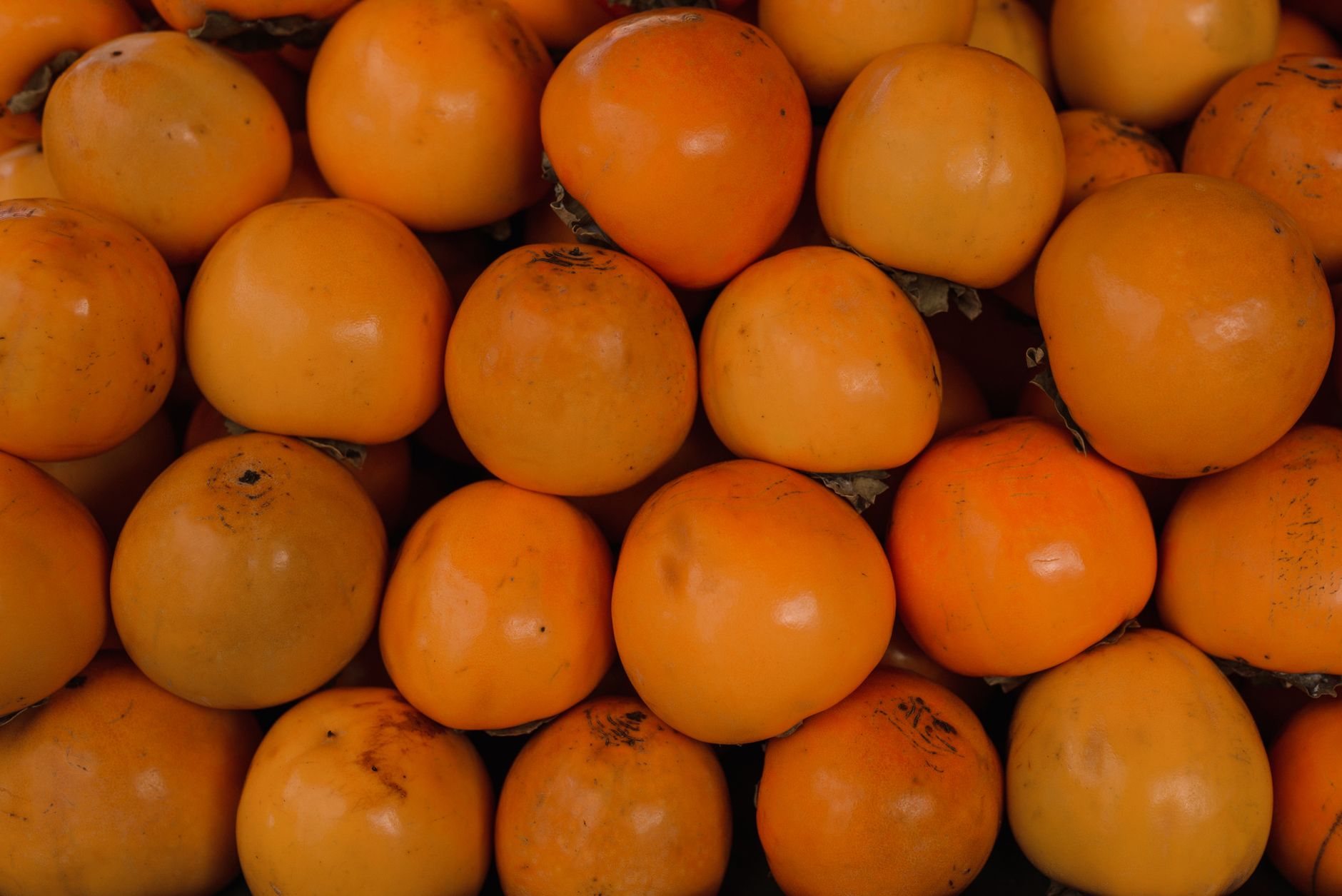
Persimmons are a unique and flavorful fruit celebrated for their sweetness and vibrant color. However, many people experience a peculiar sensation after eating them: a dry mouth or astringency that can be quite uncomfortable. This article will explore why persimmons can lead to a dry mouth, the science behind this phenomenon, and how to enjoy this delicious fruit without unpleasant side effects.
In addition, understanding the flavor and texture of persimmons can enhance your culinary experience. By delving into ways to enjoy persimmons and providing tips on selecting and preparing them, you can fully appreciate their distinct characteristics while minimizing any discomfort they may cause.
Why Does Persimmon Dry My Mouth?
The sensation of a dry mouth after consuming persimmons is primarily due to the presence of tannins in the fruit, particularly when they are not fully ripe. Tannins are polyphenolic compounds found in various plants and are known for their astringent properties. When you eat astringent foods, they can bind to proteins in your saliva and mucous membranes, leading to a prickly or dry feeling in your mouth.
In unripe persimmons, these tannin levels are much higher, which is why they are often described as tasting “chalky” and can cause significant dryness. Ripe persimmons, on the other hand, have lower tannin content and are typically sweet and smooth, making them much more enjoyable to eat. Understanding this difference is crucial to your persimmon purchasing and eating strategies.
The Science of Astringency
Astringency is a sensory phenomenon where certain foods cause a puckering sensation in the mouth. This reaction occurs due to the contraction of oral tissues, leading to a dry or rough mouthfeel. The primary culprits for this sensation are tannins, which interact with proteins in the saliva. As we chew on the food, these tannins can precipitate proteins in saliva and make them less effective at keeping the mouth lubricated.
Interestingly, astringency is not a flavor but rather a texture in our perception of food. This means that two similar fruits can have different astringent qualities based solely on their composition, ripeness, and method of preparation. Persimmons, particularly those from the genus Diospyros, are notorious for their astringent characteristics when not fully ripe.
Types of Persimmons
Persimmons can be divided into two main categories: astringent and non-astringent, which greatly influences their taste, texture, and culinary applications.
Astringent Persimmons
- Hachiya: This variety is the most common astringent persimmon. It is typically heart-shaped and must be fully ripe (soft and squishy) before consumption to avoid astringency.
- Danjou: This type is less common but has a similar flavor profile to Hachiya and requires softening before eating.
Non-Astringent Persimmons
- Fuyu: This popular variety can be eaten while still firm, making it a great snack option. It has a crisp texture and sweet flavor even when not fully ripe.
- Jiro: Similar to Fuyu, Jiro is another non-astringent variety that remains crunchy and is sweet regardless of ripeness.
Choosing the Right Persimmon
To minimize the chances of experiencing a dry mouth when eating persimmons, it is essential to know how to select ripe fruit. Here are some tips for choosing the best persimmons:
- Inspect the Skin: Choose persimmons with smooth, unblemished skin and a rich color. A translucent appearance often indicates ripeness, particularly with Hachiya.
- Check for Firmness: Astringent types should yield to gentle pressure when ripe. Non-astringents like Fuyu can be picked while still firm.
- Avoid Green Tones: If the persimmon still appears green, it is unripe and likely to produce a dry mouth sensation when consumed.
How to Prepare Persimmons
Preparation methods can also influence the astringency of persimmons. Here are some effective techniques:
- Ripening: For astringent varieties, let them ripen at room temperature on your countertop until they are soft and fragrant.
- Cold Storage: Once ripe, persimmons can be stored in the refrigerator to extend their life, but always return them to room temperature before eating to enhance flavor.
- Cooking: If you prefer cooking with persimmons, roasting or baking them can neutralize astringency. Try adding them to roasted vegetable dishes or baking into breads or muffins.
- Pureeing: Blending ripe persimmons into smoothies or soups can mask astringency while still allowing you to enjoy their sweet flavor.
Culinary Uses for Persimmons
Ripe persimmons are versatile and can be incorporated into various dishes, enhancing both flavor and nutrition. Here are some popular culinary uses:
Salads
Persimmons add a pop of sweetness and texture to salads. Combine sliced Fuyu persimmons with mixed greens, nuts, and a tangy vinaigrette for a refreshing salad.
Smoothies
Ripe persimmons can be blended into smoothies, adding natural sweetness without the need for added sugar. Combine with yogurt, banana, and a splash of honey for a nutritious breakfast or snack.
Baking
Incorporate persimmons into baked goods such as muffins, breads, or cakes. The natural sugars in ripe persimmons enhance the sweetness of your bakes while adding moisture.
Desserts
Serve sliced or cubed persimmons over yogurt, or mix them into fruit salads and desserts for a beautiful presentation and delicious flavor.
Common Mistakes and Troubleshooting
When incorporating persimmons into your meals, avoiding common pitfalls can lead to a more enjoyable experience.
Eating Unripe Persimmons
One of the most common mistakes is eating unripe persimmons, particularly the Hachiya variety. Ensure they are fully ripe; otherwise, opt for non-astringent varieties like Fuyu.
Choosing the Wrong Variety
Using an astringent persimmon in a recipe calling for a non-astringent variety can lead to unpleasant textures and flavors. When in doubt, check the ripeness and type before cooking.
Storage and Shelf Life
Persimmons can generally be stored for up to a week at room temperature if unripe. Once ripe, they should be refrigerated, where they can last for about 3 to 5 days. However, their texture and flavor improve when brought back to room temperature before eating.
Storage Tips:
- Store unripe persimmons in a paper bag to facilitate ripening.
- Keep ripe persimmons in a breathable container in the refrigerator to prevent them from getting too soft too quickly.
- Label your persimmons if you’re storing multiple varieties to avoid confusion between astringent and non-astringent types.
Conclusion
While persimmons can cause a dry mouth if eaten unripe due to their high tannin content, selecting the right variety and allowing them to ripen can lead to an enjoyable and flavorful experience. By understanding the characteristics of persimmons and experimenting with various preparations, you can appreciate the unique sweetness of this delightful fruit without the discomfort. So the next time you reach for a persimmon, choose wisely, and savor the flavor!
If you’re interested in exploring more recipes or tips related to snacks and healthy desserts, consider checking out our chia pudding recipe or our guide on substitutes for rosemary to enhance your culinary adventure.