
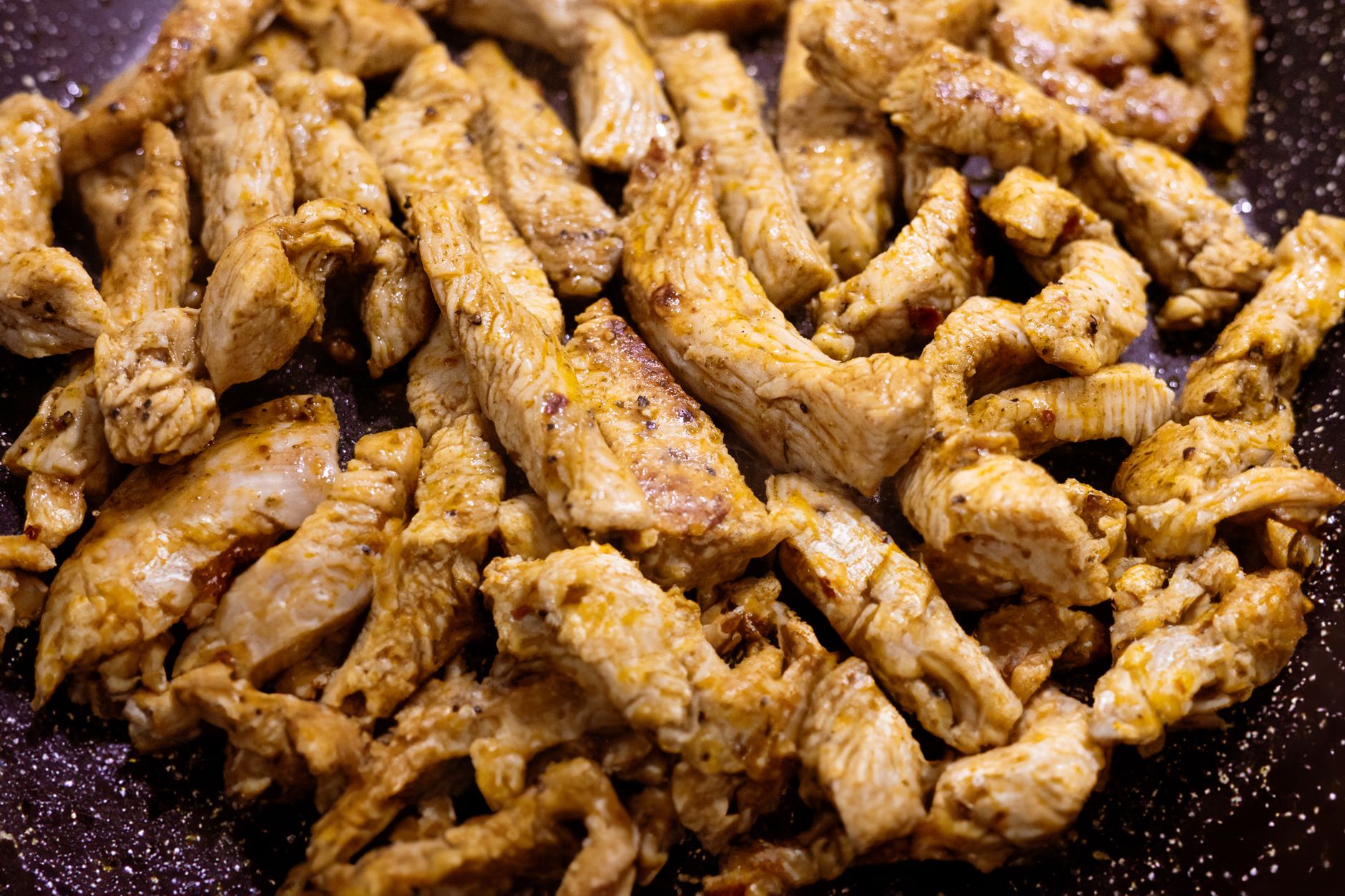
Sauteing chicken breast is a quick and efficient way to prepare a delicious, tender meal. Understanding the right temperature to use when sauteing is crucial for achieving perfectly cooked chicken every time. This guide will explore the ideal temperature, cooking times, techniques, and tips to help you achieve that juicy, flavorful chicken breast.
Whether you’re planning a weeknight dinner or prepping for a special occasion, knowing how to saute chicken breast properly can elevate your cooking. Let’s dive into the details of what temperature to use, cooking methods, and more!
What Temp to Use to Saute Chicken Breast?
The ideal temperature for sauteing chicken breast is between 350°F to 375°F (175°C to 190°C). This temperature range ensures that the chicken cooks through evenly while developing a nice golden-brown crust. It’s essential to preheat your pan to achieve the best results.
Why Temperature Matters in Sauteing Chicken
Temperature plays a significant role in cooking chicken breast for several reasons:
- Proper Cooking: Cooking at the right temperature ensures that the chicken reaches a safe internal temperature of 165°F (74°C) without becoming dry or overcooked.
- Flavor Development: Higher temperatures promote browning through the Maillard reaction, which enhances the flavor and visual appeal of the dish.
- Texture: Correct temperatures help maintain the moisture within the chicken, preventing it from becoming tough and chewy.
Tools and Ingredients Needed
Before diving into the steps of sauteing chicken breast, ensure you have the following tools and ingredients ready:
Essential Equipment
- Non-stick skillet or frying pan
- Sharp knife for trimming
- Cutting board
- Meat thermometer for checking doneness
- Spatula or tongs for flipping
Ingredients
- 2 boneless, skinless chicken breasts (about 6-8 oz each)
- Salt and pepper to taste
- 2 tablespoons olive oil or butter
- Optional herbs and spices (e.g., garlic powder, thyme, paprika)
Step-by-Step Guide to Sauteing Chicken Breast
Follow these steps to achieve a perfectly sauteed chicken breast:
- Prepare the Chicken: Begin by trimming any excess fat from the chicken breasts using a sharp knife. Pat them dry with paper towels to remove any excess moisture.
- Season: Rub the chicken breasts with salt, pepper, and any additional herbs or spices you like. This step enhances the flavor of your chicken.
- Heat the Pan: Place a non-stick skillet or frying pan over medium heat and add olive oil or butter. Allow the fat to warm until it shimmers or the butter melts completely. This usually takes about 2-3 minutes.
- Add the Chicken: Carefully place the chicken breasts in the hot pan, ensuring they’re not overcrowded. If the pan is too crowded, the chicken will steam instead of saute.
- Cook on One Side: Cook the chicken for 5-7 minutes without moving it. This allows a nice crust to form. You can gently lift a corner of the chicken to check if it’s golden brown.
- Flip and Cook: Flip the chicken breast using a spatula or tongs. Cook the other side for another 5-7 minutes. Adjust the heat as necessary to maintain a steady temperature.
- Check for Doneness: Insert a meat thermometer into the thickest part of the chicken. It should read 165°F (74°C) for it to be safely cooked through.
- Rest the Chicken: Once cooked, remove the chicken from the pan and let it rest on a cutting board for 5 minutes. This resting period allows the juices to redistribute, ensuring juicy chicken.
Common Mistakes to Avoid
To ensure success when sauteing chicken breast, be aware of these common mistakes:
- Not Preheating the Pan: A cold pan causes the chicken to stick and prevents proper browning.
- Overcrowding the Pan: Cooking too many pieces at once can reduce the temperature of the pan and steam the chicken instead of searing it.
- Not Using a Thermometer: Guessing the doneness can lead to undercooked or dry chicken. Always use a meat thermometer for accurate results.
- Skipping the Resting Time: Cutting into the chicken right after cooking can cause the juices to escape, resulting in a dry texture.
Variations and Flavor Enhancements
You can easily modify your sauteed chicken breast with various herbs and spices or sauces for added flavor.
Herb and Spice Variations
- Garlic and Lemon: Add minced garlic and lemon juice during the last few minutes of cooking for a fresh, zesty flavor.
- Italian Blend: Use a mix of dried oregano, basil, and thyme for a Mediterranean flair.
- Spicy Kick: Sprinkle red pepper flakes or cayenne pepper for some heat.
- Sweet and Smoky: Incorporate smoked paprika and a touch of honey for a sweet and smoky profile.
Serving Suggestions
Sauteed chicken breast can be paired with various sides to create a complete meal. Here are some serving ideas:
- Serve over a fresh salad with mixed greens, cherry tomatoes, and avocado.
- Pair with sautéed vegetables like bell peppers, zucchini, or asparagus.
- Serve alongside rice, quinoa, or couscous for a heartier meal.
- Top with a creamy sauce, like a mushroom cream sauce or a lemon butter sauce.
Storage and Reheating Tips
If you have leftover sauteed chicken breast, proper storage is essential to maintain its quality:
- Storage: Place cooled, leftover chicken in an airtight container. It can be refrigerated for up to 3-4 days.
- Freezing: For longer storage, freeze the chicken in a freezer-safe container or bag for up to 3 months. Thaw in the refrigerator before reheating.
- Reheating: Reheat in the microwave, oven, or on the stovetop over low heat until warmed through. Add a splash of chicken broth if reheating on the stovetop to prevent dryness.
Tips for Perfectly Sauteed Chicken Breast
Here are some additional tips to enhance your sauteing skills:
- Use High-Quality Chicken: Fresh, high-quality chicken breasts will yield better flavor and texture.
- Experiment with Marinades: Marinating the chicken for a few hours or overnight can infuse it with additional flavor.
- Monitor Heat Carefully: Adjust the heat during cooking to prevent burning or sticking, and remain watchful as chicken cooks.
- Use a Cast Iron Skillet: If available, a cast iron skillet can help achieve superior heat retention and browning.
Conclusion
Understanding what temperature to use to saute chicken breast is key in achieving a well-cooked, flavorful dish. By following our step-by-step guide, practicing the techniques outlined, and avoiding common mistakes, you’ll be able to prepare delicious chicken breasts with confidence. Remember, practice makes perfect!
For additional cooking tips and chicken recipes, you can explore our sous vide chicken breast recipe or try the Longhorn Parmesan Crusted Chicken Recipe for a delightful twist on chicken. Happy cooking!